

An email lands in your inbox from a web design client you worked with six months ago. “Hey,” it reads, “we loved the new site. We’re hearing a lot about this SEO thing. Can you just… do some SEO for us?”
For many agencies, this is where the panic sets in. You’re not structured for a full monthly retainer, you don’t have an in-house SEO specialist, and the idea of quoting a one-time project feels like guessing the number of jellybeans in a jar. Get it wrong, and you either lose the job or lose your shirt.
So, you politely decline or send a vague, overpriced quote, hoping they’ll go away.
This scenario plays out every day, leaving a massive revenue opportunity on the table. While the industry worships the monthly retainer, one-off SEO projects—like technical audits, site migrations, and keyword research packages—are a powerful, low-risk way to add a new service, solve urgent client problems, and build the trust that leads to long-term partnerships.
The secret isn’t becoming a world-class SEO expert overnight. It’s learning how to scope the work effectively and leaning on a fulfillment partner to handle the execution.
The Hidden Market for One-Off SEO
The demand for project-based SEO is bigger than you think, driven by a fundamental reality of the internet: most websites are not technically sound. Research from Ahrefs reveals a staggering 90.63% of all pages get zero traffic from Google. The cause often isn’t bad content, but technical roadblocks that a one-time project can fix.
Think about it from the client’s perspective:
-
The Website Redesign: A client is investing five or six figures in a new website. They need an expert to manage the SEO migration to ensure they don’t lose all their existing traffic. This is a critical, one-time need.
-
The Sudden Traffic Drop: A lead source suddenly dries up. The client is in crisis mode and needs a diagnostic—a technical SEO audit—to figure out what went wrong and how to fix it, fast.
-
The New Marketing Push: A company is launching a new product line and needs to understand the search landscape. A keyword research and content strategy project is the perfect fit.
These aren’t retainer problems; they’re project-based problems that many agencies still avoid due to three common fears:
-
Fear of Scope Creep: The ‘can you just check one more thing?’ that turns a profitable 10-hour project into a break-even 30-hour nightmare.
-
Fear of the Unknown: Technical SEO feels like a black box. How can you price something you don’t fully understand?
-
Fear of Execution: You don’t have the in-house staff to perform a complex audit or manage a risky site migration.
The good news? A structured scoping process and a reliable partner can neutralize every one of these fears.
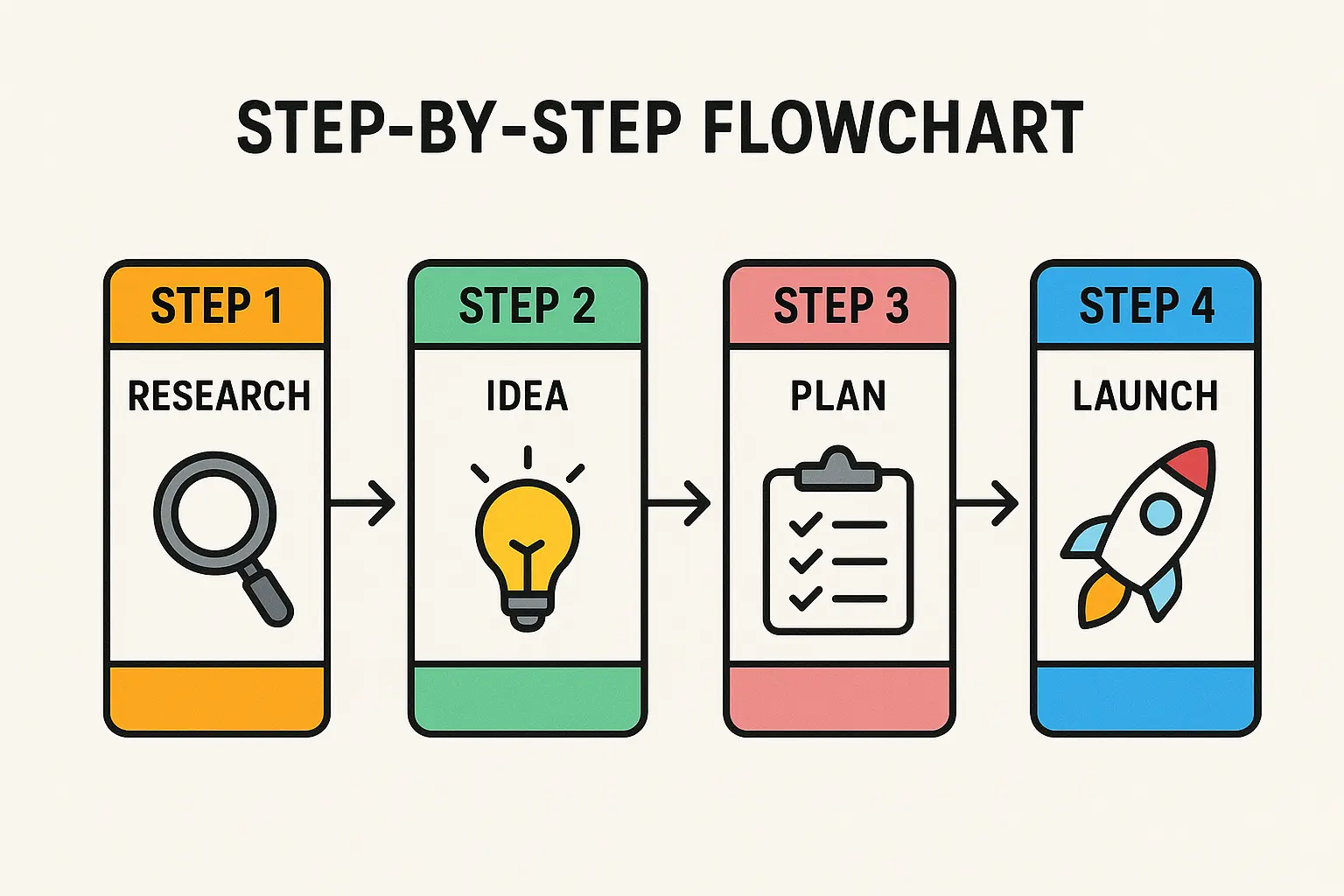
The Project Scoping Framework: From Chaos to Clarity
Scoping isn’t about having all the answers. It’s about asking the right questions to define the boundaries of the project. A clear scope allows you to get a fixed quote from a fulfillment partner, add your margin, and present a confident, professional proposal to your client.
Step 1: The Discovery Call (Your Information-Gathering Mission)
Before you can scope anything, you need context. Your goal on the discovery call is to listen and learn. Avoid talking about solutions for now.
Key Questions to Ask Your Client:
-
The Goal: What business outcome are you hoping to achieve with this project? (e.g., ‘recover lost traffic,’ ‘ensure a safe site launch,’ ‘rank for our new service’).
-
The History: Has anyone else worked on your SEO before? What did they do? Do you have access to Google Analytics and Google Search Console?
-
The Platform: What CMS is the website built on (WordPress, Shopify, Webflow, etc.)? Are there any custom-coded sections?
-
The Scale: Roughly how many pages are on the site? (You can verify this later, but a ballpark is helpful).
-
The Timeline: Do you have a specific deadline or event this is tied to, like a marketing campaign or product launch?
Step 2: The Pre-Audit (A Quick Look Under the Hood)
Armed with discovery info, it’s time for a quick, high-level check. This isn’t the full project; it’s a 30-minute investigation to spot obvious icebergs.
You or your partner can check for:
-
Indexing Issues: Do a
site:domain.comsearch on Google. Does the number of results seem roughly correct? Are weird pages showing up? -
Site Speed: Use Google’s PageSpeed Insights to get a quick read on performance.
-
Obvious Red Flags: Click around the site. Are there broken images? Does the navigation feel clunky? Is it secure (HTTPS)?
This step helps you gauge complexity. A 50-page brochure site is very different from a 50,000-page e-commerce store with complex faceted navigation.

Step 3: Aligning with Your Fulfillment Partner
This is the most critical step. You don’t need to be the expert—you just need to be the bridge between the client and the expert.
Package up your discovery notes and pre-audit findings for your fulfillment partner. With their deep technical expertise, they will ask clarifying questions and, most importantly, provide you with a clear statement of work (SOW) and a fixed wholesale price for the execution.
This is the foundation of a profitable project. By leveraging white-label SEO services, you get a concrete plan and a fixed cost. This gives you a clear understanding of what’s included, what isn’t, and what the timeline will be. The guesswork is gone.
Pricing Models That Protect Your Profit Margins
With your partner’s fixed cost in hand, you can now price the project for your client. The most common mistake agencies make is simply adding a percentage markup. A better approach is to price based on the value you’re delivering.
Fixed-Fee Pricing
This is the most popular and client-friendly model. You present a single, all-inclusive price for the project as defined in the SOW.
- Pros: Easy for the client to understand and approve. Predictable revenue for you.
- Cons: Carries risk if the scope isn’t tightly defined. (This is why Step 3 is so important!)
Example: Your partner quotes you $1,500 for a comprehensive technical audit and implementation plan. Knowing this will solve a traffic issue costing the client thousands per month, you price the project at $3,500. Your margin covers your project management, client communication, and strategic oversight.
Tiered Packages
Offer clients a few options to choose from. Harnessing the psychology of choice often leads to higher close rates and average project values.
- Pros: Empowers the client to choose their level of investment. Can increase perceived value.
- Cons: Can sometimes complicate the decision-making process if not presented clearly.
Example:
- Tier 1: Diagnostic Audit ($2,000): A detailed report identifying all technical issues.
- Tier 2: Audit + Strategy ($3,500): The report plus a prioritized roadmap and a strategy call to review the findings.
- Tier 3: Audit + Implementation ($6,000): Everything in Tier 2, plus coordinating the fixes with their development team.
Selling the Project: Frame the Value, Not the Tasks
When you present your proposal, don’t sell a ‘technical audit.’ No one wakes up excited to buy a technical audit. Sell the outcome.
-
Instead of: ‘We will perform a 200-point technical SEO audit.’
-
Try: ‘We will conduct a full health check on your website’s foundation to uncover the hidden issues that are stopping Google from sending you qualified customers.’
-
Instead of: ‘We will manage your 301 redirects during the site migration.’
-
Try: ‘We will create a bulletproof plan to ensure your new website launch is a success, protecting the valuable search rankings you’ve already earned.’ (For instance, Backlinko data shows that fixing technical issues like broken links can significantly improve rankings).
By completing a successful one-off project, you do more than just generate revenue. You demonstrate your value, solve a painful problem, and build immense trust. You turn a skeptical prospect into a happy client who now sees you as their go-to expert—the perfect candidate for a monthly retainer.

FAQ: Your Project-Based SEO Questions Answered
What if the client wants more after the project is done?
This is the ideal outcome! A well-executed comprehensive SEO audit naturally creates a list of next steps, like content creation or link building. This creates the perfect opportunity to present a monthly retainer proposal for executing that ongoing strategy.
How do I handle implementation? Do I need a developer?
It depends. Many audit findings can be fixed by someone with admin access to the CMS. For more complex code changes, the client will need a developer. Your fulfillment partner should provide clear, actionable instructions that you can pass directly to the client’s dev team, positioning you as the helpful project manager.
Can I offer other projects besides audits and migrations?
Absolutely. One-off projects are a great way to meet various client needs. You could offer:
- Keyword Research & Content Mapping Packages
- Local SEO Foundation Setup (Google Business Profile optimization, citation building)
- Backlink Analysis & Disavow Projects
- Competitor Analysis Reports
Working with a flexible agency SEO partner lets you tap into a wide range of specialized services without having to build the capabilities yourself.
Your Next Revenue Stream is One Project Away
Shifting your mindset from ‘retainers only’ to ‘projects first’ can unlock a powerful new growth channel for your agency. One-off projects serve as a paid discovery process, letting you prove your worth on a small scale before asking for a long-term commitment.
By mastering a simple scoping framework and leveraging the expertise of a white-label fulfillment partner, you can confidently sell and deliver high-value SEO projects—without the risk, overhead, or guesswork. The next time a client asks if you can ‘do some SEO,’ you’ll be ready with a confident ‘yes.’