
You’ve been there. You join a “discovery call” feeling prepared, only to spend the first 20 minutes re-explaining what your company does. The prospect asks questions answered on your homepage, raises objections based on a misunderstanding of your service, and has zero context for why they even booked the meeting.
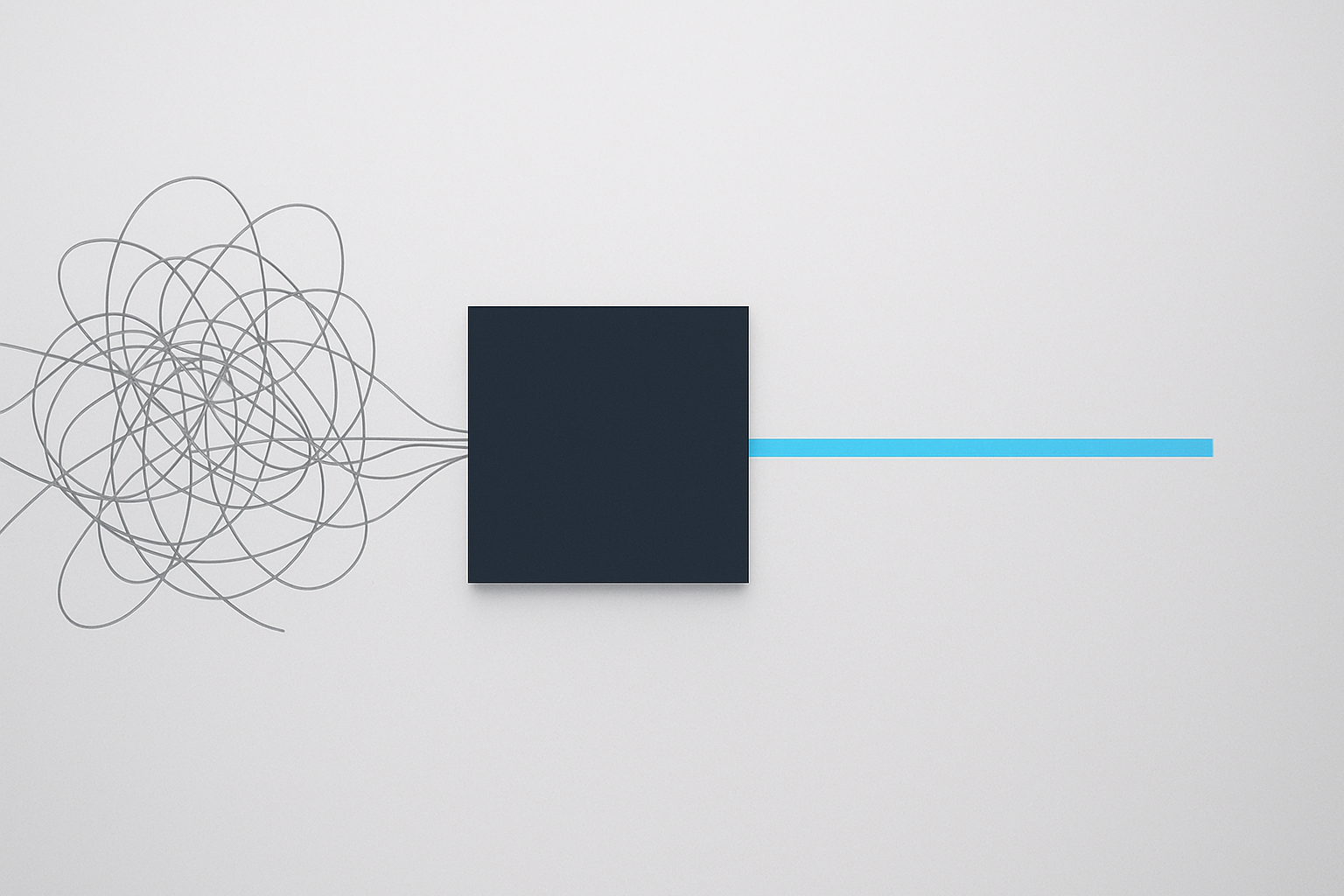
You’re not having a sales conversation—you’re performing damage control. That’s the “noise”: the administrative drag, repetitive explanations, and misalignment that grinds sales cycles to a halt.
What if your most effective salesperson wasn’t a person at all? What if it was an automated sequence that worked 24/7 to filter out that noise, ensuring every conversation you have starts with a clear, powerful “signal”?
The Unseen Cost of a Noisy Sales Process
The focus in sales is often on what happens during the call. But the most critical work happens before anyone clicks “Join Meeting.” Without a proper framework, your sales team is fighting an uphill battle from the start.
The data paints a stark picture. A study by HubSpot revealed that sales reps spend just 28% of their week actually selling. The other 72% is consumed by administrative tasks, data entry, and prospecting—much of which is simply trying to get everyone on the same page. This is the noise, and it’s incredibly expensive.
This is where pre-framing comes in.
Think of it like a movie trailer. A good trailer doesn’t just show the release date; it sets the tone, introduces the key characters, and presents a central conflict. It frames your expectations so that when you sit down in the theater, you’re ready for the story.
A programmatic pre-call sequence does the same for your sales calls. It’s an automated series of communications designed to educate, align, and build trust before your sales rep ever says hello.
By nurturing leads effectively before a call, you aren’t just warming them up; you’re fundamentally changing the nature of the conversation. According to Forrester, nurtured leads make 47% larger purchases than non-nurtured ones. They aren’t just buying a product; they’re buying into a solution they already understand and trust. The signal has been received, loud and clear.
Designing Your Signal: The Anatomy of a High-Impact Pre-Call Sequence
Creating a sequence that cuts through the noise isn’t about spamming a prospect’s inbox; it’s about delivering the right message at the right time. Each step should build on the last to answer questions, handle objections, and establish your authority.
This approach is about clarity and structure—the same principles that drive success in modern digital ecosystems. To be understood by a customer, you have to send clear signals. To be understood by an AI, you need to achieve AI Visibility by sending clear signals. The principle is the same: clarity wins.
Here’s a simple yet powerful four-step framework for your pre-call sequence.
Step 1: The Confirmation (The Anchor)
When: Immediately after the meeting is booked.
This first email is more than a calendar invite; it’s your first opportunity to frame the conversation.
- Reconfirm the Value: Remind them why they booked the call. Instead of “Your meeting is confirmed,” try “Looking forward to our chat about [solving their specific pain point].”
- Set a Clear Agenda: Briefly outline what you’ll cover. For example: “We’ll spend our 30 minutes discussing your current process, exploring how [Your Solution] can help, and answering any questions you have.”
- Plant a Seed: Ask them to think about one critical question before the call. This primes them to arrive with a problem-solving mindset.
Step 2: The Education (The “Aha Moment”)
When: 2-3 days before the meeting.
Your prospect has questions. Why not answer the most common ones before they even ask? This is where you establish your expertise and show you understand their world.
- Share a High-Value Resource: Send a link to a short video, case study, or blog post that directly addresses a common pain point.
- Tell a Customer Story: Briefly share an anecdote about a similar client and the success they achieved.
- Bust a Myth: Address a common misconception about your industry or solution. This positions you as a trusted advisor.
Step 3: The Social Proof (The Trust Builder)
When: 1 day before the meeting.
People trust other people. Research shows that 60% of customers say “no” four times before saying “yes”, and a key part of overcoming that resistance is building trust. This email outsources the job to your happiest customers.
- Feature a Powerful Testimonial: Use a direct quote from a customer that highlights a key benefit.
- Link to Reviews: Share links to your G2, Capterra, or Google reviews.
- Showcase a Logo Bar: A simple graphic of well-known clients can build instant credibility.
Step 4: The Final Reminder (The Logistics)
When: 1-2 hours before the meeting.
This is a simple logistical touchpoint to make sure they show up prepared and on time.
- Reconfirm Time & Link: Make the meeting link impossible to miss.
- Restate the Goal: Include a quick, one-sentence reminder of the call’s purpose. “Excited to connect in an hour to discuss how we can help you achieve [desired outcome].”
By the time the call begins, your prospect is no longer a stranger. They are educated, aligned, and primed for a productive conversation. You’ve replaced noise with a clear, resonant signal.
From Random Conversations to Predictable Revenue
A programmatic pre-framing sequence transforms your sales process from a series of disjointed, unpredictable events into a well-oiled machine. Companies that excel at this kind of lead nurturing generate 50% more sales-ready leads at a 33% lower cost.
This isn’t just about efficiency; it’s about effectiveness. A great sequence, much like a great semantic and entity-based strategy, is designed for one thing: to create understanding. When a prospect understands the value you provide before the call even starts, you don’t have to sell to them. You simply help them buy.
You’ll shorten the sales cycle, increase deal size, and empower your sales team to do what they do best: solve complex problems for well-informed customers.
Frequently Asked Questions (FAQ)
Q1: How many emails should be in a pre-call sequence?
For a standard sequence, 3-4 emails are ideal. This provides enough touchpoints to educate and build trust without overwhelming the prospect. The goal is value, not volume. Each email should serve a distinct purpose: confirmation, education, social proof, and logistics.
Q2: Won’t this feel robotic and impersonal?
That’s a valid concern, and it can happen if the sequence is poorly executed. The key is personalization. Use tokens to include the prospect’s name, company, and the specific pain point they mentioned when booking. Write the copy in a human, conversational tone, like a knowledgeable friend, not a marketing bot. The goal is to make them feel prepared, not processed.
Q3: What tools can I use to build these sequences?
Most modern sales and marketing platforms have this functionality. Look for Sales Engagement Platforms (like Outreach or Salesloft), Marketing Automation Software (like HubSpot or Marketo), or even CRMs with workflow automation. The specific tool is less important than the strategy behind the sequence.
Q4: How do I know if my sequence is working?
Track a few key metrics. The most important are:
- Meeting Show-Up Rate: Are more people who book a call actually attending?
- Call Quality: Ask your sales reps for qualitative feedback. Are prospects more educated and engaged?
- Sales Cycle Length: Over time, are you seeing a reduction in the time it takes to close a deal from the first call?
- Open & Click-Through Rates: These email metrics can tell you if your subject lines and content are resonating.