
Your top sales rep just posted an off-the-cuff comment about a competitor that made your legal team’s coffee go cold. Meanwhile, another team member is using a three-year-old product slide deck as their profile banner. And the rest of your team? They’re posting nothing at all, terrified of saying the wrong thing.
If this sounds familiar, you’re not alone. Most enterprise sales teams operate on LinkedIn in a state of well-intentioned chaos.
This isn’t just a branding headache; it’s a massive missed opportunity. Research shows that 76% of buyers prefer to work with providers recommended by their professional network. When your team’s presence is inconsistent or inactive, you’re leaving that trust—and revenue—on the table.
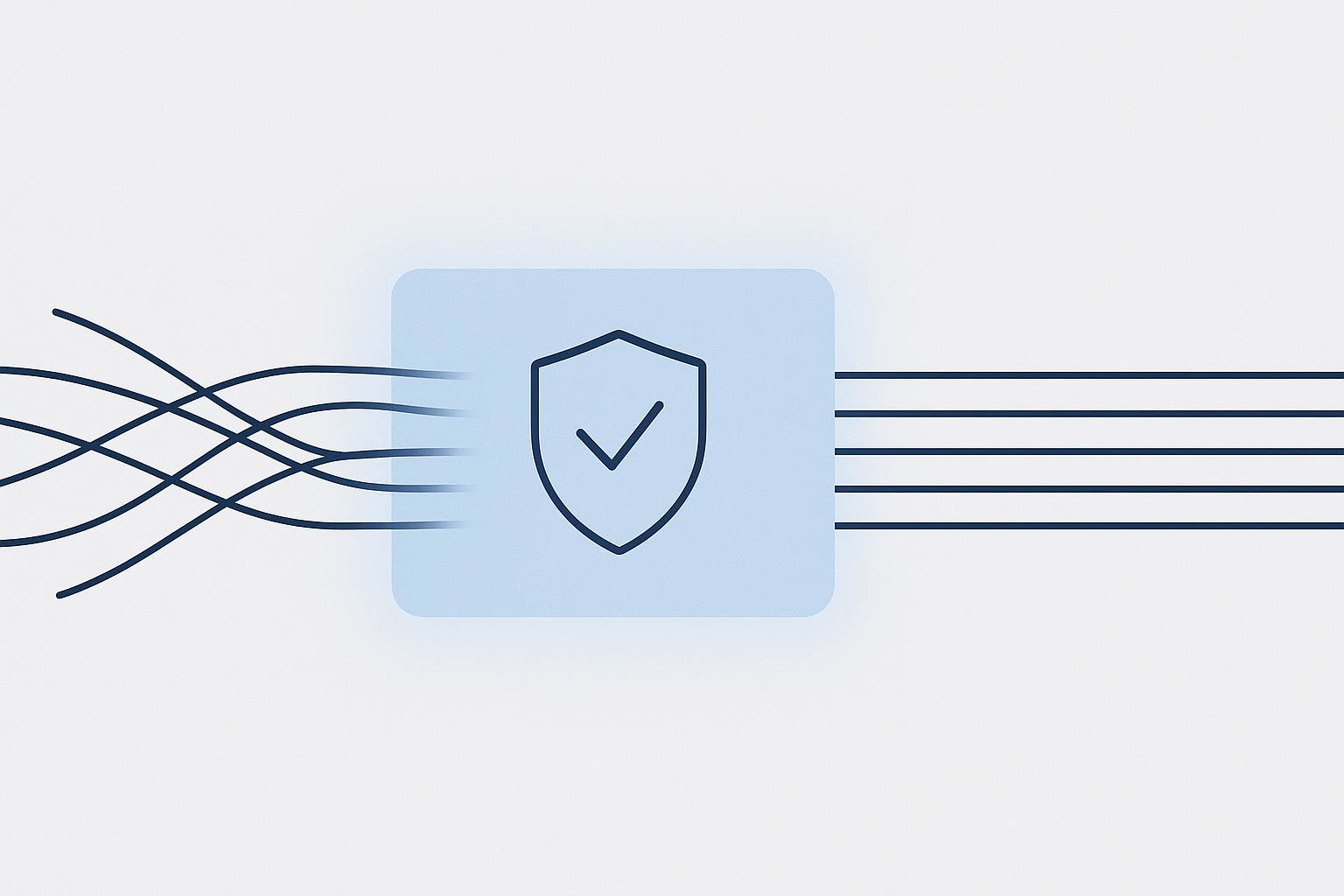
The solution isn’t to lock down profiles or ban activity. It’s to create a governance policy that provides freedom within a framework—a set of clear, simple guidelines that empowers your team to engage confidently and effectively.
What is LinkedIn Governance, Really?
LinkedIn governance isn’t about micromanaging every comment and connection request. It’s about establishing clear “rules of the road” for your sales team’s professional networking activities.
Think of it as a playbook, not a rulebook. A good policy accomplishes four key things:
- Mitigates Risk: Protects the company from legal, compliance, and PR issues.
- Ensures Consistency: Aligns every team member’s profile and messaging with the company brand.
- Empowers Your Team: Replaces fear and uncertainty with the confidence to build relationships and share expertise.
- Builds Authority: Creates a unified front of credible experts, strengthening your brand’s voice in the market.
And this matters more than ever: a staggering 90% of B2B decision-makers say they don’t respond to cold outreach. Your team’s ability to build warm relationships through credible, consistent engagement on platforms like LinkedIn has become the new benchmark for success.
The Three Pillars of an Effective LinkedIn Policy
A robust LinkedIn governance policy doesn’t need to be a 100-page document. It can be built around three core pillars that are easy to understand and implement.
Pillar 1: Rules of Engagement
This pillar defines how your team interacts with the wider LinkedIn ecosystem. It’s about setting a professional tone and providing guardrails for conversation.
- Tone of Voice: Should your team be helpful and professional, or witty and formal? Define 3-5 adjectives that describe your company’s communication style.
- Connecting with Prospects: Is it okay to send a connection request immediately after a discovery call? What should the message say? Provide simple templates.
- Engaging with Competitors: Outline a clear “do’s and don’ts” list. For example, “Do acknowledge their valid points in a discussion,” but “Don’t engage in public arguments or correct their product claims.”
- Handling Negative Feedback: What’s the protocol if a prospect or customer posts a negative comment? Instruct your team to acknowledge the comment publicly and take the conversation offline, looping in the appropriate internal contact.
Pillar 2: Content & Brand Guidelines
Remember, today’s B2B buyers are 57% of the way through the buying process before they ever speak to a sales representative. Your team’s LinkedIn profiles and the content they share are often your company’s first impression.
- Profile Optimization: Provide clear guidelines for:
- Headshots: Professional, consistent background, and high-resolution.
- Headlines: A standard format, such as [Job Title] at [Company] | Helping [ICP] achieve [Result].
- About Section: Include a company-approved paragraph describing what the business does.
- Content Mix: Encourage a healthy mix of curated third-party content and original thought leadership. A good starting ratio is 60% industry insights, 30% company content, and 10% personal/professional development.
- Approved Messaging: Create a central repository of approved product descriptions, case studies, and brand taglines that the team can easily pull from. This ensures the whole team is working from the most current information.
- Disclosures: If team members are sharing a link from an official employee advocacy platform, they may need to include a simple disclaimer like #companyambassador.
Pillar 3: Data Privacy & Compliance
This is the pillar that protects both your company and your customers. With regulations like GDPR in Europe and CCPA in California, how your team handles data—even on LinkedIn—matters.
- Direct Messaging (DMs): Instruct your team to never add a prospect to an email marketing list without their explicit consent. A LinkedIn connection is not consent.
- Data Scraping: Strictly prohibit the use of unauthorized third-party tools to scrape profile data from LinkedIn. This violates LinkedIn’s terms of service and can create serious data privacy issues.
- Confidential Information: Clearly define what constitutes confidential information that should never be shared publicly. This includes unannounced product features, internal financial data, client names (without permission), and strategic plans.
Implementing these compliance measures doesn’t slow down sales; it enables them to scale safely. With 45% of social sellers reporting more sales opportunities, a compliant framework is the only way to make that growth sustainable.
A Practical LinkedIn Governance Checklist for Your Team
Use this checklist as a starting point to build or audit your own policy.
Profile Consistency
- Standardized guidelines for professional headshots are available.
- Approved job titles and headline formats are documented.
- A company-approved “About Us” boilerplate is provided to all team members.
- Links in the “Featured” section point to current, on-brand content.
Content & Engagement
- A clear tone of voice is defined (e.g., “helpful, expert, approachable”).
- Rules exist for engaging with competitors, clients, and critics.
- A library of pre-approved content (blog posts, case studies) is accessible.
- Guidelines are in place for creating and sharing original thought leadership.
Compliance & Security
- A do-not-discuss list (e.g., unannounced products, internal metrics) is established.
- A protocol is in place for handling a PR crisis or widespread negative comments.
- GDPR/CCPA guidelines for direct messaging and data handling are clearly explained.
- The team has been trained on identifying and avoiding phishing or social engineering attempts.
Building Authority at Scale: From Policy to Performance
A well-designed LinkedIn governance policy does more than prevent mistakes—it aligns your entire sales team into a cohesive force for brand building. When dozens or hundreds of your employees share consistent messages and present a unified professional image, you’re not just selling; you’re shaping your market’s perception of your brand.
This unified presence is a core component of a modern AI Visibility strategy, ensuring your brand’s expertise is understood by both customers and the AI systems they increasingly use for discovery. A consistent human narrative helps create a clear, machine-readable identity for your brand.
Frequently Asked Questions (FAQ)
Should we provide our sales team with pre-written content?
A mix is best. A library of approved content is fantastic for ensuring brand consistency and helping new hires get started. However, you should also train and encourage your team to add their own authentic insights. The goal is to sound like a team of experts, not a team of bots.
How do we enforce the policy without becoming the “LinkedIn police”?
Frame the policy as a tool for empowerment, not enforcement. Launch it with a training session that focuses on the “why” behind the guidelines. Celebrate team members who are doing a great job, and use mistakes as gentle, private coaching opportunities.
What’s the biggest mistake companies make with LinkedIn governance?
The biggest mistake is having no policy at all, which leads to brand chaos and risk. The second biggest is creating a policy so restrictive that it stifles all activity. The goal is to find the balance: freedom within a clear and helpful framework.
How does this affect our team’s personal brands?
A good policy should enhance personal brands, not erase them. By providing a strong company platform and clear “rules of the road,” you give your team a credible foundation upon which to build their own professional authority. Their success becomes the company’s success, and vice-versa.
Your Next Step: From Rules to Results
Ultimately, a LinkedIn governance policy is a living document—an asset for growth, not a handbook of restrictions. It transforms your team from a group of individual sellers into a unified engine for building trust and authority at scale.
The first step is often the simplest: get a clear picture of where you stand today. As you begin building your policy, understanding your team’s current digital footprint is crucial. Expert analyses like white-label AI search audits can reveal how your brand’s collective voice is currently perceived online, giving you the data you need to build a smarter strategy.
Start the conversation with your sales and marketing leaders. Use this guide to identify your biggest gaps and opportunities, and begin building the framework that will protect your brand and empower your team to win.