

Have you ever spent weeks crafting the perfect, data-backed, 3,000-word ultimate guide for a client, only to see a Reddit thread from a user named ‘DataNerd_87’ show up right beside it in the search results?
If so, you’re not alone. It’s a frustrating experience that leaves many agency owners and SEO strategists scratching their heads. You did everything right—keyword research, on-page optimization, backlink building—yet a seemingly simple forum post is getting top-tier visibility.
This isn’t a glitch in the matrix. It’s a deliberate, significant shift in how Google understands and values content. Welcome to the era of the ‘Perspectives’ filter, where who is speaking is becoming as important as where they’re speaking from. For agencies, this isn’t a threat to traditional SEO; it’s the next frontier of opportunity.
What Is the ‘Perspectives’ Filter and Why Does It Matter?
At its core, Google’s ‘Perspectives’ tab is a dedicated filter designed to surface firsthand experiences, opinions, and advice from real people. Instead of just showing polished articles from major brands, it pulls in content from forums like Reddit and Quora, video platforms like YouTube and TikTok, and social media sites like LinkedIn.
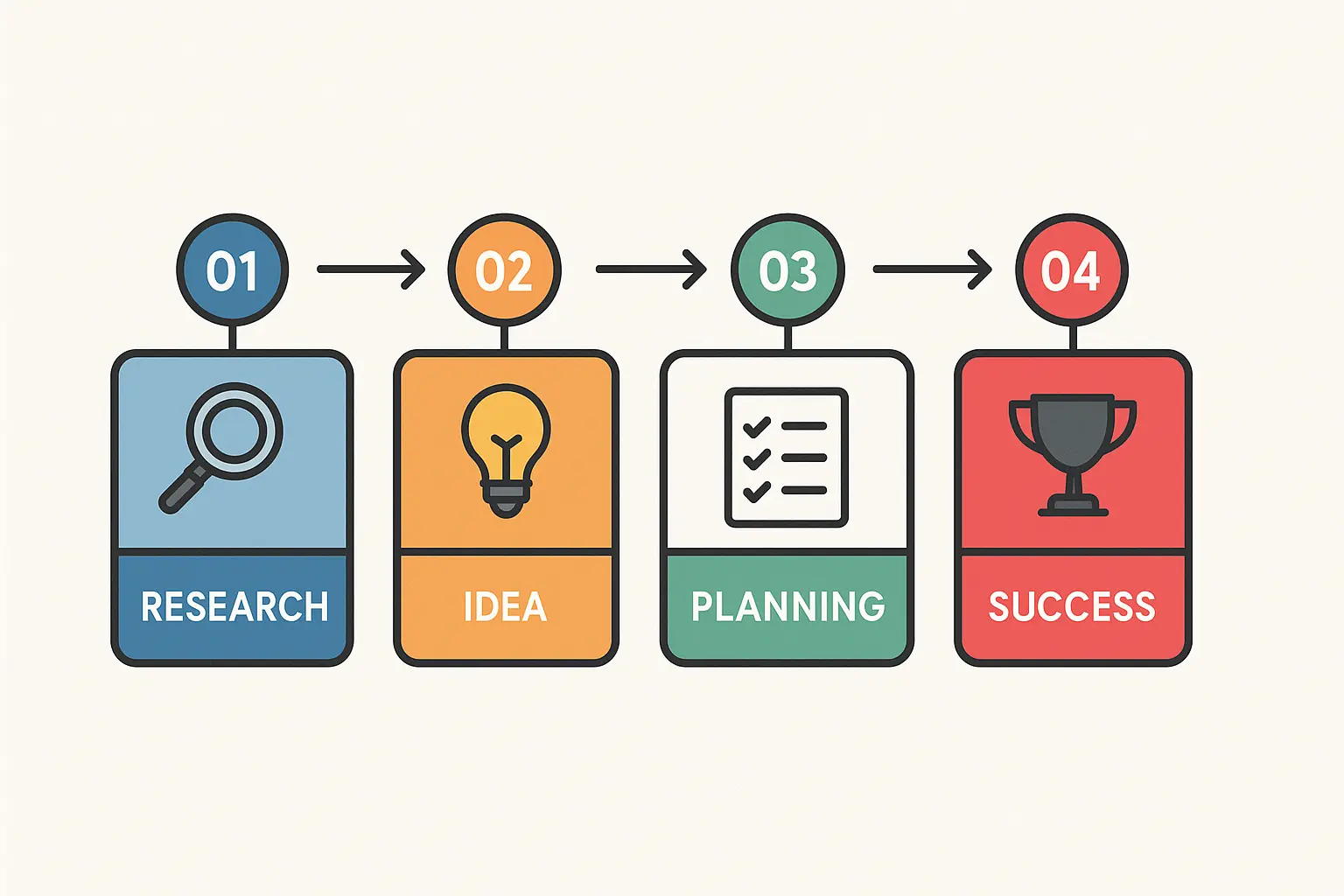
This change isn’t happening in a vacuum. Google is responding to a fundamental shift in user behavior. For years, savvy searchers have been adding ‘reddit’ or ‘forum’ to their queries to bypass corporate-speak and find authentic, unfiltered answers from people who have actually faced their problem.
Recognizing this trend, Google integrated it directly into its results. Now, with Search Generative Experience (SGE) and other AI-driven features, these discussions are not just an option; they’re becoming a core part of the search experience.
The takeaway is simple but profound: Google is actively rewarding genuine human experience. For any query that isn’t purely transactional (like ‘buy red shoes’), searchers crave stories, cautionary tales, and real-world advice—and Google is determined to give it to them.
The Great Shift: From Domain Authority to Author Authority
For over a decade, the agency SEO game has been largely about building Domain Authority. We focused on earning backlinks, optimizing site structure, and publishing content under a brand’s banner. The goal was to convince Google that YourClient.com was a trustworthy source.
That model isn’t dead, but it’s no longer the whole picture.
We’re now entering a hybrid world where Author Authority is a powerful new ranking factor. Google’s E-E-A-T guidelines (Experience, Expertise, Authoritativeness, Trustworthiness) now emphasize the ‘Experience’ component. It’s not enough for a brand to say something; Google wants to see that the information comes from someone with demonstrable, real-world experience on the topic.
Think about it from a searcher’s perspective. If you’re looking for advice on choosing a project management tool for a small agency, which would you trust more?
- A generic blog post titled ‘Top 10 PM Tools’ on a software review site?
- A detailed Reddit comment from a verified agency owner explaining the pros and cons of the three tools she personally used to scale her business?
Most would choose option two. That’s the power of author authority. An individual’s credibility, built through consistent and helpful contributions across the web, is now a signal that can outweigh a website’s domain-level metrics. For agencies, this means your new mission is to find and amplify the voices of the experts within your client’s organization.
The Agency’s Playbook: How to Win in a ‘Perspectives’ World
This shift requires a new set of strategies. It’s not about abandoning what works; it’s about adding a powerful new layer that focuses on people. As an agency, your role evolves from being a brand builder to an SME (Subject Matter Expert) champion.
Here’s a practical framework to get started.
Step 1: Identify and Audit Your Client’s Hidden Experts
Every company has them: the senior engineers, the lead product managers, the veteran customer support leads, the visionary founders. These individuals hold the keys to authentic, experience-driven content.
Who to look for: Find the people who are passionate about their field and can explain complex topics simply. They don’t need to be C-suite executives; often, the most compelling insights come from those on the front lines.
What to do:
- Interview them to uncover their unique perspectives and war stories.
- Audit their existing online presence. Do they have a LinkedIn profile? Are they active on any industry-specific forums or social media?
- Establish a baseline of their current digital footprint.
Step 2: Engage Authentically, Not Promotionally
The golden rule of forums and communities is to add value before you ask for anything. Blatant self-promotion is the fastest way to get downvoted or banned.
Where to engage: Find the subreddits, Quora topics, LinkedIn groups, and industry forums where your client’s target audience is already asking questions.
What to do:
- Create a strategy for your SME to answer questions genuinely. Share successes, but more importantly, share failures and lessons learned.
- The goal isn’t to drop a link to your client’s website in every post, but to become a recognized, trusted name in that community. The authority (and eventual traffic) will follow.
- This process can be resource-intensive, which is why many agencies explore white-label SEO services to handle the detailed execution while they focus on client strategy.
Step 3: Amplify and Repurpose SME Content
A single, insightful answer on a forum is not the end of the line—it’s the beginning of a powerful content ecosystem. This is where you connect the dots between the ‘Perspectives’ world and traditional content marketing.
How to amplify:
- Expand into a Blog Post: Did your client’s SME write a 300-word comment that got a lot of upvotes? That’s a proven concept. Turn it into a 1,500-word blog post on the client’s site, crediting the SME as the author.
- Create Social Content: Break down the key points from the answer into a LinkedIn carousel, a Twitter thread, or a short video script for the SME.
- Build Digital PR: Use the SME’s growing authority to pitch them for podcast interviews, guest posts, and webinar appearances.
By adopting this model, you create a flywheel. The SME’s contributions build their individual authority, which gets them featured in ‘Perspectives’. That content then fuels the brand’s official blog and social channels, building domain authority. Each side strengthens the other.
Frequently Asked Questions (FAQ)
Is traditional SEO (backlinks, technical SEO) dead?
Not at all. Think of it as adding a new instrument to the orchestra. A technically sound website with a strong backlink profile is still the foundation. Author-led content is a powerful new layer that sits on top. The two work together.
How do we convince a client’s busy engineer to post on Reddit?
You make it easy for them. The agency’s role is to remove friction.
- Do the research: Find the exact questions for them to answer.
- Ghostwrite drafts: Conduct a short interview and draft a response in their voice for them to review and approve.
- Show them the value: Report back on the engagement, the positive feedback, and the traffic their contributions are generating.
What’s the ROI on this strategy? How do we measure success?
The metrics here are different from traditional rank tracking. Look for:
- Increased branded search: As an SME becomes known, more people will search for them or their company directly.
- Referral traffic: Track traffic from forums and social platforms where the SME is active.
- Mentions and engagement: Monitor upvotes, shares, and comments as indicators of resonance.
- Qualitative feedback: Share positive comments from the community with your client to demonstrate the impact on brand perception.
Our agency is already stretched thin. How can we add this service?
This is a common challenge. Building an SME program requires considerable time for research, content creation, and monitoring. For many agencies, the most efficient path is partnering with a specialist. Leveraging SEO outsourcing for agencies can provide the execution engine needed to run these campaigns at scale without overloading your internal team.
The Future is Personal
The line between brand and individual is blurring in the world of search. Google has made it clear that it values authentic, experience-driven content, and it is actively redesigning its results to feature it.
Agencies that continue to rely solely on traditional, brand-centric SEO risk being outmaneuvered by those who embrace this new, more human-centered approach. By learning to identify, empower, and amplify the subject matter experts within your clients’ organizations, you’re not just adapting to an algorithm update—you’re building a more resilient, authoritative, and trustworthy presence for the brands you represent.
Navigating this new terrain can be complex, but you don’t have to do it alone. The right agency SEO partner can provide the strategic support and execution capabilities to help you lead your clients into the future of search.