
You hit post.
You poured hours into the perfect article, a thoughtful analysis packed with insights your audience needs. You watch the screen, waiting for the likes, comments, and shares to roll in.
Instead, you get crickets. A handful of views, a pity-like from a coworker, and then… silence.
This frustratingly common scenario is what drives many professionals to seek a shortcut: the LinkedIn engagement pod. It’s a secret group where members agree to like and comment on each other’s posts, hoping to trick the algorithm into showing their content to more people. It sounds like a quick fix, but this seemingly clever hack comes with hidden risks that can do more harm than good.
But there’s a more professional, sustainable, and compliant way to achieve the same goal—one that builds genuine authority instead of faking it.
The Temptation and Trouble with Engagement Pods
Engagement pods operate on a simple premise: a group of people, often strangers in the same industry, band together in a private chat. When one person posts on LinkedIn, they share the link, and everyone else is obligated to engage with it quickly.
The immediate goal is to signal to the LinkedIn algorithm that the post is popular, hoping it gets pushed to a wider audience. But this strategy is built on a shaky foundation.
Why Pods Put Your Brand at Risk
While the promise of instant engagement is alluring, this short-term tactic comes with long-term consequences.
-
They Violate Platform Rules: LinkedIn’s User Agreement explicitly prohibits any activity that “artificially inflates engagement” or creates a “false impression of support.” The platform’s algorithms are designed to detect this kind of coordinated, inauthentic behavior, putting your account at risk of being flagged, de-ranked, or even suspended.
-
They Damage Credibility: Have you ever seen a post with dozens of comments that all say variations of “Great insight!” or “Thanks for sharing!”? It’s a telltale sign of a pod. Sophisticated audiences can spot this artificiality a mile away, eroding the trust you’re trying to build. Authentic engagement sparks conversation; pod engagement just fills space.
-
They Create an Echo Chamber: Your goal is to reach new audiences, but pods often just circulate your content among the same group of people. You aren’t expanding your network; you’re just getting hollow validation from people who are obligated to comment, not genuinely interested in your message.
The fleeting vanity metrics from a pod aren’t worth the risk to your professional reputation. True influence comes from real conversations, not manufactured consensus.
The Professional Alternative: The Internal Amplification Program
So, how do you get your content seen without resorting to risky tactics? You leverage your most powerful and authentic asset: your own team.
An Internal Amplification Program is a structured, company-sanctioned system that encourages employees to voluntarily engage with and share company and colleague content. It’s not about forcing participation; it’s about making it easy and rewarding for your team to become brand advocates.
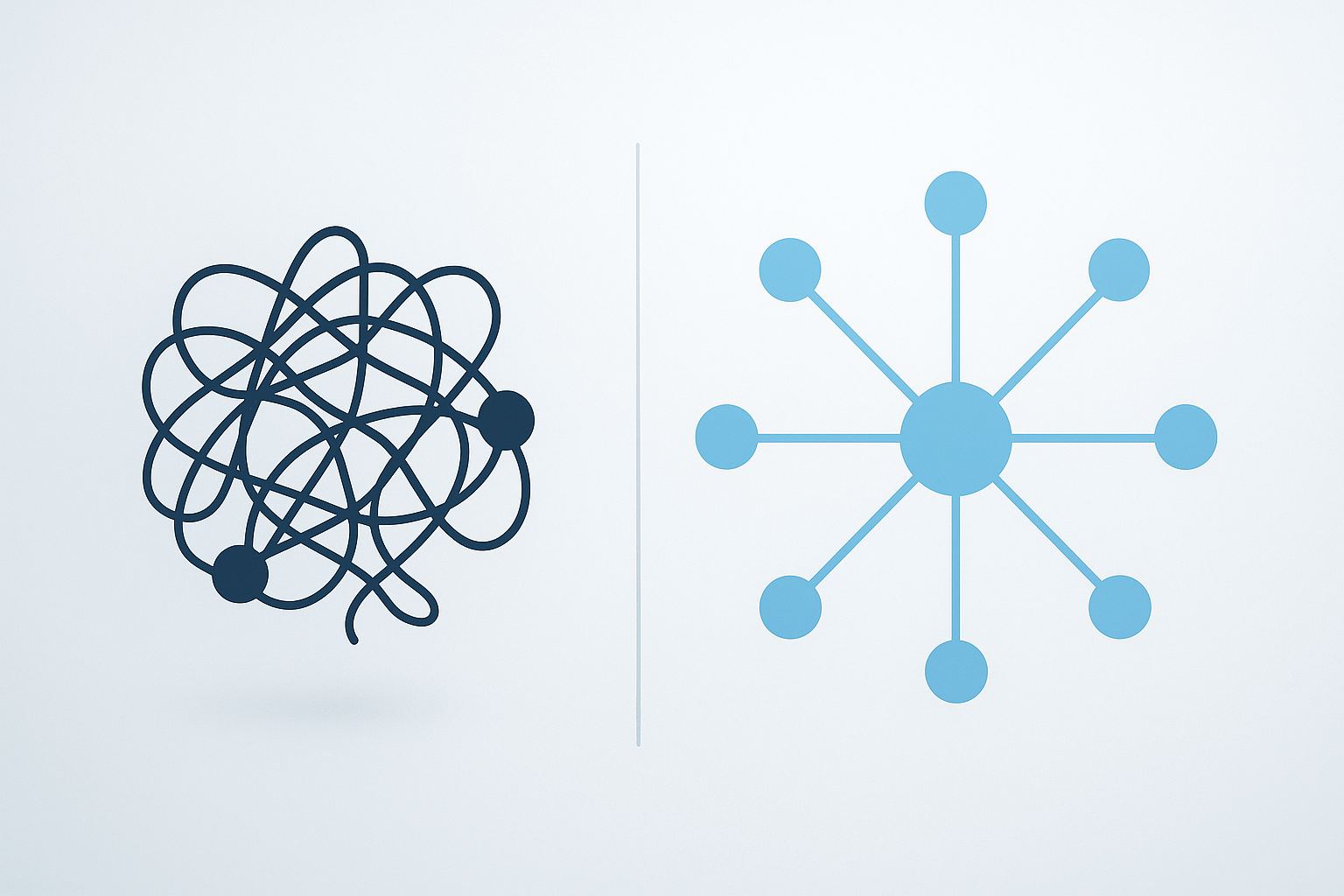
Think of it as turning your team from passive observers into an active distribution network. Instead of a closed loop of strangers, you’re tapping into the diverse, authentic networks of people who know your brand best.
![A visual diagram comparing the risky, closed loop of an engagement pod vs. the expansive, authentic reach of an internal amplification program.]
This approach isn’t just safer—it’s more effective. A recommendation from a trusted colleague carries far more weight than a generic comment from a stranger in a pod. It’s the digital equivalent of word-of-mouth marketing.
How to Build a Compliant Amplification Program in 5 Steps
Creating a formal program might sound daunting, but you can roll one out with a few simple, strategic steps. The key is to keep it organized, voluntary, and easy.
Step 1: Secure Leadership Buy-In
Start by framing this as a strategic initiative, not just a marketing task. Explain to leadership how this program helps with recruiting, sales, and building brand authority. When leaders actively participate, it signals to the entire organization that this is a valuable activity.
Step 2: Establish Clear, Simple Guidelines
Create a one-page document outlining the guidelines.
- Authenticity First: Emphasize that all comments and shares should be genuine. Encourage employees to add their own perspective, ask a question, or tag a colleague who might find the content useful. Provide a “Do Not Do” list, such as posting generic comments.
- Participation is Voluntary: Reinforce that this is an opportunity, not an obligation. The goal is to build a core group of enthusiastic advocates.
- Tagging Protocol: Decide on a simple way to flag posts for amplification (e.g., using a specific internal hashtag).
Step 3: Make Participation Effortless
The biggest barrier to participation is inconvenience, so remove it.
- Create a Central Hub: Set up a dedicated Slack or Microsoft Teams channel (e.g., #linkedin-amplifiers). When someone—whether it’s the company page or an employee—posts something important, they can drop the link in the channel.
- Provide Talking Points: For major company announcements, provide a few bullet points or a key statistic from the post. This gives employees a starting point for crafting their own authentic comments, so they don’t have to start from scratch.
Step 4: Recognize and Reward Contribution
Acknowledge the team members who are actively participating. This doesn’t need to be a complex compensation plan. Simple recognition goes a long way:
- Give a shout-out in a team meeting or the amplification channel itself.
- Feature top contributors in an internal newsletter.
- Highlight how their advocacy helps their own professional brand grow.
Step 5: Measure What Truly Matters
Move beyond vanity metrics. Track the business impact of your program.
- Website Referral Traffic: Are you seeing an increase in traffic from LinkedIn?
- Key Profile Views: Are your subject matter experts getting more profile views after their content is amplified?
- Inbound Connections: Are salespeople receiving more connection requests from qualified prospects?
Focusing on these metrics helps prove the program’s ROI and keeps everyone motivated.
![A simple flowchart or checklist graphic outlining the 5 steps to building an internal amplification program.]
An organized program transforms sporadic social media activity into a reliable engine for building your brand’s presence. It sends powerful signals of relevance and authority to both human audiences and the AI search ecosystems that increasingly shape how brands are discovered and understood.
Frequently Asked Questions (FAQ)
Isn’t an internal program just a “corporate engagement pod”?
Not at all. The key differences are intent and authenticity. Pods use strangers to create artificial engagement. An internal program empowers knowledgeable employees to share content they believe in with their real, established networks. The engagement is genuine, the reach is organic, and the process is fully compliant with platform rules.
What if our employees don’t want to participate?
That’s perfectly fine. The program should always be voluntary. Focus on the “What’s In It For Me” (WIIFM) for employees. By regularly sharing valuable content, they are building their own professional brand, establishing themselves as experts, and growing their own networks. The program is there to support them, not command them.
How much time should this take for an employee?
Participation should be quick and easy, ideally taking no more than 5-10 minutes per day. With a dedicated channel where links are shared, an employee can quickly scan, find a relevant post, and add a thoughtful comment or share it with their network during a coffee break.
What kind of content is best for amplification?
A healthy mix is crucial. Don’t just amplify corporate press releases. Encourage sharing a variety of content:
- Thought leadership articles from company experts.
- Helpful industry insights and analysis.
- Case studies and client success stories.
- Company culture and employee spotlight posts.
- Job postings and recruiting-focused content.
Ditch the Risk, Build Real Influence
The desire for visibility is understandable, but taking shortcuts with engagement pods is a gamble with your reputation. They offer the illusion of reach while actively undermining your credibility.
By shifting your focus inward, you can build a powerful, sustainable, and authentic engine for growth. An Internal Amplification Program turns your employees into your greatest advocates, expands your reach through trusted networks, and strengthens your brand’s voice in a noisy digital world. It’s a core component of any modern AI Visibility strategy, building the kind of human-validated authority that algorithms and AI systems are designed to recognize.
Ready to build a digital presence that’s both visible and credible? Start by empowering the experts you already have.