

Your client’s keyword ranking report is glowing. Green arrows are everywhere. You’re hitting all the targets you set last quarter. But then the client calls with a question that stops you in your tracks: “The rankings look great, but why aren’t we seeing more leads?”
If this scenario feels familiar, you’re not alone. It’s a quiet tension building in agencies everywhere. The classic SEO playbook—the one built on chasing blue links—is being rewritten in real time by artificial intelligence.
The new search landscape isn’t about just being on the list; it’s about being the answer. And as research suggests that AI-powered Search Generative Experience (SGE) could render up to 90% of traditional search content obsolete, agencies that don’t adapt risk becoming obsolete themselves.
The good news? This disruption is your single biggest opportunity to deliver more value than ever before. You don’t need to reinvent your services from scratch; you need to repackage them for this AI-first world.
The Ground Has Shifted: From Blue Links to AI Conversations
For years, the goal of SEO was simple: get to the top of the search engine results page (SERP). But that page is changing dramatically. Instead of a list of links, Google now delivers direct, AI-generated answers, pulling information from multiple sources to create a single conversational snapshot. It’s a shift from a library of links to a synthesized answer engine.

This change is driven by a fundamental evolution in how search engines understand information. They’ve moved beyond simply matching keywords (“strings”) to understanding the concepts, people, and places behind them (“things”). In SEO, we call these “things” entities.
An AI doesn’t just see the words “Eiffel Tower.” It understands the entity: a tower (concept) in Paris (place) designed by Gustave Eiffel (person). This rich, contextual understanding is why your old keyword-focused packages are starting to show cracks. They were built for a world of strings, not a world of things.
Why Your Current SEO Packages Need an AI-Powered Upgrade
Let’s be honest—most standard SEO packages are built around a few core deliverables: a technical audit, keyword research, content creation, and a monthly ranking report. While these elements are still vital, their focus and value proposition have to evolve.
Keyword Rank Reports Are Losing Meaning: With the rise of zero-click searches and AI-synthesized answers, being “rank #1” doesn’t guarantee a click, let alone a conversion. Your client’s real goal isn’t a ranking; it’s to be the trusted source cited within the AI’s answer.
Content for “Ranking” Isn’t Enough: Content written just to target a specific keyword often misses the bigger picture. AI search favors content that demonstrates comprehensive expertise and authority on a topic, not just content that repeats a keyword five times.
Technical SEO Is More Complex: A basic technical audit checking for broken links and site speed is no longer sufficient. AI relies heavily on clean, structured data to understand your client’s content. Without it, even the best writing can be invisible to generative search.
The “aha moment” for agencies is this: repackaging your services isn’t about adding a dozen new, complicated tasks. It’s about rebranding and refocusing your existing work to meet the demands of this new era. It’s about shifting the client’s perception of value from “rankings” to “AI readiness” and “topical authority.”
How to Evolve Your Core SEO Deliverables
You already have the foundational skills. Now, it’s time to reframe them. The goal is to show clients you’re not just playing the old game better; you’re preparing them to win the new one.
1. From “Technical Audit” to “AI-Readiness Audit”
A traditional technical audit ensures a search engine can crawl and index a site. An AI-Readiness Audit ensures a search engine can understand it.
The focus shifts to structured data. This is a way of labeling your content so machines can instantly recognize what it’s about—like putting a clear label on a filing cabinet. AI models rely on this structured data to build their knowledge base and generate answers in SGE.
How to Repackage It:
Old Deliverable: A checklist of 404 errors and page speed scores.
New Deliverable: An “AI Visibility Score” that includes:
Schema Markup Implementation: Does the site use schema to define its products, services, people, and organization?
Knowledge Graph Consistency: Is the business’s information (name, address, phone) consistent across the web?
Content Structure Analysis: Is the content logically organized with clear headings that help machines parse its meaning?
This kind of deep technical work can be incredibly time-consuming. That’s why many forward-thinking agencies are leveraging AI-powered SEO automation to run these complex checks at scale, freeing up their experts to focus on strategy.
2. From “Keyword Research” to “Topic & Entity Strategy”
Instead of handing your client a list of 50 keywords to target, deliver a strategy for becoming the definitive authority on a core business topic. This aligns directly with Google’s E-E-A-T (Experience, Expertise, Authoritativeness, and Trustworthiness) guidelines, which are more critical than ever for being featured in AI results.
How to Repackage It:
Old Deliverable: “You rank #3 for ‘best running shoes’.”
New Deliverable: “We’ve established your brand as a trusted entity for ‘marathon training footwear’ by creating a comprehensive content hub that answers every related user question. As a result, you are now being cited in AI-generated answers for 15 different search queries in this topic cluster.”
This approach shifts the conversation from a volatile ranking number to a durable business asset: authority.
3. From “Content Creation” to “Structured Content & Data Assets”
In the AI era, every piece of content serves two audiences: the human reader and the machine learning model. Your value lies in creating assets that serve both audiences effectively. This includes not just blog posts, but also content for People Also Ask sections, FAQ schema, and assets for multimodal search (images, audio, video).
How to Repackage It:
Old Deliverable: A 1,200-word blog post optimized for a primary keyword.
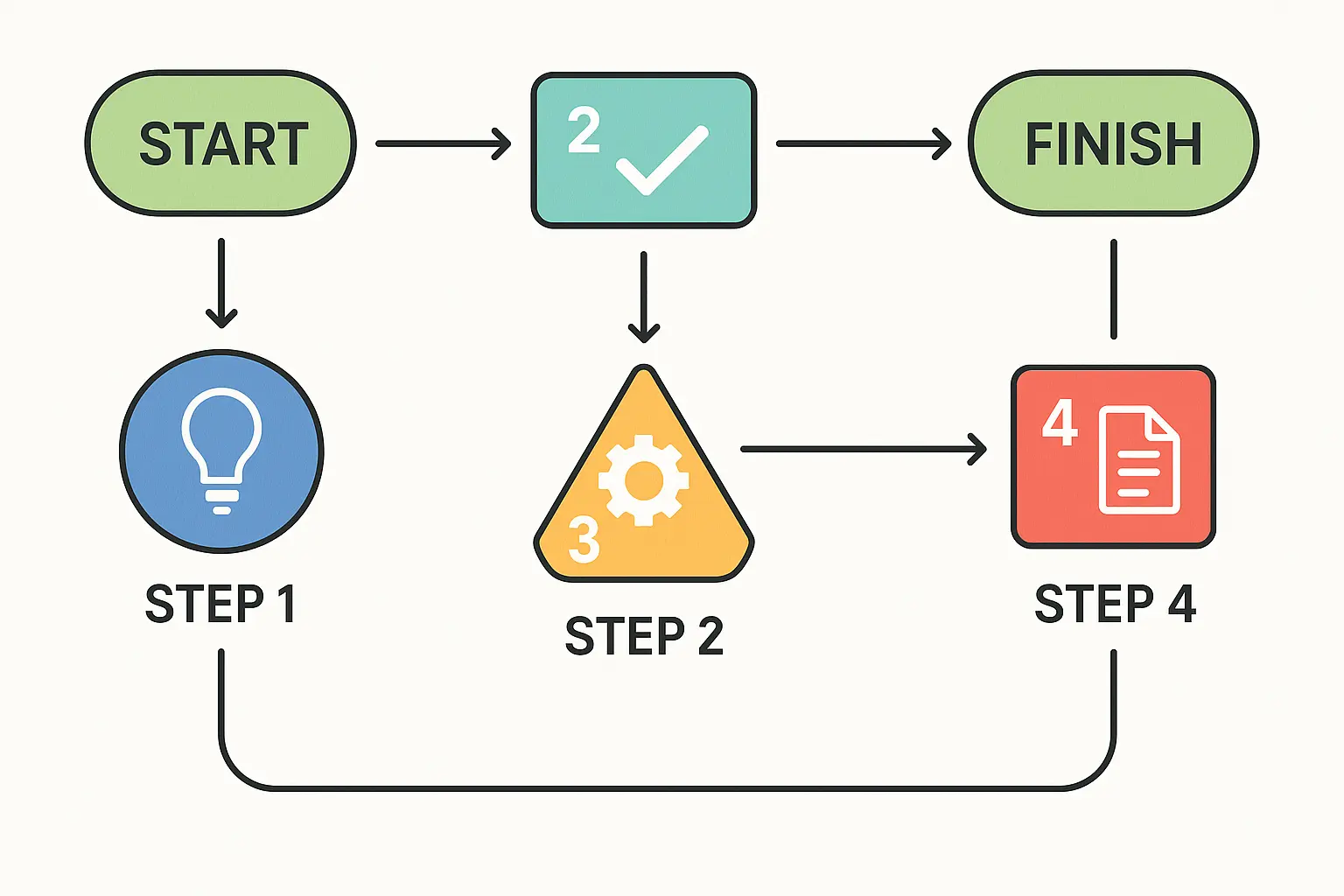
New Deliverable: A “Topic Authority Asset” that includes:
A well-researched article answering a core user question.
Embedded structured data (FAQ Schema, How-To Schema) that makes the content easy for AI to digest.
Optimized images and video clips to capture visibility in multimodal search results.
Building out this level of expertise in-house can be a major challenge, which is why many agencies are exploring SEO outsourcing for agencies to tap into specialized knowledge without the overhead.
Frequently Asked Questions (FAQ)
What is an “entity” in SEO?
Think of an entity as any well-defined “thing” or concept: a person, place, company, product, or idea. Google is building a massive database of these entities, called the Knowledge Graph, to understand the real world. Your goal is to get your client’s brand, products, and people established as trusted entities within it.
Will keywords still matter?
Yes, but their role is changing. Keywords are now clues that help you understand user intent within a broader topic. Instead of focusing on a single keyword, use it as a starting point to map out all the related questions and concepts a user might have. This is how you build topical authority.
Is this AI-focused SEO only for big clients?
Absolutely not. For a local business, becoming the primary entity for “best plumber in [City]” is crucial. When someone asks their phone, “Who’s the most reliable plumber near me?”, the AI will look for the local business with the strongest signals of authority and trust—signals you build through this new approach to SEO.
How can my small agency possibly keep up with these changes?
This is the key challenge for almost every agency right now. The pace of change is accelerating, and the technical demands are growing. Many agencies are finding success by partnering with specialized firms that offer white-label SEO services. This allows them to deliver sophisticated, AI-ready strategies under their own brand without having to build an entire department from scratch.
Your Agency’s Next Chapter Starts Now
The rise of AI in search isn’t a threat—it’s a filter. It will filter out the agencies stuck in the old playbook and elevate those who can guide their clients into the future.
By reframing your existing services—transforming technical audits into AI-readiness reports and keyword lists into authority strategies—you can move the conversation away from commoditized rankings and toward an indispensable strategic partnership. You become the guide who helps clients not just get found, but become the definitive answer.