

Imagine this: your real estate client lands a fantastic new listing in a hot neighborhood. They’re excited, and you are too. The property hits the MLS, and within hours, it’s syndicated everywhere.
Suddenly, your client’s beautiful listing on their own website is buried on page three of Google, completely outranked by Zillow, Redfin, and a dozen other mega-portals. The race for visibility was over before it even began.
This is the reality of real estate marketing—it’s a reactive game. But what if you could start the race weeks before the competition even knows there’s a starting line? What if you could rank on Google for a property before it was even officially for sale?
That proactive strategy is pre-market SEO, and it’s a powerful way to shift from playing catch-up to leading the pack.
The Race Against the Giants: Why Traditional Real Estate SEO is an Uphill Battle
When a property goes live, the MLS acts like a massive content distribution network, blasting the listing information to portals with sky-high domain authority. For an individual agent or brokerage site, competing on a term like “[property address] for sale” at that point is nearly impossible.
While a staggering 89% of sellers use a real estate agent, a significant 52% of buyers find the home they ultimately purchase online. They aren’t just browsing; they’re searching with intent. But when all the major portals are optimized for the same information at the same time, the agent who owns the listing often gets lost in the noise.
Pre-market SEO flips this script by creating a window of opportunity before that noise begins.
A Proactive Approach: What is Pre-Market SEO?
Pre-market SEO is the strategy of creating, publishing, and optimizing a dedicated webpage for a property before it’s officially listed on the MLS.
Think of it like a movie trailer. A studio releases a teaser months before the movie comes out to generate buzz, build an audience, and capture interest. By the time the film is released, there’s already a dedicated fan base eager to buy tickets.
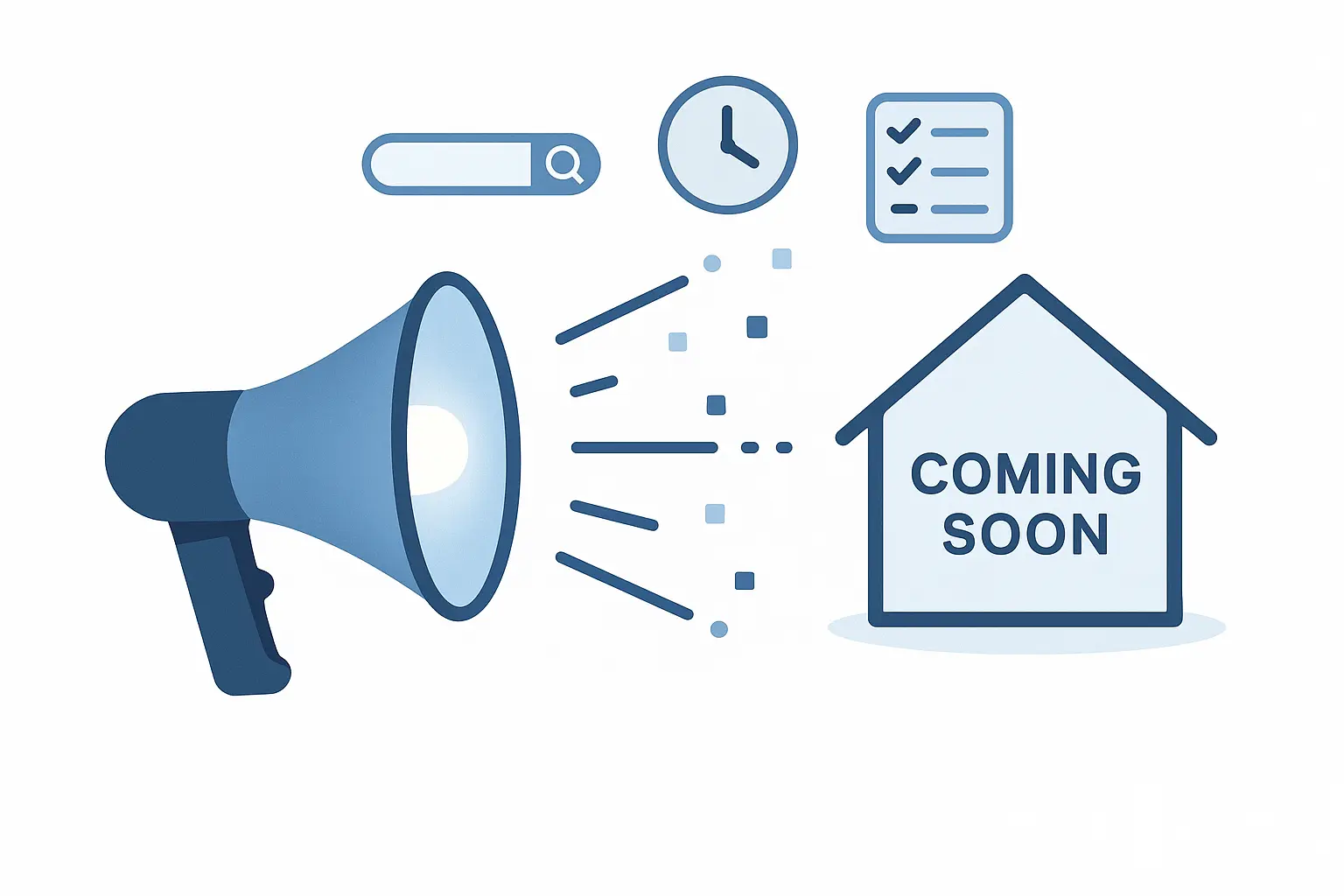
A “Coming Soon” property page does the same thing. It gives search engines like Google a crucial head start to discover, crawl, and index your page. You’re effectively telling Google, “Hey, this page is the original, authoritative source of information for this specific address.” You’re establishing digital ownership before anyone else can.
The Triple Advantage of a “Coming Soon” Strategy
This early-bird approach offers three distinct advantages that can redefine how your clients (and your agency) approach a new listing.
1. Capture High-Intent, Low-Competition Traffic
Early searchers are often the most motivated buyers. They might be neighbors who saw a “Coming Soon” sign, locals who have been watching a specific street for months, or buyers who have set up hyper-specific alerts. They search for terms like:
- “123 Maple Street coming soon”
- “new listings in the Elmwood neighborhood”
- “what is the price of 123 Maple Street”
At this stage, the competition for these keywords is virtually zero. You aren’t fighting Zillow—you are the only source of information, capturing high-intent traffic that others will miss entirely.
2. Build a Pre-Qualified Lead List
A “Coming Soon” page isn’t just a digital flyer; it’s a lead-generation machine. The primary call-to-action isn’t “View Listing,” because it doesn’t exist yet. Instead, it’s something far more exclusive:
- “Be the First to Know: Get Notified When This Home is Live”
- “Request Early Access to Details & Photos”
- “Join the VIP List for a Pre-Market Tour”
Every person who fills out that form is a pre-qualified lead—someone who has expressed direct interest before the property is available to the wider market. This private list is an agent’s most valuable asset when the home officially launches.
3. Demonstrate Unmatched Value to Clients
For agencies, this strategy is a powerful differentiator. In an industry where 82% of recent sellers contacted only one agent before choosing who to work with, demonstrating a sophisticated, proactive marketing plan can be a game-changer.
Instead of just promising to list the home on the MLS and run a few ads, you can show clients a tangible strategy for dominating the digital conversation from day one. It proves you’re not just a service provider but a strategic partner invested in maximizing their property’s exposure. Offering this as part of your agency’s portfolio, possibly through white-label SEO services, elevates your value proposition significantly.
The Blueprint: How to Execute Pre-Market SEO
Implementing a “Coming Soon” strategy is straightforward when broken down into a few key steps.
Step 1: Secure the “Coming Soon” Agreement
This is the most critical step. Before any online work begins, the agent must have a signed listing agreement from the seller that includes permission to market the property as “Coming Soon.” It’s also essential to know the local MLS rules regarding pre-market advertising.
Step 2: Create a Dedicated Property Page
Create a new page on the agent’s website dedicated solely to this property. The URL structure is key—it should be clean and include the full address (e.g., www.realestateagent.com/listings/123-maple-street-springfield).
The page should include:
- The full address in the H1 title, meta title, and throughout the copy.
- “Coming Soon” messaging displayed clearly.
- High-quality “teaser” photos (exterior shots, unique features, neighborhood views).
- A compelling, lifestyle-focused description.
- Key property details (beds, baths, square footage, etc.).
- A prominent lead capture form.
Step 3: Optimize for Early Bird Keywords
Think like a curious buyer. Your on-page SEO should target long-tail keywords that capture early interest. Weave terms like “[property address]”, “homes for sale in [neighborhood]”, and “coming soon [city] real estate” into your page content and metadata.
Step 4: Build Authority and Generate Buzz
Once the page is live, it’s time to send signals to Google and potential buyers that this page is important.
- Internal Linking: Link to the new property page from relevant neighborhood guides or blog posts on the agent’s site.
- Social Media: Share “sneak peek” photos and videos on Instagram, Facebook, and LinkedIn, always linking back to the “Coming Soon” page.
- Authority Signals: For competitive markets, strengthening the page’s authority is crucial. A targeted white-label link building strategy can signal to Google that this new page is a credible source of information even before it’s widely known.
- Email Marketing: Announce the exclusive preview to the agent’s existing database of contacts and past clients.
Step 5: Launch Day & The Pivot
The moment the property goes live on the MLS, it’s time to update the page.
- Swap “Coming Soon” messaging with “Just Listed!”
- Replace teaser photos with the full professional gallery and virtual tour.
- Change the call-to-action from “Get Notified” to “Schedule a Showing” or “View the Listing.”
Because the page already has weeks of indexation history and authority, it now stands a much stronger chance of ranking for competitive, high-volume search terms. This gives your client’s listing a powerful advantage in the search results.
Frequently Asked Questions (FAQ)
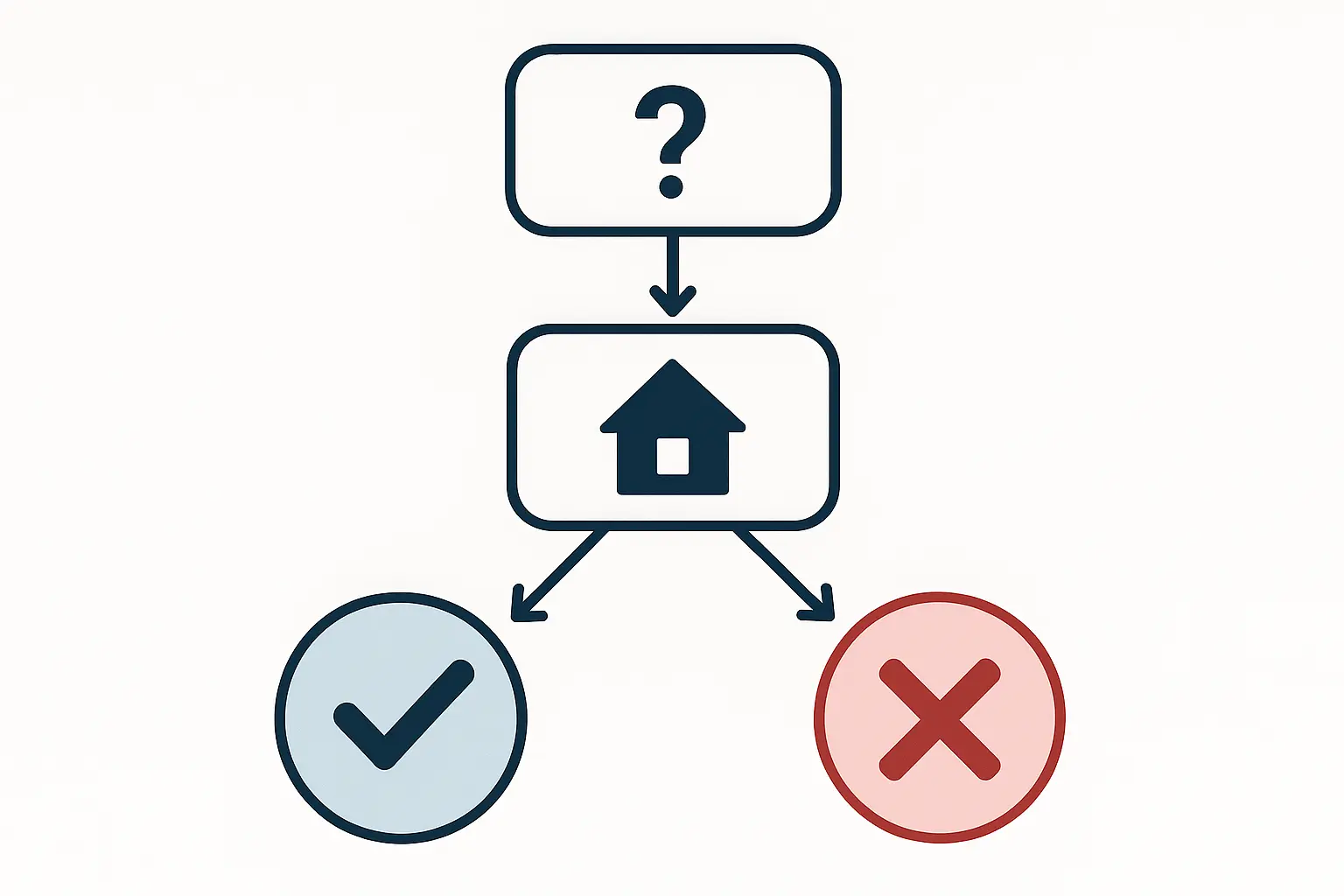
Is this against MLS rules?
It depends. Most MLS boards have specific regulations for “Coming Soon” or “Pre-Market” listings. It’s crucial to understand and adhere to these rules, which often dictate timelines and what information can be shared. Always check with the local real estate board first.
What if the property details change before listing?
That’s perfectly fine. The primary goal is to get the URL with the correct, permanent address indexed by Google. Details like price, descriptions, and photos can easily be updated on the page once they’re finalized.
How much time do you need before the official listing date?
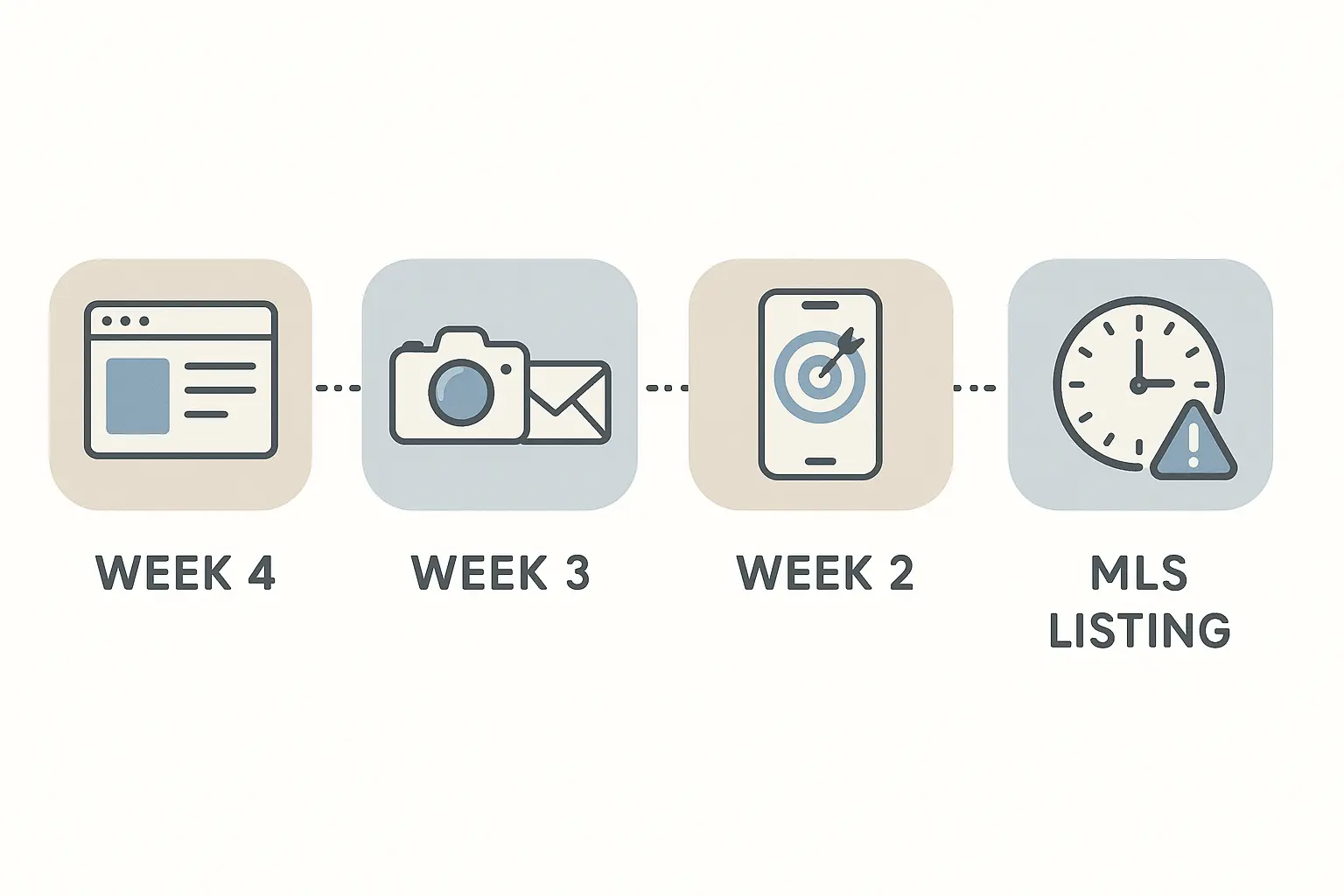
Ideally, you want the “Coming Soon” page to be live for at least two to four weeks before the property hits the MLS. This gives Google ample time to crawl, index, and begin assigning authority to your page.
Does this work for every type of property?
This strategy is most effective for properties in high-demand neighborhoods or unique homes that are likely to generate natural curiosity and early search interest. For a standard property in a slow market, the impact may be less pronounced, but it still helps establish the agent’s site as the source of truth.
From “Coming Soon” to “Sold”: The Agency Opportunity
Pre-market SEO isn’t just a clever trick for real estate agents; it’s a sophisticated, high-value service that digital marketing agencies can build into their offerings for real estate clients. It transforms your agency from a reactive order-taker into a proactive, strategic growth partner.
By leading with strategies that directly impact lead generation and reduce reliance on crowded portals, you can prove ROI in a clear and compelling way. It’s a perfect example of the “new SEO”—an approach that’s less about chasing rankings and more about creating measurable business impact.
The next time your client mentions a new listing, don’t wait for the MLS feed. The real opportunity begins the moment they sign the paperwork.