
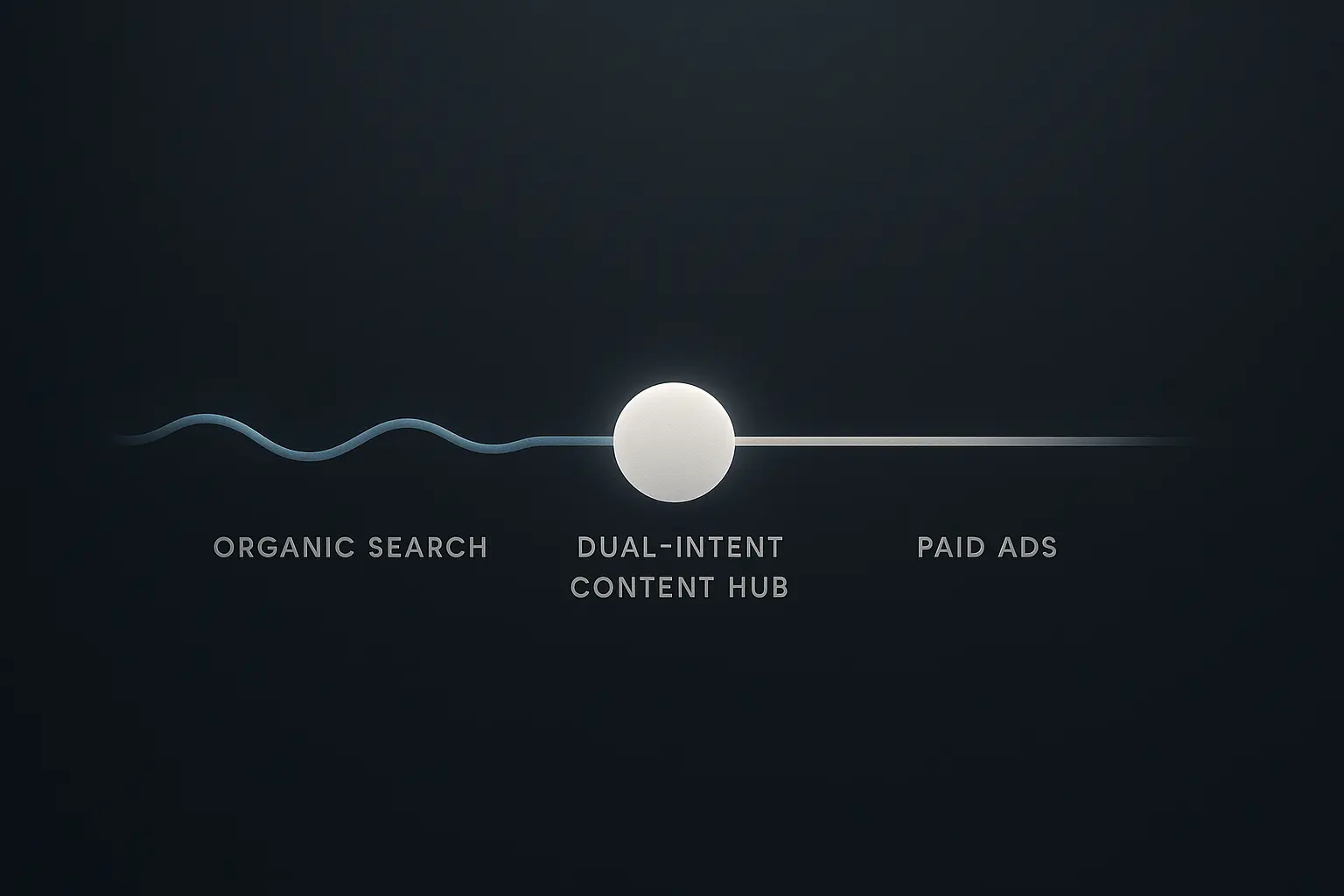
Dual-Intent Topic Clusters: The Agency Playbook for Unifying SEO & PPC
Your SEO team just published a 3,000-word ultimate guide that’s climbing to the top of Google. Meanwhile, your PPC team built a lean, high-converting landing page for the exact same target keyword. Both teams are celebrating wins.
There’s just one problem: they’re fighting each other.
This internal tug-of-war is happening in agencies everywhere. SEO builds assets for discovery while PPC builds assets for conversion, resulting in duplicated effort, inconsistent messaging, and a fractured customer journey.
But what if you could have the best of both worlds? What if you could build one powerful content hub engineered to both rank organically and convert paid traffic?
Welcome to the dual-intent topic cluster. It’s the agency-level strategy that transforms siloed channel tactics into a unified growth engine.
The Classic Dilemma: The Educational Blog Post vs. The Hard-Sell Landing Page
For years, the digital marketing playbook has kept SEO and PPC in separate sandboxes.
The typical SEO play is to create comprehensive, informational content to answer a user’s question. The goal is to build topical authority, earn backlinks, and rank for high-volume keywords. Think “What is Project Management Software?”
It’s great for attracting traffic but often terrible at converting leads because the commercial intent is low. This might be why a staggering 90.63% of all content gets zero traffic from Google, according to an Ahrefs study. Without authority and clear intent alignment, content simply disappears.
The standard PPC play is to create a highly specific landing page with a single goal: conversion. It has a compelling headline, minimal text, a strong call-to-action (CTA), and a lead form.
It’s perfect for capturing demand from a targeted ad, but it has almost no chance of ranking organically. And while the top 25% of landing pages convert at over 5.31%, WordStream data shows the average is a mere 2.35%—proving that even dedicated conversion assets face an uphill battle.
The fundamental disconnect is that we force users into one of two boxes: “learner” or “buyer.” In reality, most users are both.
Back to Basics: What is a Topic Cluster?
Before we merge these two worlds, let’s revisit the foundational concept. The topic cluster model, popularized by HubSpot, shifted SEO strategy away from chasing individual keywords and toward building topical authority.
The structure is simple:
-
Pillar Page: A broad, comprehensive resource covering a core topic (e.g., “Social Media Marketing”).
-
Cluster Content: A series of more specific articles that explore subtopics in detail (e.g., “Instagram for B2B,” “LinkedIn Ad Strategies”), all linking back to the pillar page.
This interconnected structure signals to Google that you are an expert on the subject, making it easier for all pages in the cluster to rank. It transforms a messy, siloed collection of blog posts into an organized, authoritative content library.
This model is more relevant than ever. Google’s Helpful Content Updates have doubled down on rewarding content created for people, not just search algorithms. A well-structured cluster demonstrates expertise and satisfies user intent on a deep level.
The Evolution: Introducing the Dual-Intent Pillar Page
The classic topic cluster is brilliant for organic search, but we can make it work harder. The “dual-intent” model upgrades the traditional pillar page into a hybrid asset that serves both informational and commercial intent.
The logic is simple: search intent is rarely one-dimensional. For example, research from SEMrush confirms that a significant portion of keywords carry multiple user intents. Someone searching for “agency project management software” isn’t just learning; they’re actively evaluating solutions. They have informational and commercial needs.
A dual-intent pillar page is architected from the ground up to satisfy both. It’s a comprehensive educational resource robust enough to rank on page one, but it’s also embedded with conversion elements that make it a highly effective destination for paid traffic. It’s the Swiss Army knife of content marketing.
Anatomy of a Dual-Intent Pillar Page
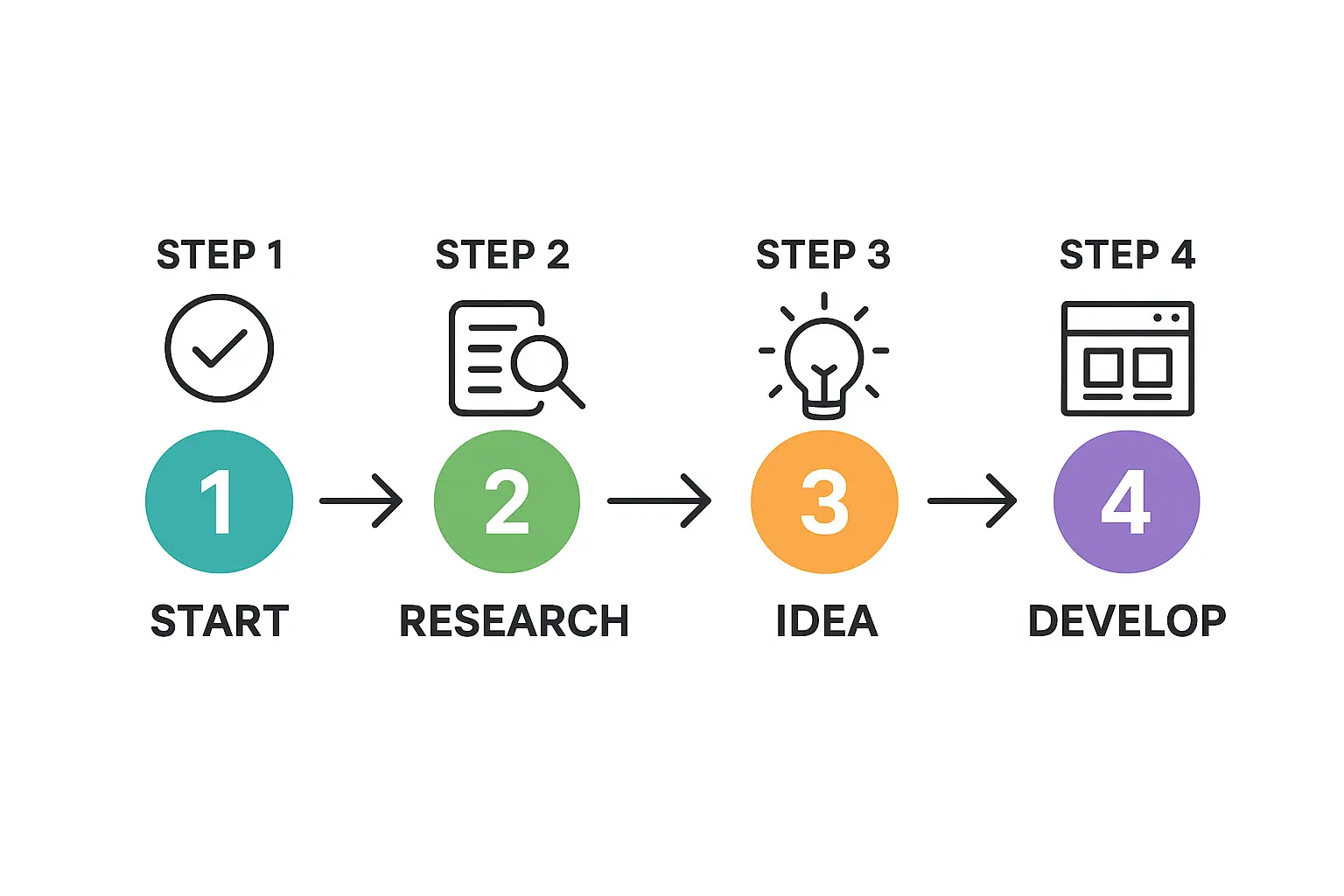
This isn’t just about making a blog post longer or adding a CTA at the bottom. It’s about strategic design. A successful dual-intent page is structured in layers, guiding users naturally from learning to action.
The Hook (Above the Fold)
The top of the page must work for everyone. A paid visitor needs a clear value proposition that matches the ad they just clicked, while an organic visitor needs to know they’ve found the definitive answer to their query. With an Unbounce report finding that 90% of visitors who read a headline also read the CTA, a clear, concise headline and a soft CTA (like a checklist or guide download) are critical.
The Informational Core (The “SEO Engine”)
This is the heart of the page—the comprehensive guide that satisfies informational intent. It should include sections that answer the who, what, why, and how of the topic. This is where you build trust, demonstrate expertise, and earn your organic rankings. This section should be packed with value: data, examples, and expert insights.
Conversion Zones (The “PPC Engine”)
Strategically woven throughout the informational core are dedicated conversion modules. These aren’t intrusive pop-ups; they are valuable, context-aware tools that help users take the next step.
-
Comparison Tables: Let users compare features or pricing plans.
-
Embedded Calculators: Offer an ROI or pricing calculator.
-
Case Study Snippets: Show, don’t just tell, with real-world results.
-
Click-to-Tweet Quotes: Make your insights shareable.
-
“Get a Demo” Forms: Place these after a section explaining a key feature or benefit.
This structure creates a seamless experience. An organic visitor can read the entire guide, while a paid visitor can land, find the validation they need, and convert without having to scroll through thousands of words.
Why This Model is an Agency Game-Changer
Adopting a dual-intent strategy gives your agency—and your clients—a powerful competitive advantage.
-
Maximize Asset ROI: Instead of creating two separate assets, your team builds one superior resource that serves two channels. This cuts down on content production costs and ensures your best work gets maximum visibility.
-
Unify the Customer Journey: Whether a user finds you on Google or clicks an ad, they land on a consistent, authoritative page. This builds brand trust and provides a seamless path from awareness to consideration.
-
Boost Google Ads Quality Score: Sending paid traffic to a highly relevant, in-depth, and user-friendly page is exactly what Google wants. A higher Quality Score can lead to better ad positions and a lower cost-per-click (CPC).
-
Future-Proof Your Strategy: As “Page Zero” becomes more common—with users finding answers in featured snippets without clicking—your content needs to be compelling enough to earn the click. A deep, valuable resource is far more enticing than a thin landing page. This integrated approach is a cornerstone of any modern omnichannel growth SEO strategy.
Frequently Asked Questions (FAQ)
Won’t a long page with lots of text scare away paid traffic?
Not if it’s designed correctly. With a clear value proposition and a CTA above the fold, conversion-ready visitors can act immediately. For visitors who need more information, the detailed content below serves as the ultimate sales collateral, answering every possible objection and building the confidence needed to convert.
How is this different from a long-form sales page?
A long-form sales page is built to sell, leading with persuasion. A dual-intent pillar page is built to educate, leading with value. It earns its authority by being the most helpful resource available, which is why it ranks organically. The conversion elements feel like a natural next step, not a hard pitch.
Can we use AI to build these pages?
Absolutely. Modern tools can accelerate the process significantly. For example, AI-powered SEO automation can be used for keyword research, identifying user questions, creating detailed content briefs, and even generating first drafts of the informational core. However, the strategic placement of conversion zones and the overall narrative flow still demand expert human oversight.
Is this model right for every keyword?
No, it’s most effective for mid-funnel keywords that have a clear mix of informational and commercial intent. Purely informational top-of-funnel keywords (“what is SEO”) or purely transactional bottom-of-funnel keywords (“buy nike air max size 11”) may still be better served by dedicated, single-intent pages.
From Silos to Synergy: Your Next Move
The old model of creating separate assets for SEO and PPC isn’t just inefficient—it creates a disjointed user experience. By building dual-intent content hubs, your agency can unify its marketing efforts, maximize the value of every piece of content, and create a powerful competitive moat.
This approach stops the internal tug-of-war and gets both your SEO and PPC teams pulling in the same direction: toward client growth. For agencies looking to implement and scale these advanced strategies without the in-house overhead, partnering with a white-label SEO partner can provide the specialized execution needed to bring this vision to life.