

Ever feel like you’re stuck in a loop? You spend weeks crafting the perfect proposal for a high-ticket SEO retainer, send it off with high hopes, and then… radio silence.
It’s a frustrating cycle, and you’re not alone. In fact, a staggering 60% of agencies report that acquiring new clients is their biggest pain point.
The problem isn’t your service; it’s your starting point. Asking a new prospect to commit to a multi-thousand-dollar monthly retainer is like asking someone to marry you on the first date. They don’t know you, they don’t trust you, and they can’t grasp the full value you bring just from a sales deck.
But what if there was a better way? A strategy that flips the script, builds immediate trust, and turns skeptical prospects into eager, long-term partners.
It’s called the “Foot-in-the-Door” (FITD) offer, and when it comes to selling SEO, the technical audit is your golden key. This playbook will show you how to use a low-cost, high-value SEO audit—one you can deliver seamlessly through a partner—to stop chasing clients and start building a predictable pipeline of profitable retainers.
Why the Old Sales Pitch is Broken (And What Works Instead)
The traditional agency sales model is built on a big ask. You’re trying to convince a client of the long-term value of SEO—a complex discipline that can take months to show results. This creates a huge barrier to entry for the client, forcing them to take a significant financial leap of faith.
The FITD technique works on a simple principle of human psychology: it’s easier to agree to a small request first, which makes it much easier to agree to a larger request later.
An SEO audit is the perfect FITD offer because it is:
-
Tangible: It’s a specific deliverable, not an abstract promise of future rankings.
-
High-Value: It uncovers real, actionable problems that are costing the business money.
-
Low-Risk: It requires a small, one-time investment from the client, making it an easy “yes.”
-
Diagnostic: It naturally creates a roadmap for the solution—your monthly retainer service.
Instead of telling a prospect they have problems, you’re showing them with data. This instantly shifts your position from a salesperson to a trusted advisor.
The Untapped Opportunity: Most Businesses Are Flying Blind with SEO
Your potential clients know they need to be on Google. They just don’t know where to start or what’s holding them back. The data paints a clear picture of this opportunity.
Consider the landscape:
-
An incredible 92.96% of all global traffic originates from Google Search, Images, and Maps.
-
Organic search drives 53.3% of all website traffic, making it the single largest channel for most businesses.
The stakes for being visible are astronomically high. With 75% of users never scrolling past the first page, being buried on page two is the same as being invisible. Yet, despite this reality, a recent survey found that only 25% of businesses have a formal SEO strategy.
This is your opening. The vast majority of businesses are operating without a map. An SEO audit is that map. It shows them exactly where they are, where they need to go, and the roadblocks in their way, delivering immense value from the very first interaction.
The SEO Audit Playbook: From Low-Cost Offer to Loyal Client
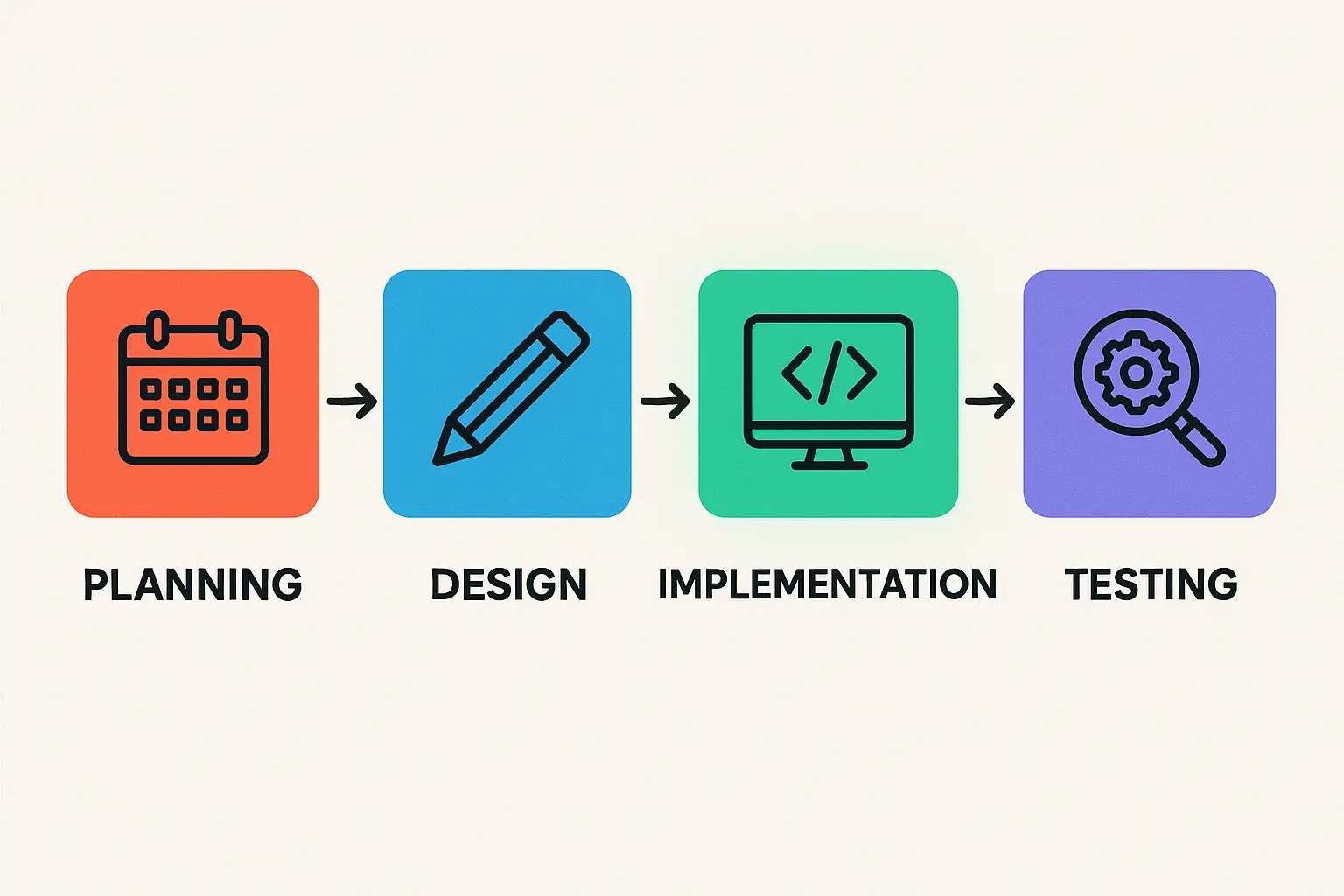
Transforming a one-time audit into a recurring revenue stream is a four-step process. The key is to deliver so much value in the audit that signing on for a retainer feels like the obvious next step.
Step 1: Package Your Audit as an Irresistible Offer
First, define your audit service. Don’t position it as a “free analysis,” which devalues your work. Instead, package it as a premium diagnostic tool at an accessible price point, such as $399 or $499.
Your “Website Health Check” or “SEO Opportunity Audit” should clearly include:
-
Technical Health Analysis: A deep dive into crawl errors, site speed, mobile-friendliness, and indexation issues.
-
On-Page SEO Scorecard: An assessment of title tags, meta descriptions, content structure, and internal linking.
-
Competitor Snapshot: A brief look at where they stand against their top one to two competitors.
-
Actionable Summary: A clear, easy-to-understand report (branded with your agency’s logo) that outlines the top three to five critical issues to fix.
Step 2: Deliver an Enterprise-Grade Report (Without the Enterprise-Level Work)
This is where many agencies get stuck. Executing a truly comprehensive audit is time-consuming and requires deep technical expertise. The secret to making this model profitable and scalable is leveraging a partner for fulfillment.
Using white-label SEO services allows you to deliver a world-class technical SEO audit under your own brand, without hiring a specialist or bogging down your team. Your partner does the heavy lifting in the background while you focus on the client relationship. The final report should be clean, professional, and easy for a non-expert to understand.

Step 3: The Review Call: Turning Data into a Deal
Never just email the report. This is the most critical step in the entire process. Schedule a 30-minute call to walk the client through the findings. This is your chance to connect the dots between technical issues and business outcomes.
Frame the conversation around their goals:
-
“You see this ‘slow page speed’ score? Industry data shows that a delay of just one second can reduce conversions by 7%. This isn’t just a technical problem; it’s a revenue problem.”
-
“We found over 50 ‘404 errors,’ or broken pages. This tells Google your site is poorly maintained, which hurts your rankings and creates a frustrating experience for potential customers who land on a dead end.”
The audit report provides the evidence. The review call provides the story.
Step 4: The Seamless Transition to a Retainer
As you wrap up the review, the transition should feel completely natural. You’ve identified the problems and explained their impact. The client’s next logical question is, “Okay, so how do we fix this?”
This is your moment.
- “Based on what we’ve uncovered, we’ve put together a 90-day plan to address these foundational issues and build your organic presence. It focuses on the key priorities from the audit, and it’s the first step in the strategy we recommend for achieving your business goals, like getting more qualified leads.”
The audit has already sold the need for your service. The retainer is simply the solution.
The Smart Way to Scale: Partnering vs. Hiring
As you start selling more audits, you’ll face a choice: hire an in-house SEO specialist or continue working with a partner? For most growing agencies, the answer is clear.
Building an in-house SEO team is slow, expensive, and risky. You have to account for salary, benefits, training, and expensive software subscriptions.
Partnering for SEO outsourcing for agencies offers a more agile and profitable path. It allows you to:
-
Scale on Demand: Take on one client or twenty without changing your headcount.
-
Access Instant Expertise: Leverage a team of seasoned specialists from day one.
-
Control Your Margins: Benefit from wholesale pricing and package the services for profitable resale.
-
Stay Focused on Growth: Keep your team focused on client strategy and relationships, not tedious technical execution.
A true partner acts as your invisible backend, giving you the power of a full-service SEO department without the overhead.
Frequently Asked Questions (FAQ)
How much should I charge for a standalone SEO audit?
Aim for a “no-brainer” price point that covers your partner’s fulfillment cost and leaves you with a healthy margin. For most agencies, this falls between $299 and $799. It’s low enough to be an impulse purchase for a serious business but high enough to establish value.
What if the audit doesn’t find many problems?
This is extremely rare. Nearly every website has underlying technical or on-page issues that can be improved. In the unlikely event a site is nearly perfect, the audit can pivot to a competitive gap analysis or highlight content strategy opportunities, both of which still pave the way for a monthly retainer.
How do I market this audit offer?
Start with your warm market. Offer it to past clients, existing clients in other service areas (like web design or PPC), and prospects who have gone cold. You can also feature it prominently on your website as a first step for any business looking to improve its online presence.
How do I know the white-label report will be high quality?
Look for a partner who is transparent about their process and can provide sample reports. A great partner delivers data and insights, making it easy for you to present the findings confidently. They should function as an extension of your own team.
Your Next Step to Predictable Client Growth
Stop selling. Start diagnosing.
By shifting your approach from chasing massive retainers to offering a high-value, low-risk SEO audit, you change the entire client acquisition dynamic. You build trust, demonstrate expertise, and create a natural, logical pathway to long-term, profitable partnerships.
This strategy doesn’t just get your foot in the door; it lays out a red carpet leading directly to the high-value retainers your agency needs to grow.