

You’ve been there. You pour hours into a beautiful content proposal, mapping out topics, detailing keyword research, and outlining a calendar that promises a steady stream of high-quality blog posts.
You present it to your client, feeling confident.
And then you hear it.
“This looks great, but… can we just start with two blogs a month and see how it goes?” Or worse: “We already have a blog. We just need some SEO tweaks.”
It’s a frustrating moment, not because the client is difficult, but because there’s a fundamental disconnect. They see “content” as a commodity—a line-item expense to be minimized. You see it as the heart of a modern growth strategy. The problem isn’t your proposal; it’s the frame. To win the budget and the buy-in, you need to stop selling blog posts and start selling a Unified Content Engine.
The Disconnect: Why Clients See Content as an Expense, Not an Asset
For years, the digital marketing world treated content like a task to be checked off: “Publish four blogs a month.” “Post on social media three times a week.” This approach has led to a digital wasteland where, according to a study by Ahrefs, a staggering 90.63% of content gets zero traffic from Google.
Clients instinctively know this. They’ve seen past efforts yield little to no return, which is why they’re skeptical. They’re stuck in a mindset of “Random Acts of Content,” where articles are isolated, disconnected, and fail to build momentum.
A Unified Content Engine, on the other hand, is an integrated system. It’s a strategic framework where every piece of content—from a deep-dive blog post to a single tweet—works together across multiple channels to attract, engage, and convert a target audience.
It transforms content from a recurring cost into a compounding business asset.
Your job isn’t to convince them to buy more content; it’s to show them why their old model is broken and how this new one builds lasting value.
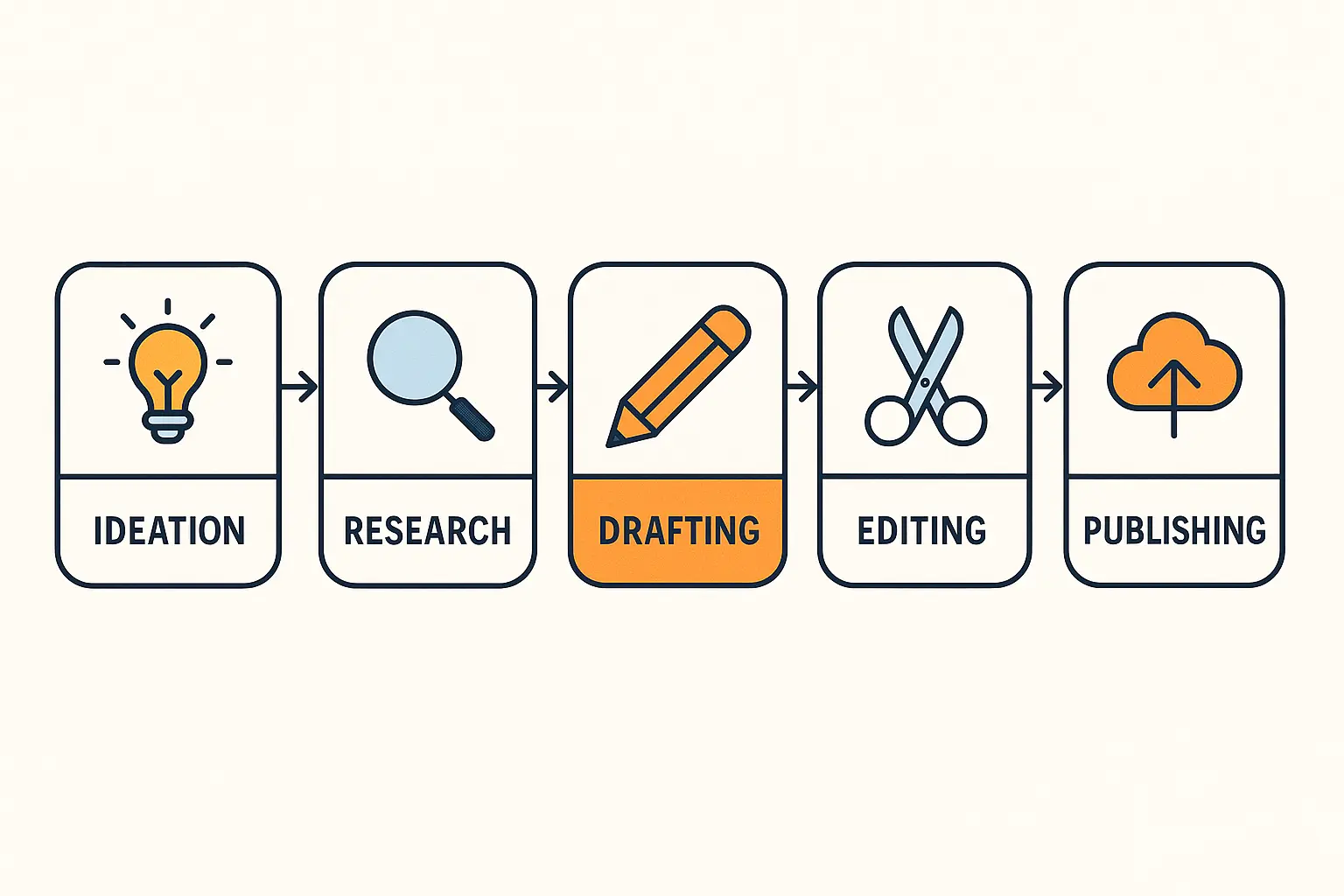
Building Your Business Case: Three Pillars for a Winning Pitch
Instead of focusing on deliverables like “four articles,” frame your pitch around strategic outcomes. These three pillars will help you shift the conversation from cost to investment.
Pillar 1: Reframe the Goal from “Rankings” to “Audience Ownership”
Clients often think of SEO as a dark art for tricking Google. The real goal is far more valuable: building a library of expertise that makes your client the undisputed authority in their niche.
Instead of saying, “We’ll rank you for these 10 keywords,” try this:
“Our goal is to build your digital authority so that you own the conversation around [Core Topic]. We’re not just chasing rankings; we’re building a trusted resource that your ideal customers will turn to for answers. This is about owning your audience, not just renting it through ads.”
This approach is a natural gateway to discussing topic clusters and semantic SEO. Explain that creating a comprehensive web of content around a central theme signals expertise to search engines. It’s the very strategy that drives long-term, sustainable traffic. For agencies looking to execute this at scale, partnering with a white-label SEO services provider can supply the necessary firepower without increasing overhead.
Pillar 2: Connect Content to Commerce with a Full-Funnel Approach
Many clients see content as serving only one purpose—usually top-of-funnel brand awareness. A Unified Content Engine serves the entire customer journey, from discovery to decision.
Use a simple visual or explanation to walk them through the stages:
Top of Funnel (TOFU): This is the “What is…” stage. Here, we create educational content that answers your audience’s initial questions. It builds trust and makes them aware of your brand as a helpful guide—a crucial step, since 60% of people are inspired to seek out a product after reading content about it.
Middle of Funnel (MOFU): This is the “How to…” or “X vs. Y” stage. The audience knows they have a problem and is now exploring solutions. Your content (comparison guides, case studies, webinars) helps them evaluate their options, positioning your client as the best choice.
Bottom of Funnel (BOFU): This is the “Why you…” stage. The content here is designed to convert, addressing final hesitations with demos, pricing pages, and implementation guides.
By mapping content to each stage, you connect it directly to commercial intent. You’re no longer just creating “blogs”; you’re building a system that nurtures prospects from curiosity to conversion.
Pillar 3: Showcase the “Content Multiplier” Effect
A common client objection is budget: “We can’t afford to create that much content.” This is where you reveal the true efficiency of a content engine: atomization.
Explain that a single, high-value piece of “pillar” content isn’t just one asset—it’s the fuel for dozens of others.
“We won’t just create one blog post. We’ll create one ‘content pillar’ that can be atomized into an entire campaign. For example, a 2,000-word guide can become:”
- 5 short-form videos for TikTok and Reels
- 10 insightful posts for LinkedIn and Twitter
- A 3-part email nurture sequence
- A visual infographic for Pinterest
- Key talking points for your sales team
This “Content Multiplier” maximizes the return on every creative effort. It’s also a cornerstone of modern omnichannel marketing. The results speak for themselves: data from Semrush reveals that omnichannel campaigns that integrate content marketing achieve an 18.96% engagement rate, while those that don’t see just 5.8%.
This approach transforms a simple content plan into a powerful, growth-focused SEO strategy that ties every channel together. You’re not asking for more budget; you’re showing them how to get 10x the value from the budget they have.
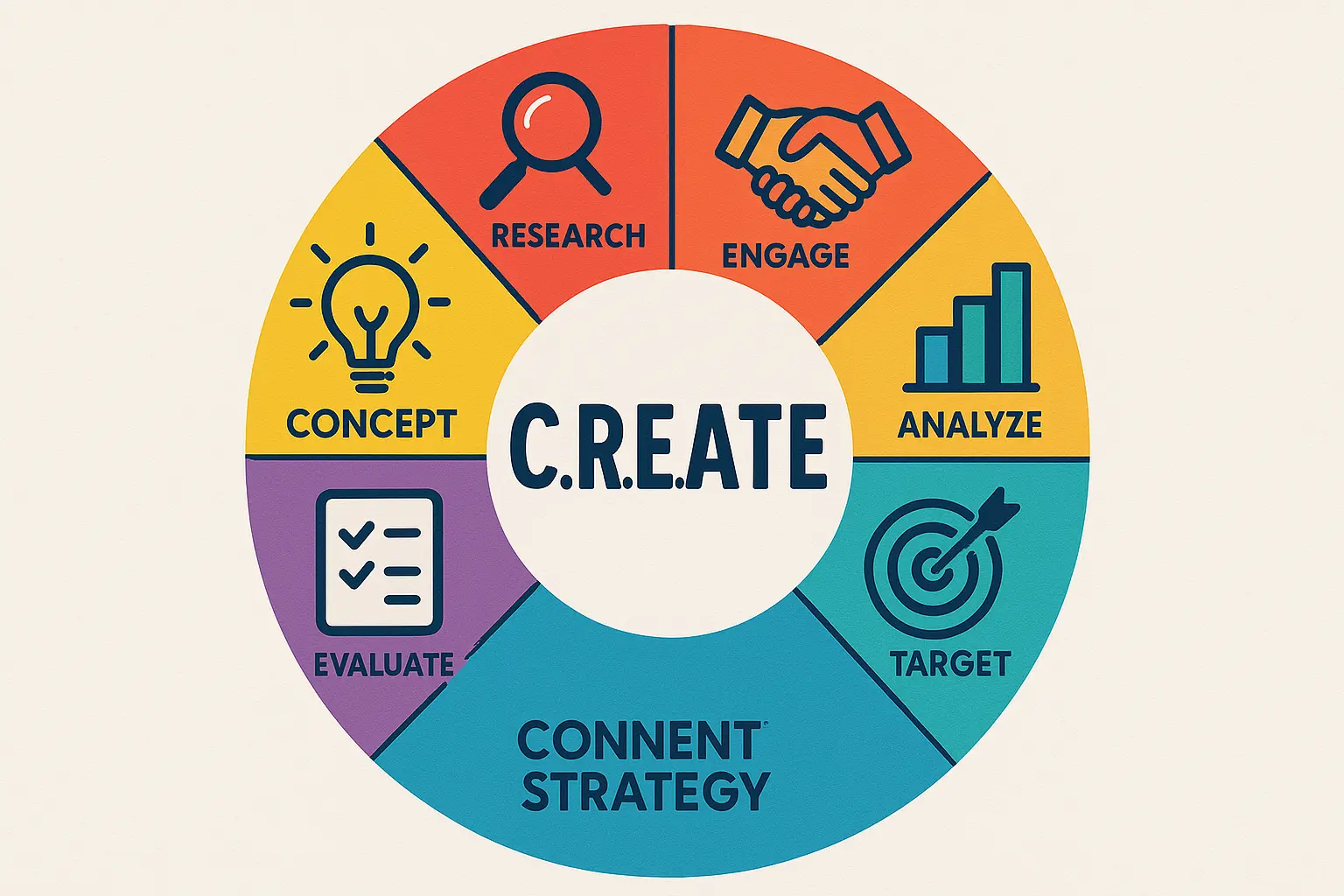
FAQ: Answering Your Client’s Toughest Questions
When you reframe your pitch, you’ll get different—and better—questions. Be ready with clear, confident answers.
“How long until we see results from this ‘engine’?”
“Building a true asset takes time. You’ll start seeing early indicators like improved keyword visibility and organic traffic within 3-6 months. But the real goal—a consistent flow of qualified leads—typically begins to materialize in 6-12 months. The good news is that unlike an ad campaign, this asset compounds. For instance, HubSpot research shows that compounding blog posts make up just 10% of all posts but generate 38% of all traffic. We’re building for that long-term, compounding growth.”
“How will we measure success if not just by rankings?”
“We’ll track rankings, but they are a leading indicator, not the end goal. Our primary success metrics will be tied to business outcomes:
- Growth in non-branded organic traffic: Are more people discovering you through the problems you solve?
- Share of Voice: Are we becoming the dominant voice for our target topics?
- Pipeline Influence: How many leads and conversions has our content influenced?
- Asset Value: What is the equivalent paid media cost of the organic traffic we’re generating?”
“This sounds great, but can’t we just use AI to write all this for cheaper?”
“That’s an excellent question, and it highlights a key part of our strategy. We view AI as a powerful co-pilot, not the pilot. Relying solely on AI produces generic, soulless content that fails to build trust or convert. Our approach combines AI-driven efficiency with human expertise. We leverage AI-powered SEO automation for data analysis, initial drafting, and scaling production, but our human strategists oversee the entire process. They ensure every piece of content is infused with your unique brand voice, customer insights, and the strategic nuance required to win. AI gives us speed; our expertise gives us impact.”
From Pitch to Partnership
By shifting your pitch from “selling content” to “building a Unified Content Engine,” you elevate the conversation. You’re no longer a vendor fulfilling a line item; you’re a strategic partner architecting a growth asset. You’re showing clients not what they asked for, but what they actually need to succeed in today’s crowded digital landscape.
This approach requires more upfront education, but it builds a foundation of trust that leads to larger budgets, longer retainers, and—most importantly—truly transformative results for your clients.