
Imagine two marketing agencies running nearly identical Google Ads campaigns for two different clients. Both target the same keywords, use similar ad copy, and have well-designed landing pages.
Agency A’s campaign is a constant struggle. The Cost Per Acquisition (CPA) is stubbornly high, click-through rates are mediocre, and conversions are a grind.
Agency B’s campaign, however, is flying. Its CPA is low, ads are winning top spots, and customers are converting at a fraction of the cost.
What’s the invisible force giving Agency B such a massive advantage? It’s not a secret bidding strategy or a clever line of ad copy. It’s something far more fundamental: strong brand signals.
For too long, marketers have treated brand-building and performance marketing as separate disciplines—one for “awareness,” the other for “results.” But in today’s digital ecosystem, that’s a dangerously outdated view. A strong brand is the most powerful performance driver you have. It’s the engine that makes all your other marketing efforts—especially paid ads—run cheaper, faster, and more effectively.
What Are Brand Signals, Really? (And Why They’re Not “Fluffy”)
Let’s get one thing straight: brand signals aren’t just about having a cool logo or a catchy tagline.
Think of them as the digital breadcrumbs that prove your business is a legitimate, trusted, and authoritative entity. They are the sum of every interaction and impression people have with your brand online. When someone searches for your company by name, reads a positive review, or sees you mentioned in an industry article, they’re encountering a brand signal.
These signals are critical because trust is the currency of the internet.
-
Research from Nielsen shows a staggering 92% of consumers trust earned media (like reviews or word-of-mouth) more than traditional advertising.
-
The Edelman Trust Barometer confirms this, finding that 81% of consumers say they need to trust a brand to buy from it.
When your brand signals are weak or non-existent, every click you pay for is a cold introduction. You’re asking a stranger for their trust and their money at the same time. When your signals are strong, you’re welcoming a visitor who already knows and likes you. That’s a fundamentally different conversation.
Breaking Down the Silos: The Brand Signal Flywheel
The biggest mistake marketers make is viewing their channels in isolation. The SEO team works on rankings, the PPC team buys clicks, and the social media team posts updates. But these channels are all part of a single, interconnected system with brand as the central gear.
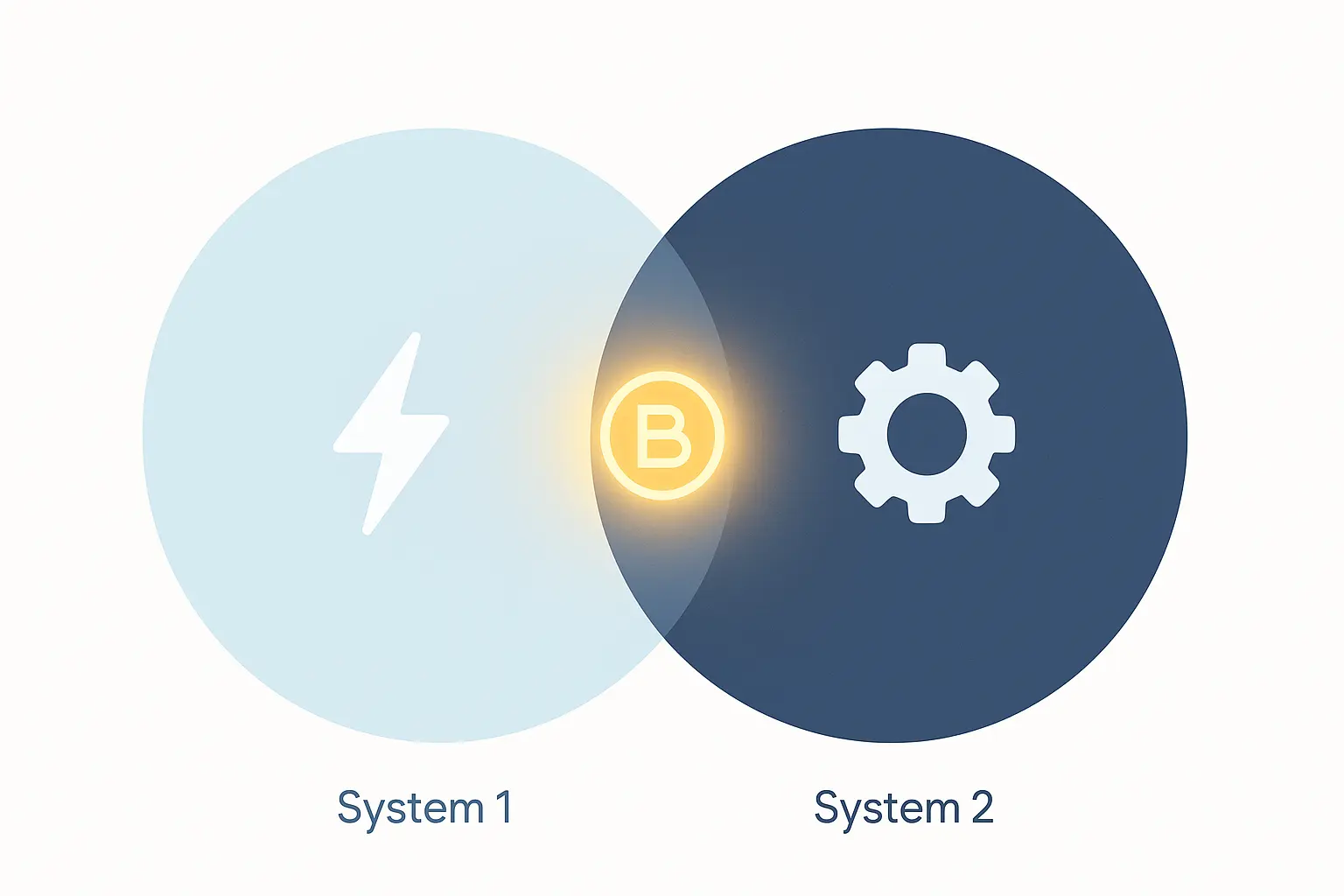
This creates a powerful flywheel effect:
-
SEO Builds Authority: Great content and technical SEO make you visible in organic search. People find you when they’re actively seeking solutions, establishing your credibility from the first touchpoint.
-
Authority Creates Awareness: As you rank for more terms and earn more visibility, more people become aware of your brand and begin to recognize your name.
-
Awareness Fuels Direct Interest: People who recognize you start searching for you directly—a “branded search.” This is one of the strongest signals you can send to Google.
-
Interest Amplifies Social Proof: Happy customers leave reviews. Industry experts mention you. Your social media channels grow. This creates a chorus of validation that new prospects can see.
-
Social Proof Supercharges Paid Ads: Now, when a user sees your paid ad, they don’t just see an offer—they see the culmination of all these signals. They’re more likely to click because they already trust you.
This isn’t a linear path; it’s a continuous loop. Stronger SEO improves paid ad performance, and a great paid experience can lead someone to follow you on social media, further strengthening the cycle. This integrated approach is the foundation of modern omnichannel campaigns.
The Direct Link: How Brand Trust Supercharges Your Google Ads
So, how does this “trust” translate into a lower CPA? It comes down to one of the most important but often misunderstood metrics in Google Ads: Quality Score.
Quality Score is Google’s rating of the quality and relevance of your keywords and ads. It’s a major factor in determining your ad rank and how much you pay per click. A higher Quality Score means a lower cost. In fact, Google states that for every point your score is above the average of 5, your CPA can decrease by up to 16%. A score of 10 could lower your CPA by 50%.
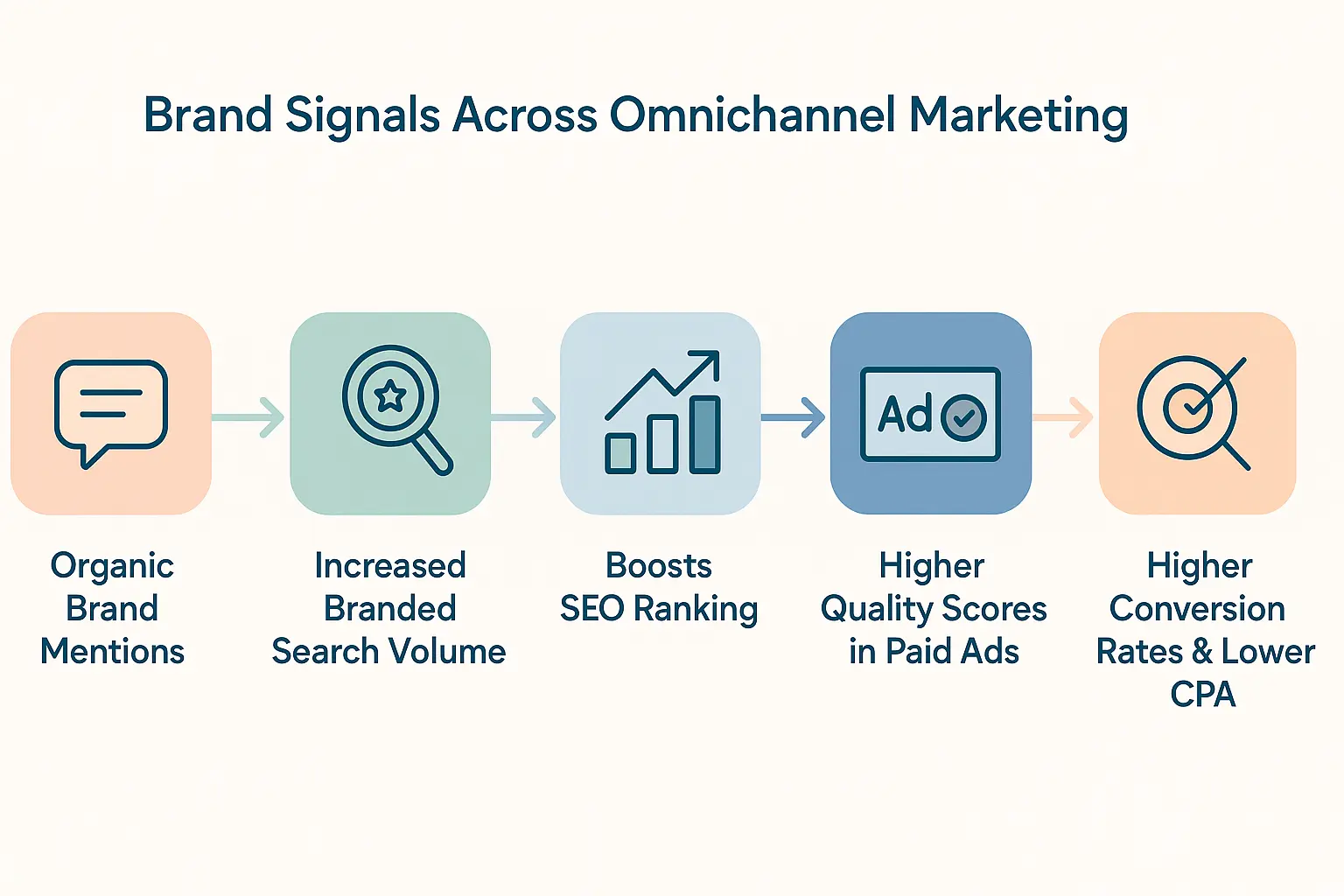
Strong brand signals directly influence two of the three main components of Quality Score:
-
Expected Click-Through Rate (CTR): This is Google’s prediction of how likely someone is to click your ad. If users recognize your brand—from organic search, a social post, or a review site—they are far more likely to click your ad than a competitor’s. Research from MarketingCharts shows that brand familiarity can lift ad CTRs by 2-3x. A higher predicted CTR leads to a higher Quality Score.
-
Landing Page Experience: When a user who already trusts your brand clicks your ad, they arrive on your landing page with a positive mindset. They are more likely to stay, engage, and convert. This behavior—low bounce rates, high time-on-page—signals a great landing page experience to Google, boosting your Quality Score even further.
Weak brand signals do the opposite. Low brand recognition leads to a lower CTR. Untrusting visitors land on your page, feel uncertain, and leave. Google sees this, lowers your Quality Score, and forces you to pay more for every single click just to stay visible.
Beyond the Click: Converting Trust into Customers
Getting a cheaper click is only half the battle. The real goal is conversion, and that’s where a holistic view of the search engine results page (SERP) becomes so important.
According to a study by Google and Ipsos, 53% of shoppers say they always do research before they buy. When they search for your brand, what do they find?
Do they see a confident, unified presence like this?
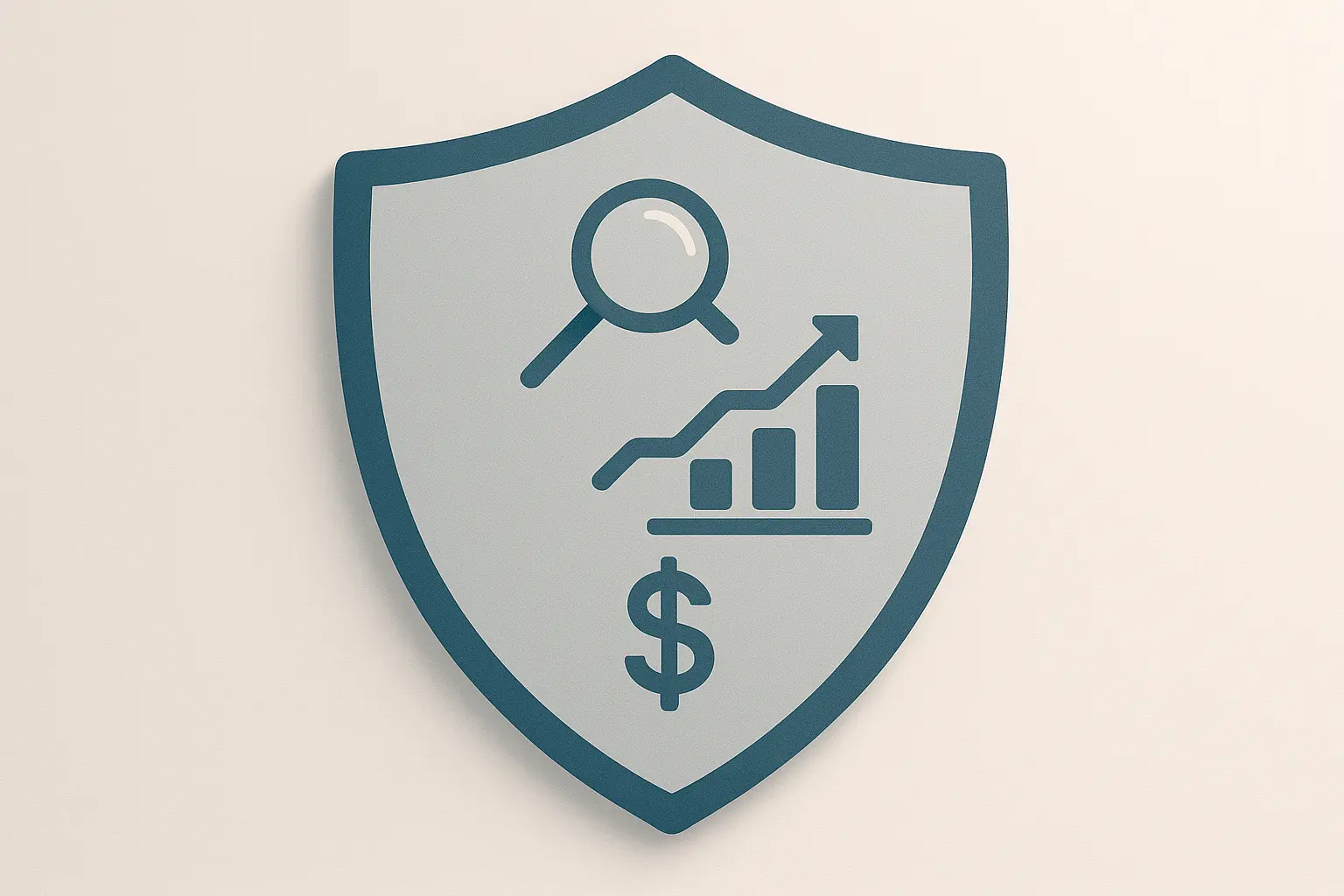
This is what authority looks like. You own your organic ranking, your Google Business Profile is full of positive reviews, and your paid ad reinforces your message. The user is surrounded by proof that you are the right choice.
Now consider the on-page experience. We know from BrightLocal that 87% of consumers read online reviews for local businesses. When you feature testimonials, case studies, and trust badges on your landing page, you’re not just decorating—you’re activating all the brand equity you’ve built. The visitor isn’t being sold to; they’re being reassured that they’re making a smart decision.
This pre-built trust is why conversion rates are consistently higher for brands with strong digital footprints. The conversion doesn’t start on the landing page; it starts with the first positive signal a customer encounters.
Simple Ways to Start Strengthening Your Brand Signals
You don’t need a Super Bowl budget to build a trusted brand. You can start today by focusing on the fundamentals.
-
Champion Your Reviews: Actively encourage happy customers to leave reviews on Google, G2, Capterra, or whichever platform is relevant to your industry. Respond to all reviews, both positive and negative, to show you’re engaged.
-
Create Genuinely Helpful Content: Go beyond targeting keywords to create content that solves real problems for your audience. This builds authority and earns natural backlinks and social shares, which are powerful brand signals. Investing in a white-label SEO program is one of the most effective ways to scale this process.
-
Ensure Cross-Channel Consistency: Your brand name, logo, and core messaging should be consistent across your website, social profiles, and ad campaigns. Inconsistency creates confusion and undermines trust.
-
Calculate the Real Impact: Don’t just track clicks and conversions. Start measuring branded search volume and organic visibility as key performance indicators. Understanding and calculating the ROI of these efforts will show you just how valuable brand-building is to your bottom line.
Frequently Asked Questions (FAQ)
What’s the difference between branding and brand signals?
Branding is the active process of shaping your brand’s identity (logo, messaging, values). Brand signals are the tangible, measurable evidence of your brand’s reputation online (reviews, search volume, mentions). Branding is what you say you are; brand signals are what the world says you are.
How long does it take to see an impact on CPA?
Building brand authority is a long-term strategy, not a quick fix. However, you can often see incremental improvements in Quality Score and CTR within a few months of consistent effort, especially if you focus on low-hanging fruit like generating reviews. The flywheel effect means the results will accelerate over time.
Can small businesses or new brands build strong signals?
Absolutely. In fact, it’s even more critical for them. A new business can build trust quickly by dominating a niche. Focus on getting your first 10-20 five-star reviews, publishing expert content on one specific topic, and engaging deeply with a small community on social media. Authenticity and focus are more important than budget.
Is this just about SEO?
No. While SEO is a major component, it’s not the whole story. A great customer service experience that leads to a positive review is a brand signal. A helpful interaction on social media is a brand signal. An insightful guest post on an industry blog is a brand signal. It’s about creating a positive, consistent experience everywhere your brand appears.
Your Next Step: From Awareness to Action
Investing in your brand’s digital presence isn’t a “soft” marketing activity—it’s a direct, measurable lever for improving the performance of every dollar you spend on advertising. By building trust, you create a moat around your business that competitors can’t cross with a bigger ad budget.
Stop looking at your channels in isolation and start seeing them as a single, brand-driven growth engine. When you do, you’ll unlock a more sustainable, profitable, and defensible way to grow.