
Your client forwards you a screenshot from a popular AI chatbot. The chatbot’s answer to a key industry question is detailed, confident… and citing their biggest competitor as the source.
“Why them and not us?” the email asks. “I thought our SEO was strong.”
This is the new battleground. For years, agencies have mastered the art of ranking on a search results page. But in an era of generative AI answers, simply ranking is no longer enough. The ultimate goal has shifted from being found to being cited.
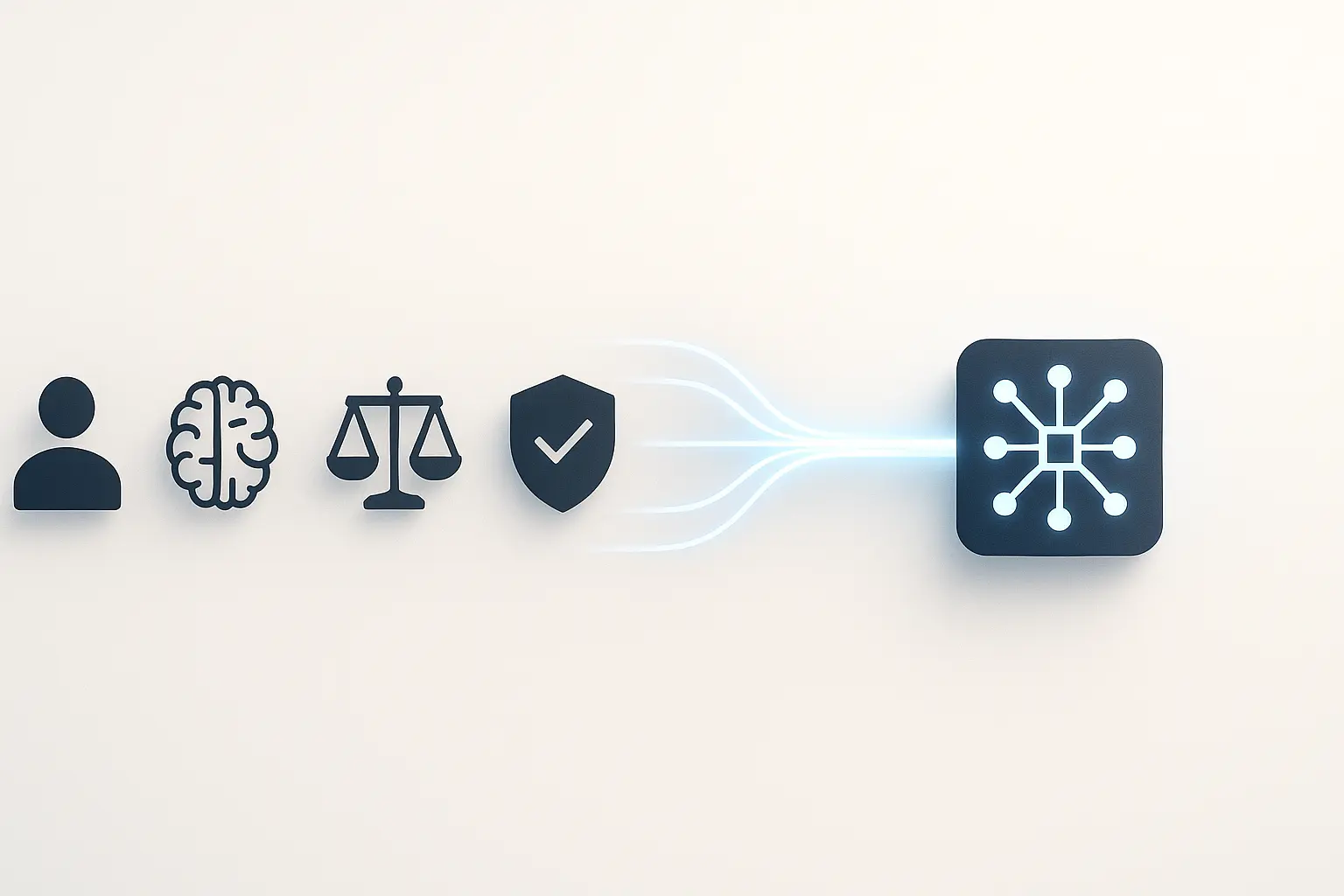
Welcome to the AI Citation Pipeline: a strategic process for structuring your content so that Large Language Models (LLMs) like those powering Google’s SGE and ChatGPT don’t just see your content—they trust it, learn from it, and present it as a definitive source. It’s about translating the human-centric principles of E-E-A-T (Experience, Expertise, Authoritativeness, Trustworthiness) into a language machines are built to understand.
From Human Raters to AI Models: Translating E-E-A-T for Machines
The good news is that the foundation you’ve built with E-E-A-T is more critical than ever. The bad news? LLMs don’t “feel” trust or “sense” authority. They calculate it. They scan for patterns, structured data, and verifiable signals that together form a mosaic of credibility.
This shift isn’t some distant future; it’s happening now. Research shows that over 77% of executives believe AI will significantly transform their industry within three years. For marketing and SEO agencies, that transformation is already here, changing how we prove value. Our job is to deliberately embed machine-readable trust signals into every piece of content.
Here’s how each element of E-E-A-T translates from a human concept into a machine-verifiable signal:
Experience (E) → Verifiable First-Hand Accounts
For Humans: A compelling story from a seasoned professional.
For Machines: First-person statements (“In my 20 years as a supply chain analyst…”) paired with a structured author bio that links to a real, credentialed person (e.g., a LinkedIn profile or university page).
Expertise (E) → Unique, Structured Data
For Humans: An insightful article with helpful statistics.
For Machines: An article presenting original research or unique data points formatted in a simple, machine-readable HTML table. LLMs can easily parse tables to pull out specific figures, making them highly citable. Content with data and statistics is perceived as more trustworthy by both humans and the algorithms that model human behavior.
Authoritativeness (A) → A Web of Connected Entities
For Humans: A recommendation from a respected industry figure.
For Machines: Consistent organizational schema markup, backlinks from other authoritative sites, and clear references to and from known experts in the field. The AI is looking to place your content within a known constellation of authoritative sources.
Trustworthiness (T) → Transparent Sourcing and Identity
For Humans: A professional website with clear contact information and sources for its claims.
For Machines: Outbound links to reputable, primary sources (like academic studies or government data). Clear and easily accessible “About Us,” “Contact,” and author pages that confirm you are a real, accountable organization.
The Blueprint: 4 On-Page Structures to Build Your AI Citation Pipeline
Knowing the theory is one thing; implementing it is another. Here are four specific, actionable structures you can build into your clients’ content to make it a compelling source for AI models.
1. The Expert Call-Out Box
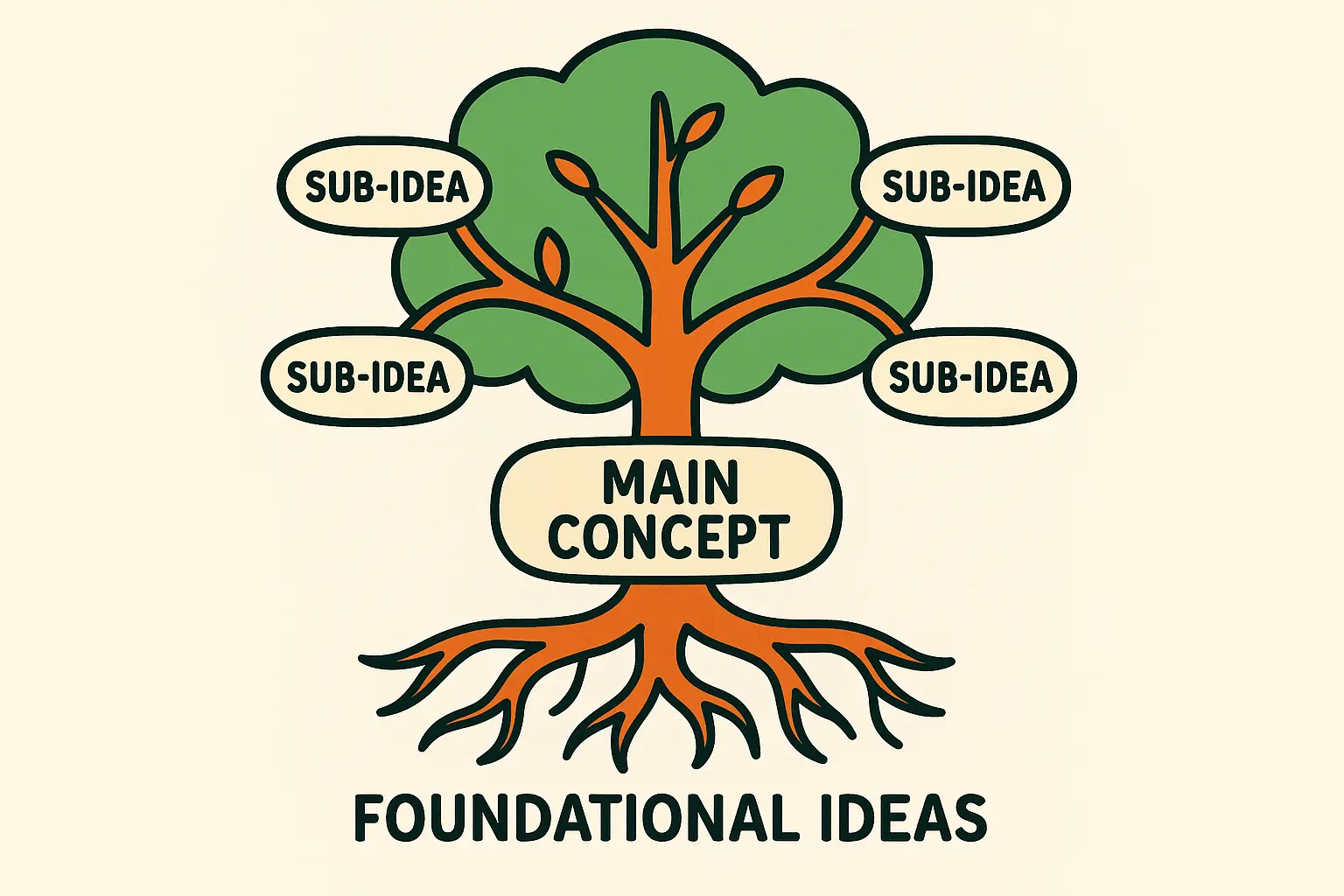
Instead of just weaving quotes into a paragraph, isolate them. An Expert Call-Out Box is a visually and structurally distinct element that explicitly attributes an insight to a named individual. It contains their quote, name, title, and a link to their full bio.
For an AI, this structure is a goldmine. It’s a clear, self-contained unit that says: “This specific piece of information comes from this verifiable human expert.”
2. The Machine-Readable Data Table
If your client has unique data—from an internal survey, proprietary research, or even a compilation of public information—the single best way to present it is in an HTML table. Avoid creating tables as images, as AI cannot parse the text.
A simple, well-structured table allows an LLM to “lift” the data cleanly and use it to answer a user’s query, often with a direct citation back to the source. This is a core component of a modern white-label SEO strategy because it creates a durable, citable asset. Remember, structured data (like schema markup and tables) helps search engines understand content context and entities.
| Feature | Competitor A | Competitor B | Our Client |
|---|---|---|---|
| Processing Speed | 2.1s | 1.8s | 0.9s |
| Integration Cost | $5,000 | $4,500 | $3,000 |
| Support Rating | 4.2/5 | 4.1/5 | 4.9/5 |
3. The “Key Statistics” Summary
At the top of a data-heavy article, create a scannable summary of the most important takeaways. This acts as an executive summary for both busy humans and information-hungry LLMs. Each statistic should be concise and, where possible, link to its source.
This gives the AI a quick path to the most valuable, citable information on the page without having to parse the entire text.

4. The Linked Author Bio
An author’s name at the top or bottom of a post is no longer enough. You need to connect that name to a real-world entity. A comprehensive author bio should include:
- A brief summary of their experience and credentials.
- Links to their professional social profiles (especially LinkedIn).
- Links to other authoritative publications they’ve written for.
This tactic is a powerful way for an agency SEO partner to establish topical authority across a client’s entire website, turning writers into recognized and trusted entities in the eyes of AI.

The Agency Opportunity: Why This Matters for Your Clients
Most businesses are still chasing keywords and backlinks. The agencies that thrive in the next decade will be the ones that can build and articulate the value of the AI Citation Pipeline. This is the new frontier of thought leadership.
It represents a move from temporary rankings to permanent authority. When your client becomes a cited source in an AI-generated answer, they are no longer just one of ten blue links—they are the answer. The opportunity is immense. Research suggests that generative AI could automate up to 70% of business activities by 2030, adding trillions in value. By optimizing for this new paradigm, you position your clients to capture a piece of that value.
This requires a systematic approach, one that blends technical precision with deep content strategy. It means building a scalable process to identify citable data, connect with verifiable experts, and structure every piece of content for machine readability.
Frequently Asked Questions about E-E-A-T and AI Citation
Isn’t this just good SEO?
Yes and no. It’s built on the foundations of good SEO, but it requires a deliberate focus on machine readability and entity verification. The difference is in the execution—prioritizing structured data, explicit expert attribution, and linked author profiles over more traditional signals.
How long does it take for an LLM to start citing my content?
There’s no fixed timeline. It depends on factors like the LLM’s data refresh cycle, your website’s overall authority, and the uniqueness of your information. The key is consistency. Building a library of citable, well-structured content over time is what establishes you as a trusted source.
Does this replace keyword research?
Not at all. It complements it. Keyword research tells you what questions your audience is asking. The AI Citation Pipeline provides the framework for ensuring your content becomes the definitive, cited answer to those questions.
Can’t I just use an AI writer to create all my content?
AI writers are excellent tools for drafting and ideation, but they can’t create the unique, primary data or provide the genuine, first-hand experience that forms the bedrock of trust for both humans and AI models. The most effective strategy combines AI-assisted workflows with human expertise and original research.
From Content Creator to Definitive Source
The digital landscape is shifting under our feet. Search is evolving from a list of links to a conversation that provides direct answers. For agencies, the mission is clear: help your clients lead that conversation.
By systematically building an AI Citation Pipeline, you move beyond the game of rankings and start building true, lasting digital authority. You transform your clients from simple content creators into the definitive sources that both users and AI turn to.
As you explore how to implement this for your clients, the next step is understanding how to do it at scale. To learn more about how leading agencies are scaling these advanced tactics, explore our complete guide on white-label SEO for agencies.