

You’re staring at a ranking report, and something feels… off. Your client’s site is sitting at a comfortable number three for a high-value keyword, yet their organic traffic is flat. Meanwhile, a client forwards you a screenshot from their phone with a question: ‘My competitor is all over this AI answer at the top of Google. Why aren’t we?’
If this scenario feels familiar, you’re not alone. The digital yardstick we’ve used for two decades—the simple keyword ranking—is becoming a less reliable measure of success. We’re in a new era of search driven by AI, entities, and answers, and the old dashboards simply can’t keep up.
The game is no longer about winning a list of blue links. It’s about becoming the recognized authority on a topic, earning visibility in AI-generated answers, and owning the conversation wherever it happens. This guide is your map for navigating this new terrain. We’ll explore this fundamental shift, define the new KPIs that actually move the needle, and provide a framework for choosing the tools your agency needs to win today.
The Big Shift: Why Your Old SEO Dashboard Is Lying to You
For years, SEO was a relatively straightforward equation: find the right keyword, create a page for it, and build links until you ranked. The search engine results page (SERP) was a predictable, linear list. That reality is fading fast.
Today, search engines like Google are transforming into ‘answer engines.’ Their goal isn’t just to provide a list of documents but to deliver a direct, comprehensive answer. This is powered by a deeper understanding of the world through entities—the real-world people, places, concepts, and things your content is about, not just the strings of text used to find them.
Think of it this way:
- Old SEO: Focused on the keyword ‘best coffee makers.’
- New SEO: Focuses on establishing authority for the entity ‘coffee makers,’ including its attributes (drip, espresso, French press), related concepts (grinders, beans, brewing methods), and user questions (‘how to clean a coffee maker’).
This evolution is most apparent in the rise of AI-driven features like Google’s AI Overviews and platforms like Perplexity. These tools synthesize information from multiple trusted sources to generate a single, conversational answer, often pushing traditional blue links further down the page.
As a result, a significant portion of searches now end in a ‘zero-click’ interaction, where users get their answer without ever visiting a website. Your old rank tracker sees none of this.

This shift demands a new perspective. Tracking only keyword positions means you’re measuring the past, leaving you blind to your visibility—or lack thereof—in the very formats that are becoming your audience’s primary touchpoint.
The New KPIs: What to Track When Rankings Aren’t Enough
So, if a number three ranking isn’t the whole story, what should agency leaders be measuring? Success in the AI era is defined by a new set of key performance indicators (KPIs) that reflect authority, trust, and presence within the SERP itself.
-
Entity Visibility
This is the foundational metric. It answers the question: ‘Does the search engine recognize my client as an expert on the core topics that drive their business?’ Instead of tracking hundreds of long-tail keywords, you track your share of voice for the overarching entity. High entity visibility means you’re seen as a go-to resource, making you more likely to be featured in everything from ‘People Also Ask’ boxes to AI-generated summaries. -
SERP Feature Ownership
A modern SERP is a mosaic of features: Featured Snippets, Knowledge Panels, Video Carousels, Image Packs, and AI Overviews. Owning this real estate is often more valuable than a simple organic link. Tracking your ownership percentage across these features gives you a true measure of your topical dominance and is a critical component of modern omnichannel SEO strategies for building a commanding and holistic digital presence. -
Answer Engine Presence
This is the cutting edge. The key question here is: ‘Is our content being used and cited as a source in AI-generated answers?’ Being featured here is a powerful signal of trust and authority. While direct tracking is still emerging, tools are beginning to offer solutions to monitor when your brand is mentioned or your content is referenced within these conversational results.
Focusing on these KPIs changes the conversation with clients from ‘Where do we rank?’ to ‘How visible and authoritative are we?’—a much more strategic and valuable discussion.
Evaluating the AI-Era SEO Toolkit: A Comparative Guide
The moment you realize your legacy tools are insufficient, you face a new challenge: a market flooded with platforms all claiming to be ‘AI-powered.’ How do you separate the essential from the experimental?
A modern SEO tool needs to be evaluated against criteria built for today’s challenges, not yesterday’s. Here’s a framework for your agency:
- Entity & Topic Tracking: Does the tool move beyond simple keyword lists? Can it analyze your content’s topical depth and map your visibility for core business concepts (entities)?
- SERP Landscape Analysis: How well does it track the full spectrum of SERP features? Can you monitor your share of voice in Featured Snippets, PAA, and other non-traditional formats?
- AI & Answer Engine Monitoring: Does the platform offer any way to track your inclusion in AI Overviews or other generative AI results? This is an emerging feature, but it’s becoming non-negotiable.
- Agency-Friendliness: Is the tool built for scale? Does it offer white-label reporting, API access for integration with your existing dashboards, and a pricing model that grows with your agency?
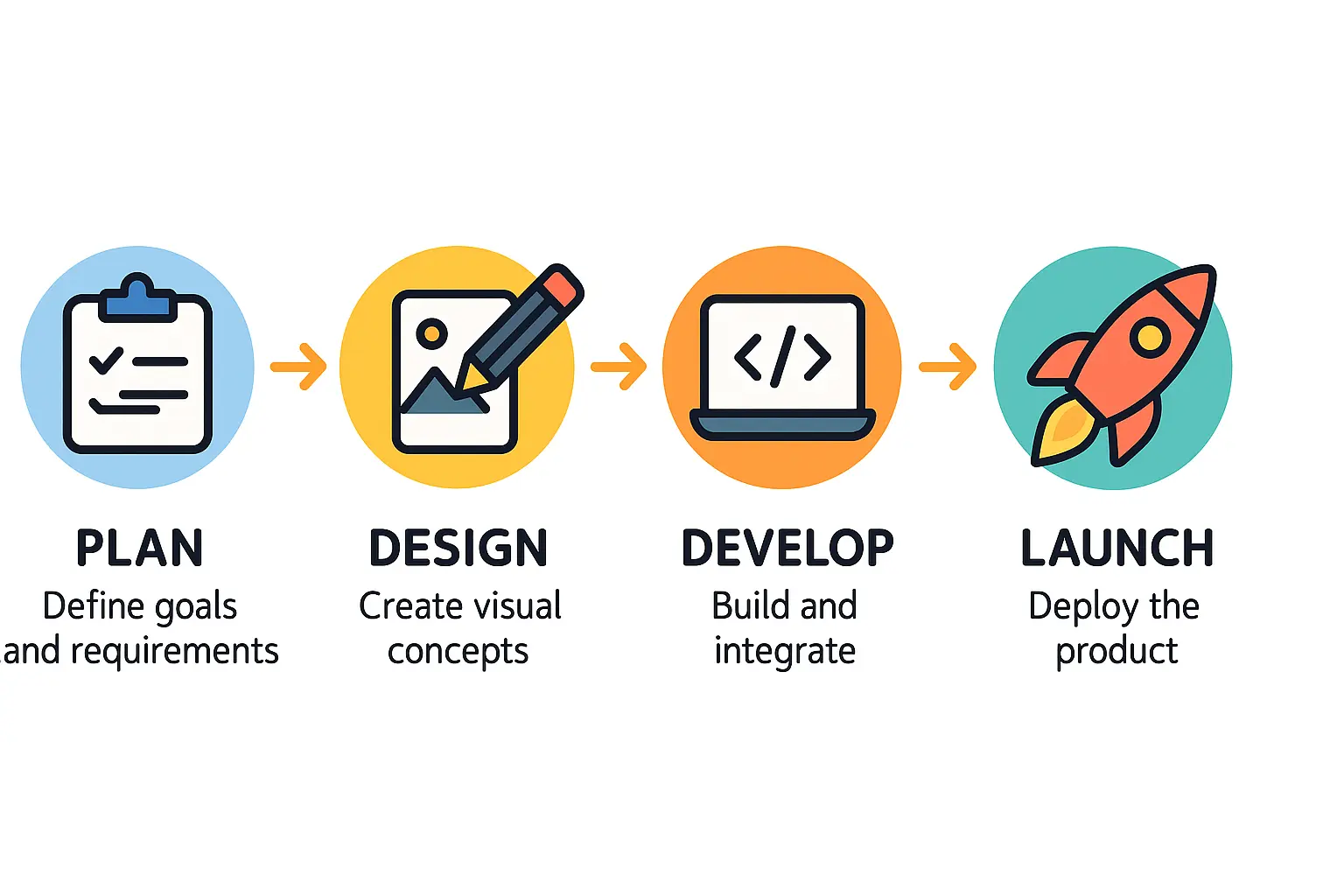
When evaluating tools using a scorecard like the one above, you’re not just buying features; you’re investing in insight. The right platform gives you a clear, data-backed picture of your performance in the areas that now matter most. Navigating this complex vendor landscape is a major hurdle for many agencies. Working with an agency SEO partner can provide the expertise to vet, select, and implement the right technology without costly trial and error.
Building Your Agency’s Modern SEO Stack
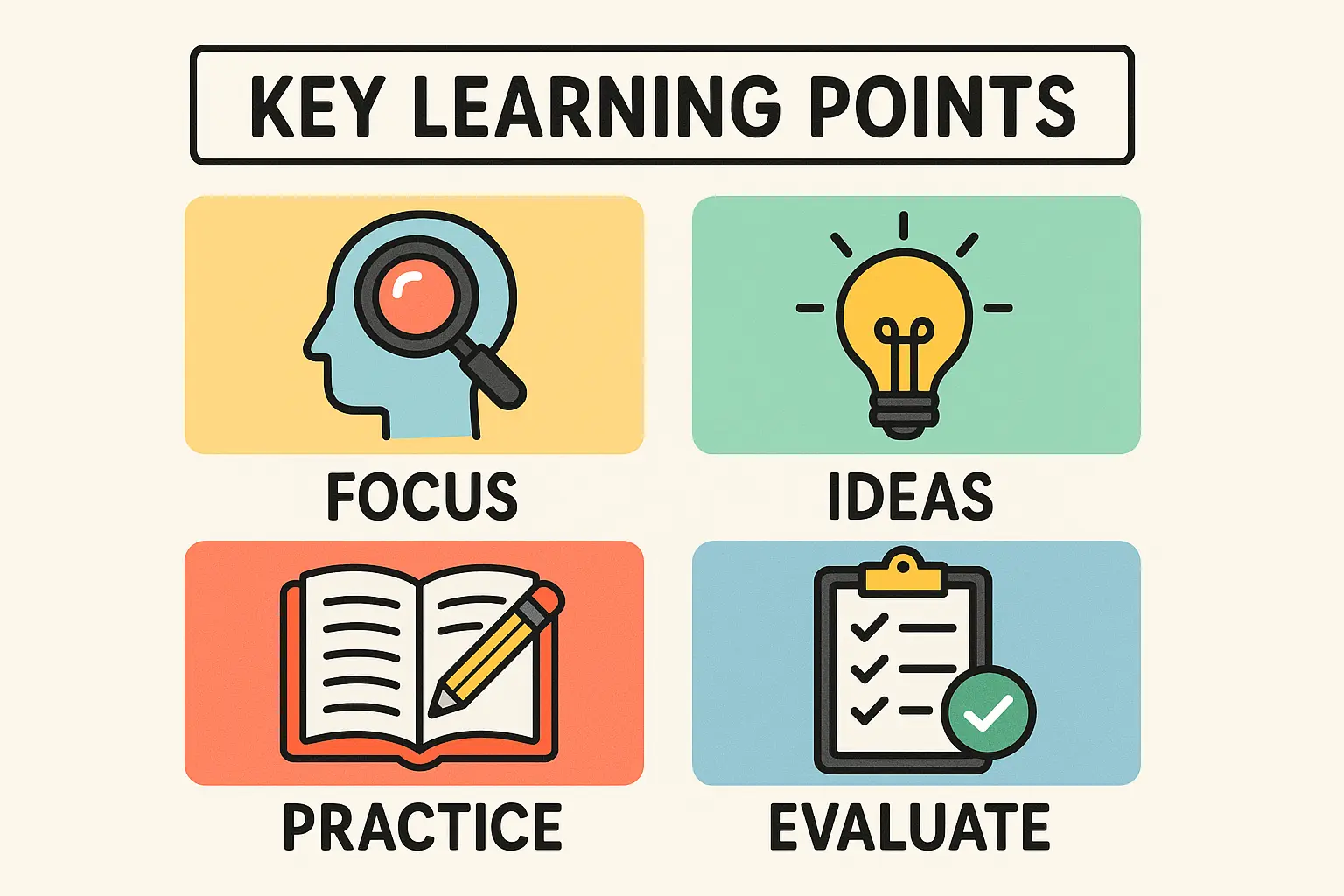
No single tool can do it all. The goal is to build a cohesive stack—a set of technologies that work together to give you a complete picture of performance. A modern, AI-era SEO stack typically includes three core pillars.
-
Entity Intelligence Platforms: These are your strategic foundation. They help you understand how search engines perceive topics, identify content gaps, and analyze the competitive landscape based on topic authority, not just keyword overlap.
-
Content Automation & Optimization Tools: Once you know what to write about, these tools help you do it at scale. They leverage AI to generate data-driven content briefs, optimize drafts for topical relevance, and ensure your content comprehensively covers a subject.
-
Performance Analytics & Reporting: This is where you track the new KPIs. These platforms monitor your SERP feature ownership, entity visibility, and, increasingly, your presence in answer engines, rolling it all into client-friendly, white-labeled reports.
The key isn’t to have the most tools, but to have the right tools that integrate seamlessly, providing a unified view that connects your strategic efforts with measurable business outcomes.
Your Questions on AI-Era SEO Tools, Answered
What exactly is an ‘entity’ in SEO?
Think of an entity as a unique, well-defined concept or thing that Google understands—like a person (Elon Musk), a place (Paris), a brand (Nike), or a concept (machine learning). SEO is shifting to optimize content around these real-world entities, not just the words people use to search for them.
Can I still use my old rank tracker?
Yes, but consider it a supplementary metric. Keyword rankings can still be useful for diagnosing specific issues or tracking a core set of ‘money’ terms. But it shouldn’t be your primary measure of success anymore. It’s one data point in a much larger, more complex picture.
How do I prove ROI with these new metrics?
You connect them to business value. Increased SERP feature ownership leads to higher click-through rates and more qualified traffic. Greater entity visibility builds brand authority and trust, which impacts conversions across all channels. Being cited in an AI answer positions your client as the definitive authority, generating high-intent traffic and leads.
Is building a modern SEO stack going to be expensive for my agency?
It’s an investment, but the cost of not adapting is far greater. Sticking with outdated tools means you’re flying blind, unable to demonstrate true value or compete effectively. You can build a stack incrementally or partner with a white-label provider who already has the technology and expertise, giving your team access to an enterprise-level toolkit without the upfront cost.
How does Answer Engine Optimization (AEO) differ from traditional SEO?
AEO is an evolution of SEO. It’s a specialized subset focused on structuring your content and data to be easily understood, verified, and cited by AI-powered answer engines. It involves many of the same principles as good SEO—authority, clarity, factual accuracy—but with a technical focus on schemas and structured data that AI models can readily consume.
From Overwhelmed to Empowered: Your Next Step
The world of search is undergoing its most significant transformation in a decade. While this pace of change can feel daunting, it presents a massive opportunity for agencies that adapt. By shifting your focus from chasing keywords to building topical authority, you can deliver more resilient, impactful, and defensible results for your clients.
This journey starts with understanding. It means embracing the shift to entities, redefining success with modern KPIs, and building a technology stack that gives you a clear view of the new landscape.
Navigating this new toolset can be complex, and you don’t have to do it alone. If you are ready to discuss your agency’s tech stack and explore how to align your services with the demands of AI-era SEO, our team is here to help you build a roadmap for the future.