

Imagine: you’re in a quarterly review with your client. Things are going great—rankings are up, traffic is climbing. Then, your client shares their screen. They’ve typed their brand name into Google, and the new AI Overview at the top is confidently describing their flagship product… while citing their biggest competitor as the source.
The room goes quiet. The conversation shifts from celebrating wins to managing a crisis.
This isn’t just a scare tactic; it’s the new reality for agencies in the age of generative search. AI Overviews are rapidly becoming the de facto “answer” for users, and when they get your client’s story wrong, the damage is immediate. These summaries carry an implicit authority that a simple blue link never did.
But here’s the good news: these errors aren’t random. They’re symptoms of a deeper issue in the data the AI is reading. By understanding how to diagnose the source, you can create a repeatable playbook to correct the narrative and build a more resilient brand for your client.
The AI Detective: Tracing the Source of Misinformation
Before you can fix the problem, remember: an AI model isn’t “thinking.” It’s a sophisticated synthesis engine, weaving together information from countless sources across the web to generate what it believes is the most helpful summary.
When it misrepresents a brand, it’s because it found conflicting, unclear, or incorrect information along the way. Your first job is to become a detective and trace the error to its source.
Here’s a simple diagnostic workflow you can use every time:
-
Analyze the Obvious Clues (The Citations): Most AI Overviews include links to their source material. Click every single one. Are they reputable publications, outdated blog posts, user-generated forum comments, or a competitor’s website? This is your ground zero. Often, the misrepresentation is stated plainly in one of these sources.
-
Dig for Hidden Evidence (The Uncited Influences): The AI synthesizes more than just the cited links. You need to think like the algorithm. Perform a few traditional Google searches using keywords that connect your client’s brand to the incorrect information. For example: “[Client Brand]” + “[Incorrect Product Name]” or “[Client Brand]” + “[Competitor Name]”. This can uncover the “whispers” the AI is picking up from less authoritative places that didn’t make the final citation list.
-
Investigate the Inside Job (The On-Site Audit): This is the step most agencies miss, and it’s often the biggest “aha moment.” The source of the confusion might be your client’s own digital assets. Inconsistent information across their website, an outdated “About Us” page, or unstructured data can create ambiguity that forces the AI to look elsewhere for clarity. If you aren’t telling Google exactly who you are, it will let the rest of the internet decide for you.
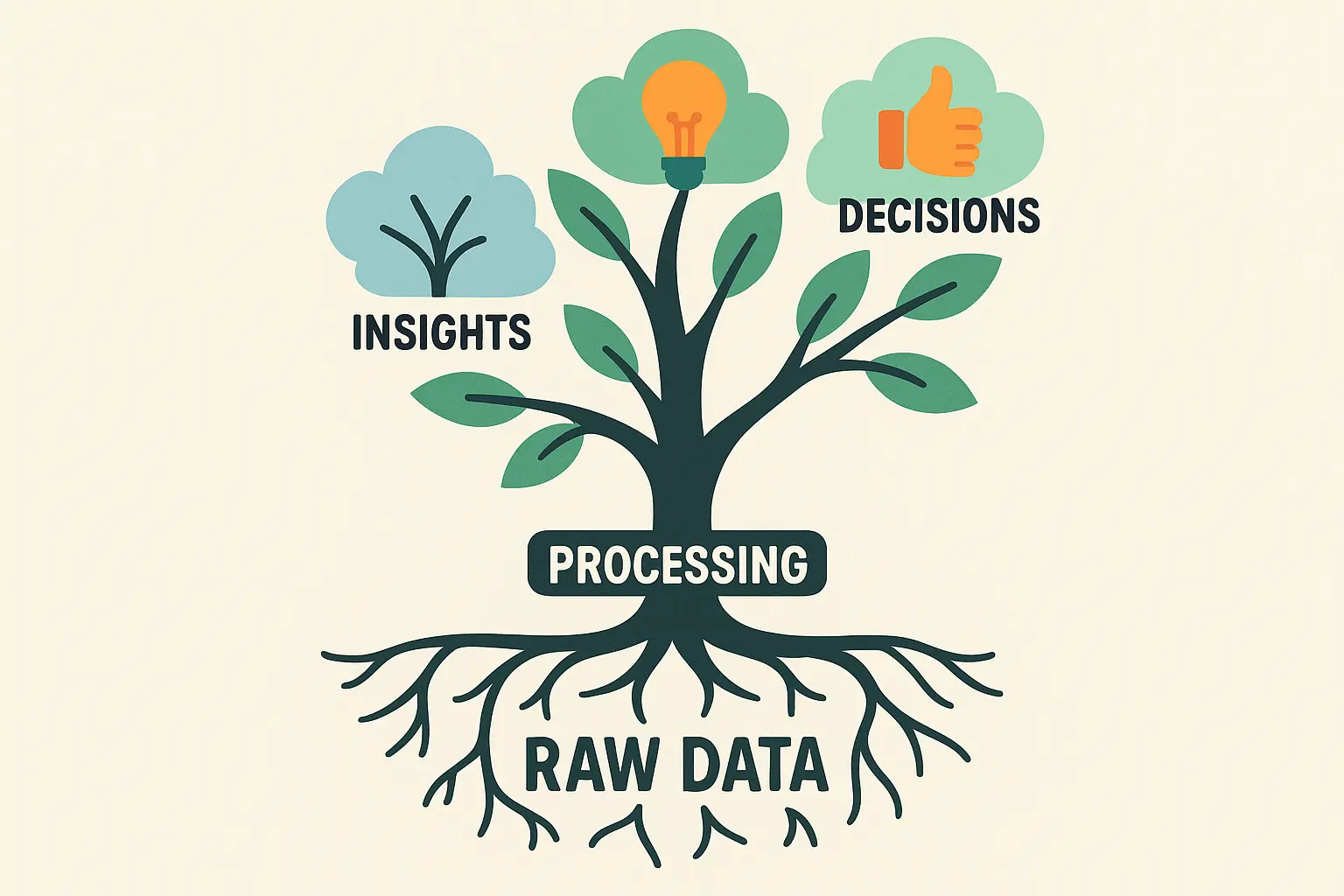
The Proactive Playbook: How to Influence AI Corrections
Once you’ve identified the sources of misinformation, you can move from defense to offense. The goal isn’t just to “fix” the AI Overview. It’s to build a digital presence for your client so strong, clear, and authoritative that the AI has no choice but to get it right.
Step 1: Solidify Your On-Site Entity Foundation
A brand’s own website should be its most powerful source of truth. An “entity” is how search engines understand a real-world thing—like a company, a person, or a product—and the relationships between them. Your first job is to make your client’s entity crystal clear.
- Clarify Core Pages: Rewrite the “About Us,” “Contact Us,” and homepage content to be unambiguous. State exactly who the company is, what it does, and what it’s known for. Remove old, conflicting information.
- Use Schema Markup: Think of Schema as a name tag for Google. Adding structured data to your client’s site (like Organization or Product schema) explicitly defines the brand entity, its official name, logo, and more. It removes the guesswork.
- Ensure Consistency: Check that the company name, address, and phone number (NAP) are identical across every page of the site, from the header to the footer.
Getting this right requires a deep understanding of your client’s digital presence, a core part of a comprehensive white-label SEO execution strategy.
Step 2: Clean Up the Off-Site Ecosystem
Your client’s brand story is also told across countless third-party websites. Inconsistent information here can severely undermine your on-site efforts. In fact, BrightLocal’s research shows that 87% of consumers use Google to evaluate local businesses, making the accuracy of off-site profiles critically important.
- Claim and Correct Core Profiles: Start with the most authoritative data sources: Google Business Profile, Wikidata, and major industry-specific directories. Ensure every detail aligns perfectly with the information on your client’s website.
- Conduct Outreach for Corrections: If you found incorrect information on third-party blogs, articles, or news sites, reach out to their editors. Politely explain the error, provide a link to the correct information on your client’s site, and request an update.
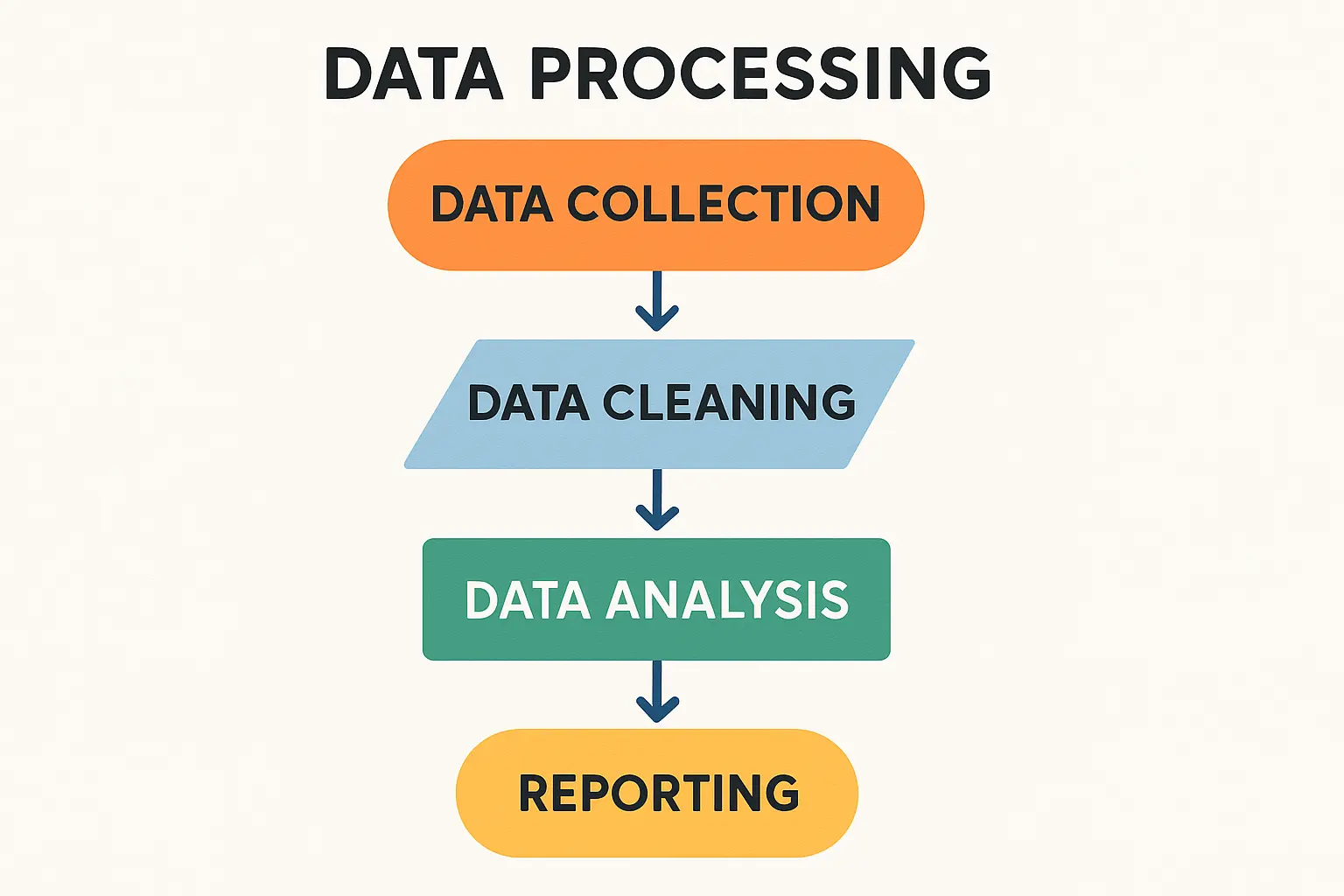
Step 3: Create and Amplify Correct Information
You can’t just erase bad information; you have to drown it out with good information. This means creating a strong, positive signal that reinforces the true brand narrative.
- Publish a Definitive Source: Write a comprehensive blog post, FAQ page, or resource on your client’s website that directly and clearly addresses the point of confusion. For example, create a “Brand X vs. Brand Y: Understanding the Difference” page. This becomes a primary source for the AI to reference.
- Amplify Through Digital PR: Promote this new, definitive content. A targeted digital PR campaign can land mentions and links from authoritative publications, building a powerful consensus across the web that validates your client’s story. This proactive approach fits perfectly within an AI-powered SEO automation workflow, where you can monitor brand mentions at scale to identify both problems and opportunities for amplification.

Beyond the Fix: Building a Brand That AI Can’t Misinterpret
Correcting a single error is a short-term win. The long-term goal is building a brand entity so strong and coherent that AI misinterpretations become nearly impossible. This is about building a digital moat around your client’s brand truth.
This virtuous cycle involves:
- A Consistent Content Strategy: Regularly publishing high-quality, expert-driven content is no longer just for rankings. In the AI era, it continuously reinforces who your client is and what they’re an authority on.
- Proactive Authority Building: Actively seek opportunities for your client to be featured on podcasts, in industry publications, and on reputable websites. Each authoritative mention strengthens the brand entity.
- Continuous Monitoring: Set up brand alerts to constantly monitor how your client is being discussed online. Catching small inaccuracies before they spread is far easier than correcting a narrative that has already been baked into an AI model.
Frequently Asked Questions About AI Overviews and Brand Reputation
-
Can I directly edit or ask Google to change an AI Overview?
No, you cannot directly edit an AI Overview. While there is a feedback mechanism, it’s not a reliable or scalable solution. The most effective strategy is to influence the AI by correcting the underlying source material it references. Fix the inputs to fix the output. -
How long does it take for a correction to appear in the AI Overview?
There’s no set timeline. It depends on how quickly Google crawls and re-indexes the corrected source pages. It could take anywhere from a few days to several weeks or more. The key is to create a consistent and overwhelming signal of correct information over time. -
Is this a one-time fix, or an ongoing process?
This is absolutely an ongoing process. The internet is constantly changing, and new content is published every second. Managing a brand’s digital entity and reputation is no longer a “set it and forget it” task. It requires continuous monitoring and maintenance as a core part of any modern SEO strategy. -
My client is a small local business. Does this still apply?
Yes, perhaps even more so. For a local business, an AI Overview that shows the wrong address, incorrect business hours, or misrepresents a key service can have an immediate and direct impact on foot traffic and revenue. The principles of on-site clarity and off-site consistency are vital for local success.
Your Agency’s New Role: The Guardian of Brand Truth
The rise of AI search is fundamentally changing the role of a marketing agency. We are no longer just drivers of traffic; we are the primary guardians of our clients’ digital identity. A misrepresentation in an AI Overview isn’t a technical glitch—it’s a direct threat to a brand’s reputation and credibility.
By adopting a systematic, detective-like approach, you can turn a moment of crisis into an opportunity to build a stronger, more resilient brand for your client. The solution isn’t to fight the AI, but to feed it information so clear, consistent, and authoritative that the truth becomes the only possible answer.
Mastering this new landscape requires a blend of sharp strategy and scalable execution. If you’re exploring how to add these capabilities for your clients, understanding the benefits of an omnichannel growth SEO partner can be a valuable next step in future-proofing your agency and the brands you serve.