

So… are we ranking number one yet?
If you work at an agency, you’ve heard this question a thousand times. For years, it was the yardstick of SEO success. But today, when a client asks this, it reveals a gap between how they think SEO works and how it actually drives business growth in the modern search landscape.
Clinging to rank tracking as your primary key performance indicator (KPI) is like trying to navigate a city with a map from 1995. The streets have changed. If you’re still reporting on rank alone, you’re not just using an outdated map—you’re missing the bigger picture of the value you deliver.
This isn’t an isolated frustration; it’s a widespread industry challenge. A staggering 74% of SEOs report that proving the ROI of their work is their biggest challenge. The reason is simple: traditional metrics no longer tell the whole story.
Welcome to the age of entity-based SEO, where success isn’t just about where you rank, but how well Google understands who you are.
The Big Shift: From Keyword ‘Strings’ to Connected ‘Things’
Why does rank tracking fall short? It starts with the biggest shift in search over the past decade: Google has evolved from a simple keyword-matching engine into a sophisticated understanding engine.
This is the shift from ‘strings to things.’
Strings (The Old Way):
Google saw a search query like ‘best coffee shop near me’ as a string of text. It would look for web pages that contained those exact or similar words and rank them based on factors like backlinks and keyword density.
Things (The New Way):
Google now understands that ‘coffee shop’ is an entity—a real-world thing with attributes like a physical address, opening hours, customer reviews, a menu, and relationships to other entities like its founder or parent company.
This understanding is powered by Google’s Knowledge Graph, a massive database of interconnected facts about people, places, and things. With entity-based SEO, your goal isn’t just to rank for a keyword; it’s to feed the Knowledge Graph with clear, consistent, and authoritative information about your client’s brand.
When Google truly understands your client’s entity, it rewards them with more than just a blue link—it grants them authority, trust, and valuable SERP real estate. It’s why Google’s own John Mueller has said, ‘Rankings are not a direct measure of traffic,’ urging us to look at the bigger picture.
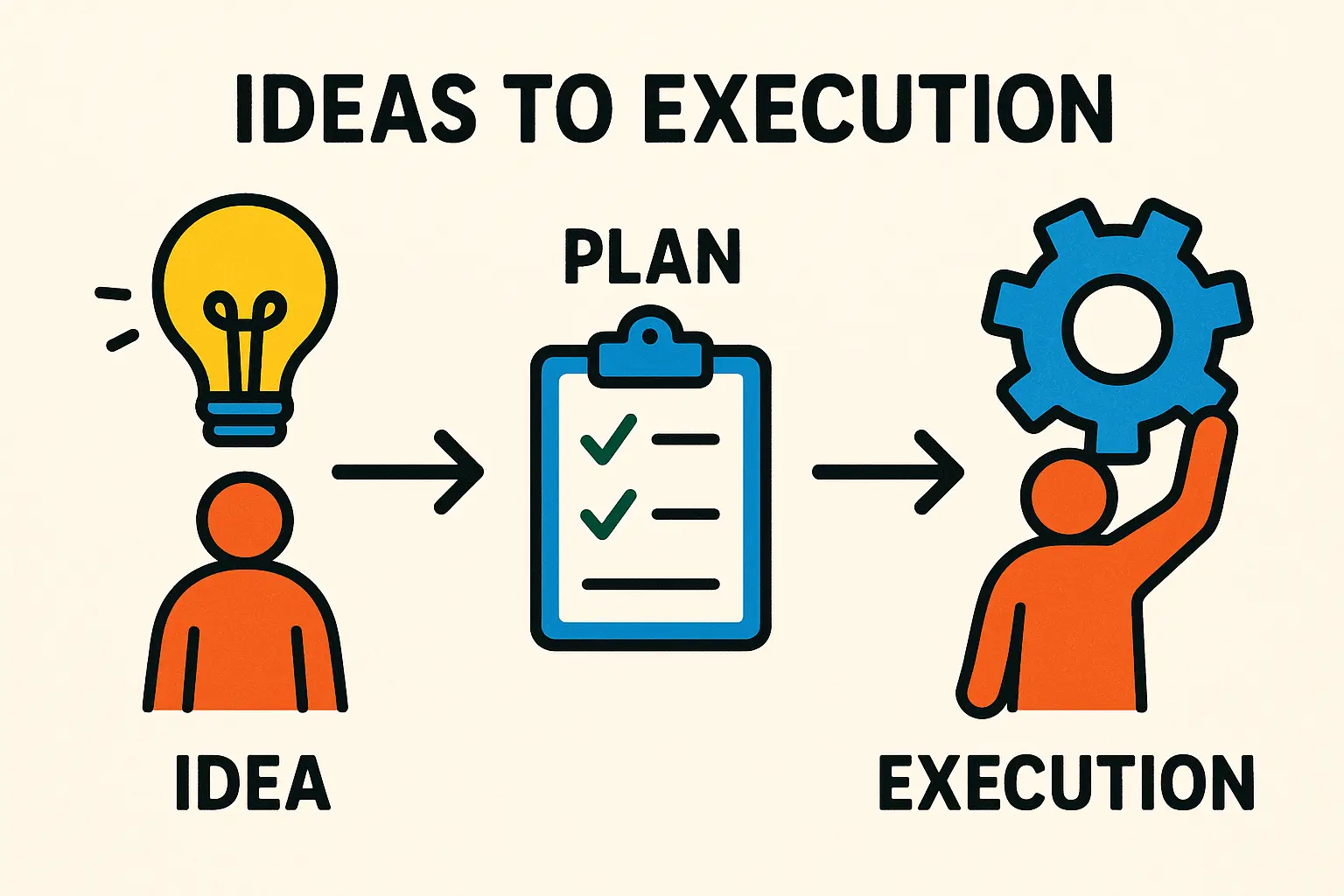
Why Your Rank Tracker Can’t Measure What Matters
Focusing solely on keyword position number one is a recipe for missed opportunities and difficult client conversations. Here’s a glimpse of what this outdated metric misses:
-
Personalized and Localized SERPs: The ‘number one ranking’ doesn’t really exist anymore. A user searching in downtown Chicago will see a different result than someone in the suburbs, even for the same query.
-
SERP Features: Today, success is about owning SERP real estate. Does your client appear in the Local Pack? Do they have a Knowledge Panel? Are their products in a shopping carousel? A rank tracker won’t tell you this.
-
Brand Authority and Trust: Entity SEO builds a moat of authority around your client’s brand. It’s about becoming the definitive, trusted answer—an asset that transcends any single keyword ranking.
If rankings aren’t the answer, what is? It’s time to adopt a new dashboard of KPIs that accurately reflects the impact of modern SEO.
The New Scorecard: KPIs for Entity-Based SEO Success
To confidently answer the ‘Is this working?’ question, you need to track metrics that show how Google perceives and presents your client’s brand. Here’s where to start.
1. Knowledge Panel Presence and Accuracy
The Knowledge Panel is the information box that appears on the right side of the search results for branded queries. Think of it as Google’s official summary of an entity. A Semrush study found that 25.6% of SERPs for commercial keywords feature a Knowledge Panel, which makes it a critical asset.
What to Measure:
- Presence: Does a Knowledge Panel exist for your client’s brand name? (Yes/No)
- Completeness: What percentage of key fields are filled out? (e.g., logo, address, hours, social profiles, reviews)
- Accuracy: Is all the information correct and consistent with other online sources?
Why It Matters: Owning a Knowledge Panel is like having a Google-endorsed billboard. It establishes immediate credibility and gives users direct access to key information, often leading to a phone call or a visit without them ever clicking on a website.
2. Branded SERP Domination
What happens when someone searches for your client’s brand name? The goal is to dominate the entire first page, leaving no room for competitors or negative information.
What to Measure:
- SERP Feature Ownership: How many of the top 10 results do you control? This includes your website’s sitelinks, social media profiles, review site listings (like Yelp or G2), and positive press.
- ‘People Also Ask’ Mentions: Do questions and answers related to your client’s brand appear in the PAA boxes? Can you influence them?
- Video and Image Carousel Presence: Are your client’s YouTube videos or branded images appearing in search results?
Why It Matters: A dominated branded SERP builds an impenetrable wall of trust, showing users (and Google) that your client is an established, authoritative entity in their space.
3. Local Visibility Footprint
For businesses with physical locations, entity SEO directly impacts their local presence. This is crucial, since 46% of all Google searches are for local information. A BrightLocal study also found that 87% of consumers use Google to evaluate local businesses, making your client’s digital storefront more important than ever.
What to Measure:
- Google Business Profile (GBP) Impressions: How often does the GBP listing appear in Search and on Maps? (Track both Search and Maps views).
- Local Pack Rankings: For key non-branded terms (e.g., ‘plumber in brooklyn’), does your client appear in the top 3 map results?
- Click-to-Call and Direction Requests: How many users are engaging directly with the GBP listing to call the business or get directions?
Why It Matters: These metrics connect SEO directly to foot traffic and phone calls—KPIs that every business owner understands and values. It shifts the conversation from ‘Where do we rank?’ to ‘How many new customers did we get?’
4. Sentiment and Co-occurrence Analysis
How does the web talk about your client? Entity SEO can influence the language and topics associated with a brand.
What to Measure:
- Sentiment Score: Using brand monitoring tools, track whether mentions of your client online are positive, negative, or neutral. Your goal is to increase the positive percentage over time.
- Topical Co-occurrence: What other entities and concepts are frequently mentioned alongside your client’s brand? Are you being associated with ‘innovative’ and ‘reliable,’ or ‘expensive’ and ‘poor service’?
Why It Matters: This is about shaping the brand narrative. By building authority and publishing valuable content, you can influence the digital conversation and position your client as a leader in their field. It’s online reputation management at its most proactive.
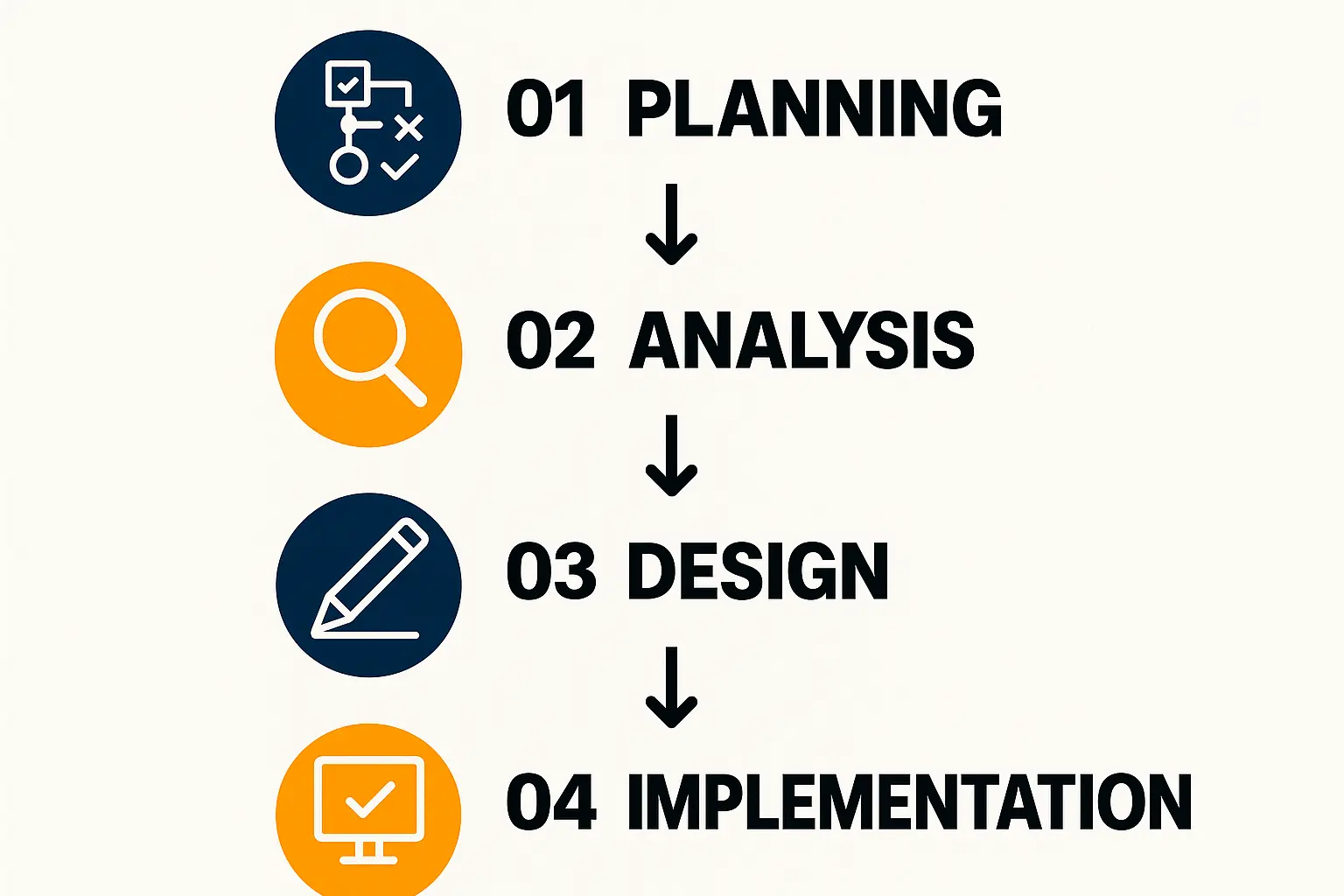
Reporting on What Truly Moves the Needle
By shifting your focus to these entity-based KPIs, you can change the entire conversation with your clients. You move from defending fluctuating rankings to demonstrating tangible growth in brand authority, trust, and ultimately, business outcomes.
Use these metrics to build custom SEO reports that tell a compelling story: how your work is building a lasting digital asset for their brand. It’s a move from short-term tactics to long-term strategy, cementing your role as a true growth partner whose SEO efforts support and are supported by every other marketing channel.
Frequently Asked Questions (FAQ)
What is an ‘entity’ in SEO?
An entity is any well-defined thing or concept that is unique, distinguishable, and verifiable. This can be a person, a place, an organization, a product, or even an idea. Google uses entities to understand the real world and the relationships between them.
Is keyword research still important with entity SEO?
Absolutely, but its role has evolved. Instead of just finding high-volume keywords, research is now about understanding user intent and identifying the topics and questions related to your core entities. Keywords are the language users use to find entities.
How long does it take to see results from entity-based SEO?
Entity SEO is a long-term strategy focused on building foundational brand authority. While quick wins like optimizing a Google Business Profile can show results in weeks, building a strong, authoritative entity in Google’s eyes can take several months. It’s about sustainable growth, not overnight tricks.
What tools can I use to track these new KPIs?
While no single tool does everything, you can build a powerful stack:
- For SERP Features & Knowledge Panels: Tools like Semrush or Ahrefs have features for tracking SERP feature presence.
- For Brand Sentiment: Tools like Brand24, Mention, or Awario can monitor brand mentions and analyze sentiment.
- For Local Visibility: Google Business Profile Insights is your primary source, supplemented by local rank tracking tools like BrightLocal or Local Falcon.
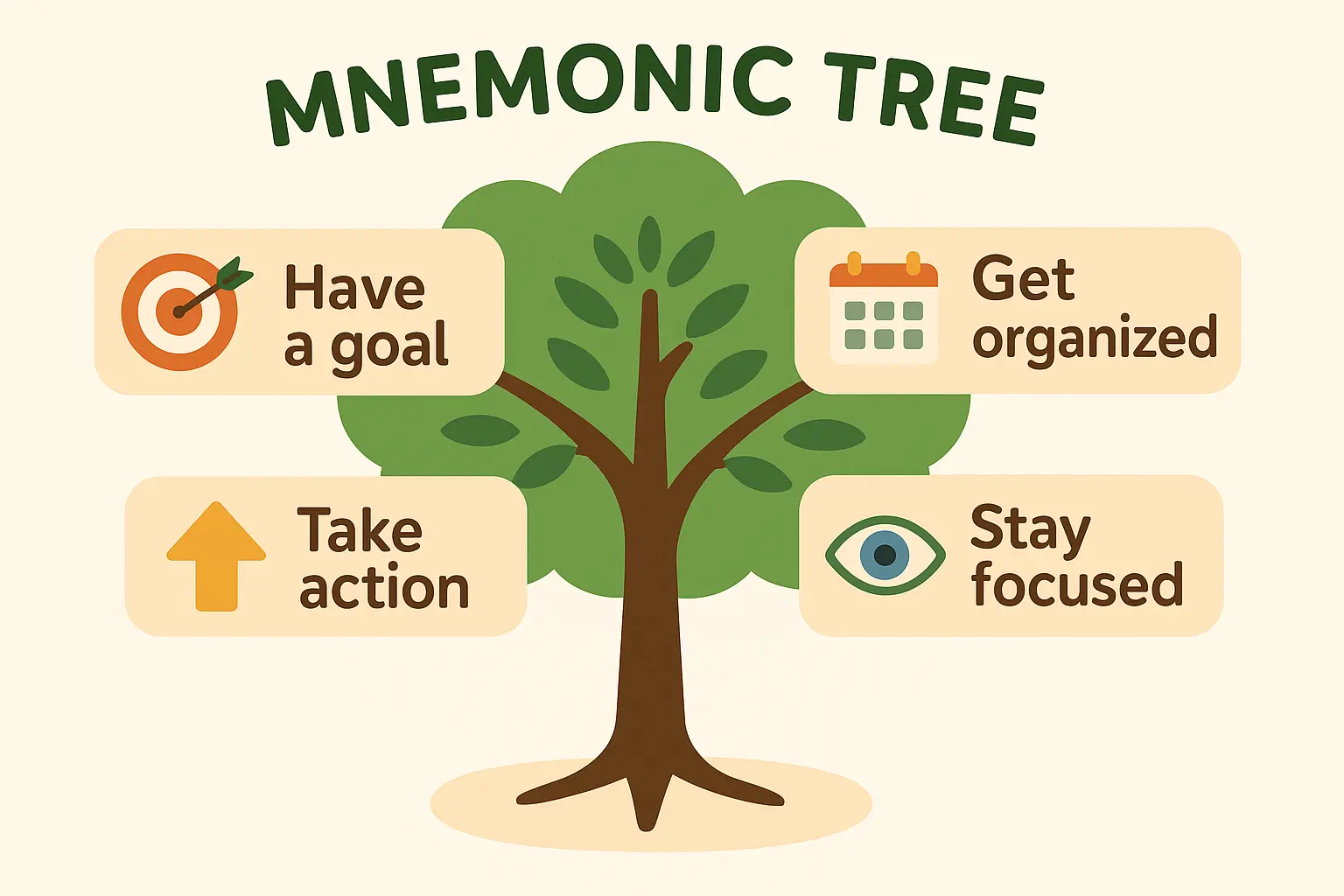
The Future is Understanding
The next time a client asks, ‘Is this working?’ you’ll be ready. Instead of pointing to a volatile ranking number, you can show them a dashboard illustrating their growing brand authority, their dominance of the search results page, and the rise in customer actions driven by their powerful digital presence.
You won’t just be reporting on SEO; you’ll be demonstrating how you’ve built a powerful, long-lasting business asset. And that’s a conversation every client wants to have.