

Your agency just landed a fantastic new B2B client. They have a complex, high-value product and the potential for a massive retainer. You get to work, crafting a brilliant, deeply researched blog post. You hit publish, the initial traffic is promising… and then, silence. No leads, no demo requests, just the quiet hum of the server.
If this scenario sounds familiar, you’ve encountered one of the biggest challenges in B2B marketing: the long sales cycle.
The reality is that B2B buyers consume an average of 13 content pieces before deciding on a vendor. Your one brilliant blog post was just the first hello in a conversation that needs to last for months. To win these high-value clients, you need to move beyond one-off content pieces and embrace a unified, multi-channel approach built for the marathon, not the sprint.
What Is the Unified Content Model?
Imagine you’re explaining a complex idea to a friend. You wouldn’t just send them a 3,000-word essay and walk away. You’d probably start with the core idea over coffee, text them an interesting article later, and maybe bring it up again when you see something that reminds you of it.
The Unified Content Model works the same way for your clients. It’s a strategy where you create a central, high-value piece of content—a “pillar”—and then adapt it across different channels to surround your target audience over time.
Instead of treating channels like SEO, LinkedIn, and paid ads as separate silos, this model connects them into a single, sustained conversation. The goal isn’t just to create more content; it’s to create a cohesive journey for the buyer.
The B2B Challenge: Why Standard Models Break Down
The path to purchase for a simple e-commerce product can be short. But for a B2B client selling enterprise software with a six-figure price tag, it’s a different universe.
The average B2B sales cycle is 6 to 12 months. During this time, you’re not talking to a single person; you’re trying to convince a buying committee. The CFO cares about ROI, the head of IT worries about integration, and the end-user just wants to know if it will make their job easier.
A single blog post can’t possibly address all these needs. Yet, just 36% of marketers have an integrated content strategy that connects their efforts across channels. This isn’t a failure; it’s a massive opportunity for agencies that can master the long game.
Adapting the Model: The 3-Channel Strategy for the Long Haul
To effectively nurture B2B leads over a long sales cycle, you need a coordinated effort across channels that captures intent, builds authority, and keeps you top-of-mind.
1. The SEO Foundation: Your Digital Library
Think of your client’s blog as a digital library, meticulously organized to answer every possible question a potential buyer might have. SEO is the foundation because it captures active interest. When a prospect types a question into Google, you’re there with the answer.
This matters because SEO-driven leads have a 14.6% close rate, dwarfing the 1.7% from outbound methods.
How to adapt it for B2B:
- Map to the Committee: Create content clusters for each member of the buying committee. A “CFO’s Guide to X” can live alongside a “Technical Deep-Dive on Y.”
- Cover the Full Funnel: Write top-of-funnel articles that answer broad questions, middle-funnel pieces that compare solutions, and bottom-funnel case studies that prove value.
- Build Authority, Not Just Rankings: A truly growth-focused SEO approach connects every piece of content back to a business objective. The result is a library that establishes your client as the undeniable expert in their field.

2. LinkedIn: The Professional’s Town Square
With 96% of B2B marketers using LinkedIn for organic social media, it’s the definitive platform for reaching decision-makers. It’s where your client’s brand comes to life, moving from a faceless entity to a collection of credible, expert voices.
How to adapt it for B2B:
- Atomize Your Pillar: Don’t just drop a link to your blog post. Pull out a compelling statistic and turn it into an infographic. Take a key concept and have the client’s CEO record a 60-second video explaining it. Start a poll based on the problem your content solves.
- Engage, Don’t Broadcast: Tag relevant companies or influencers in your posts. Join conversations in relevant groups. Use your content as a ticket to enter the discussions your buyers are already having.
- Align Personal and Company Brands: Encourage key employees to share the content from their personal profiles with their own insights. People trust people more than they trust logos.
3. Targeted Display Ads: The Ever-Present Nudge
Here, the magic of nurturing happens. In a B2B context, display ads aren’t for shouting at strangers; they’re for whispering reminders to interested prospects. The goal is retargeting—reaching people who have already engaged with your content.
Personalization is everything. Campaigns with personalized content see 42% higher conversion rates.
How to adapt it for B2B:
- Content-Aware Retargeting: If someone read a blog post about “Problem A,” your display ad shouldn’t be a generic brand ad. It should invite them to a webinar that offers the “Solution to Problem A.”
- Nurture Over Time: The B2B journey is long. Use ads to map your content to their stage of awareness. Early visitors might see top-of-funnel content, while those who have downloaded a guide could see an invitation for a demo.
Imagine a prospect reads your client’s SEO article on “Data Security for Financial Firms.” The next day on LinkedIn, they see a video from the client’s CTO discussing a key point from that article. A week later, a display ad invites them to download a comprehensive security checklist. Each touchpoint is relevant, timely, and builds on the last.
This coordinated approach transforms your content from a single touchpoint into an immersive educational experience.
The Agency Advantage: Scaling This Model
Executing a unified content strategy for even one B2B client is resource-intensive. Scaling it across multiple clients can seem impossible without a massive team. It requires strategic oversight, SEO expertise, social media savvy, and ad management skills.
This is where efficiency and leverage become your greatest assets. For agencies looking to deliver these strategies, the key is to focus on client relationships and high-level strategy while streamlining execution. Many growing agencies find success by partnering with white-label services to handle the technical execution behind the scenes. This allows you to offer a powerful, integrated service under your brand without the overhead of building an in-house department from scratch.
Implementing AI-powered automation for tasks like content briefing, competitor analysis, and reporting can also free up your team to focus on the human elements of strategy and creativity that win and retain high-value clients.
Frequently Asked Questions (FAQ)
How do you measure success for a long sales cycle?
Focus on leading indicators rather than immediate sales. Track metrics like newsletter sign-ups, gated content downloads (e.g., whitepapers), webinar registrations, and demo requests. These are milestones on the long road to a closed deal.
Isn’t this model really expensive to run?
It’s an investment, but the unified model is more efficient than you might think. By starting with one in-depth pillar piece, you can repurpose it into dozens of smaller assets, saving significant time compared to creating new content for every channel.
How often should we be publishing content?
Consistency is more important than frequency. For complex B2B, a single, high-value, deeply researched pillar piece shared strategically across all channels for a month is far more effective than four shallow blog posts that disappear after a day.
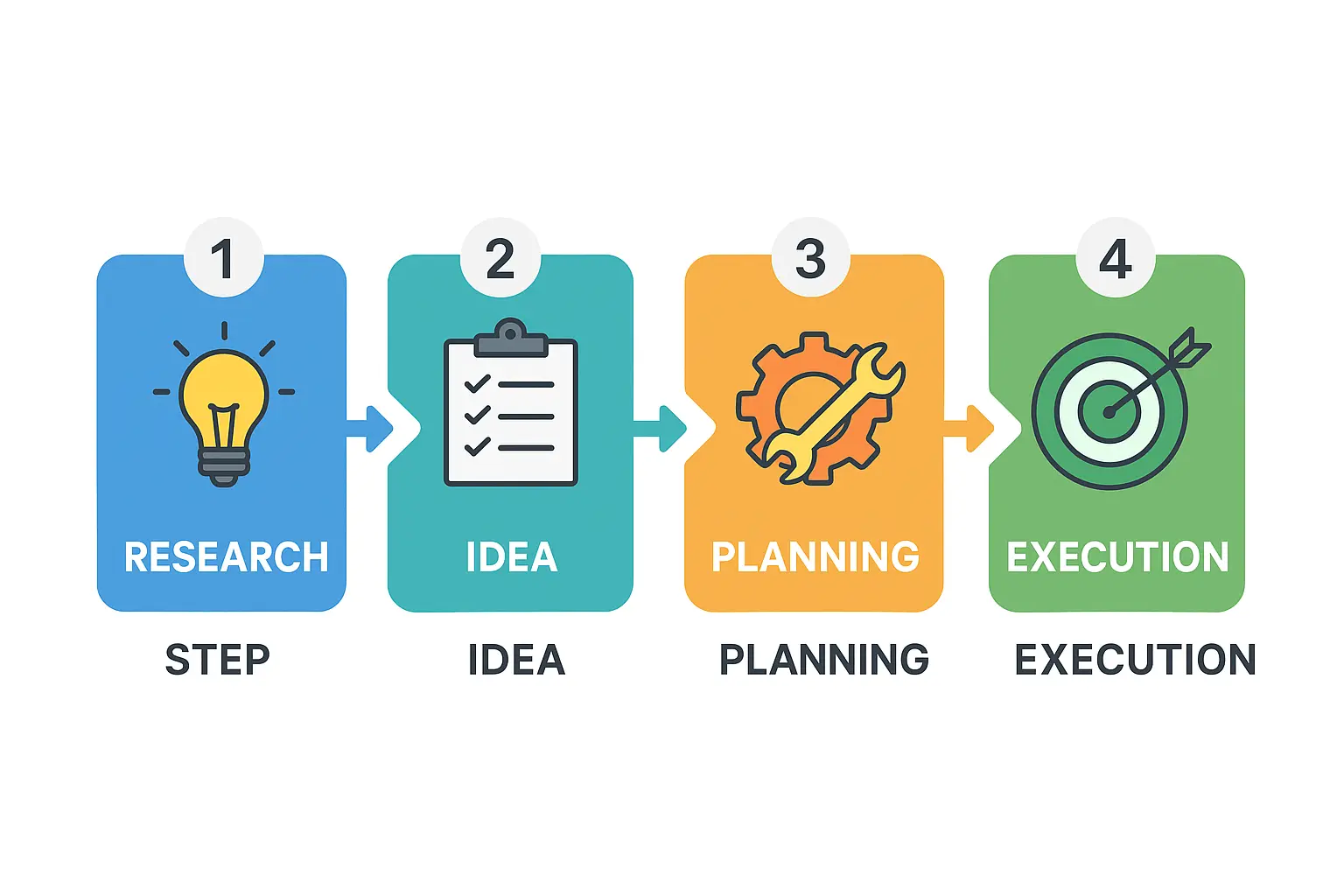
What’s the first step to implementing this?
Start with deep customer research. Before you write a single word, interview your client’s sales team and, if possible, their best customers. Understand the buyer’s journey, their biggest pain points, and the questions they ask at every stage. Your entire content strategy must be built on that foundation.
Your Next Step: From Theory to Practice
For high-value B2B clients, content is not a one-time event; it’s a sustained, multi-channel conversation. By adopting a unified model, you shift from being a content creator to a journey architect, guiding prospects from initial awareness to a confident purchasing decision.
Don’t feel like you have to do it all at once. Start small. This week, take one of your client’s best-performing blog posts and ask a simple question: “How can we repurpose this for LinkedIn and a simple retargeting campaign?”
Mapping out that first journey is the first step toward building a truly powerful, lead-nurturing engine that will set your agency—and your clients—apart.