

You know the feeling. The client sends a link to a shared drive labeled “Marketing Assets.” You click, hoping for organized, campaign-ready gold.
Instead, you find a jumble of files: a six-year-old case study in PDF format, a handful of low-res event photos, a PowerPoint deck from a forgotten conference, and a product one-pager with no clear call to action.
Your first thought? “How am I supposed to build a campaign with this?”
It’s a frustration every agency knows well. But what if that folder of mismatched files isn’t a dead end? What if it’s a goldmine waiting to be discovered?
That’s where the Content Upcycling Framework comes in. It’s a strategic process for taking raw, underutilized, or outdated client assets and transforming them into high-performing fuel for a modern omnichannel campaign. It’s not about merely reposting old content; it’s about strategically enriching and reformatting it to meet today’s marketing demands.
The Problem with “Ready-Made” Content
Most agencies find themselves in a difficult position. Clients expect results, but the assets they provide often miss the mark. This isn’t a niche issue—it’s a systemic one. According to the Content Marketing Institute, a staggering 70% of marketers lack a consistent or integrated content strategy. That inconsistency is what lands in your inbox.
Client-provided content often suffers from a few common ailments:
-
Siloed Creation: The webinar deck was created by sales, the blog post by an intern, and the technical whitepaper by engineering—with none of them ever speaking to each other.
-
Format Lock-in: A brilliant insight is trapped inside a 40-page PDF that almost no one will read.
-
Lacking SEO Intent: The content was created to explain a feature, not to rank for a keyword or answer a user’s search query.
-
Outdated Information: The data is from three years ago, and the messaging no longer reflects the brand’s current positioning.
The result is a campaign that feels disjointed and underperforms, leaving both you and your client wondering why the results aren’t there. But the solution isn’t to demand better content—it’s to build a system that creates it from the assets you already have.
The Framework: From Raw Materials to Campaign Rocket Fuel
Content upcycling is a three-phase process for auditing, enriching, and redeploying client assets with purpose and precision. Think of yourself as an artisan, taking raw lumber and turning it into fine furniture.
Phase 1: The Asset Audit & Inventory
Before you can build anything, you need to know what materials you have. A thorough content audit is the foundation of the entire framework. Semrush research shows that 65% of companies with successful content marketing conduct content audits more than once a year.
Your goal is to sift through the client’s existing assets—blogs, whitepapers, videos, slide decks, sales sheets, testimonials—and identify the “golden nuggets.”
What to look for:
-
Evergreen Concepts: Core ideas, explainers, or foundational principles that are still relevant.
-
Proprietary Data: Original research, survey results, or internal statistics.
-
Compelling Quotes & Testimonials: Powerful words from customers or internal experts.
-
Visual Elements: Diagrams, charts, or illustrations that can be deconstructed and reused.
-
Untapped Narratives: Customer success stories hidden in a sales deck or a powerful company origin story on an “About Us” page.
Organize these findings in a simple spreadsheet. Categorize each asset by topic, target audience, and its potential place in the marketing funnel (awareness, consideration, decision). This inventory becomes your strategic map.
Phase 2: Strategic Enrichment
This is where upcycling really differs from simple “repurposing.” You’re not just changing the format; you’re adding new value to the core asset. The goal is to elevate the original material into a “pillar” piece that can anchor an entire campaign.
Enrichment tactics include:
-
SEO Alignment: Conduct keyword research to find what your audience is searching for. Weave these keywords and related concepts into the content to align it with search intent.
-
Adding Fresh Data: Update old statistics with new research. Find recent reports or expert commentary to add credibility and timeliness.
-
Weaving in Expert Voices: Interview one of the client’s internal subject matter experts to add fresh quotes and deeper insights.
-
Modernizing the Narrative: Reframe the content to address current market trends and customer pain points.
An AI-assisted content workflow can be a game-changer at this stage, helping you quickly identify SEO gaps, summarize long-form content, and generate ideas for new angles.
Phase 3: Omnichannel Reformation
With your enriched pillar asset ready, it’s time to strategically break it down and reformat it for different channels. This is how you create the campaign consistency that was missing before. While a customer might not read a 2,000-word blog post, Forrester research reveals they will consume an average of 11.4 pieces of content before making a purchase. Your job is to make sure those pieces are all telling the same, powerful story.
This is where the magic happens. One upcycled asset can fuel an entire month’s content calendar.
Here’s how it works in practice:
An old Webinar Deck becomes:
- A comprehensive blog post covering the key topics.
- A LinkedIn carousel highlighting the 5 key takeaways.
- A series of quote graphics for Twitter and Instagram.
- A script for a 3-minute summary video for YouTube.
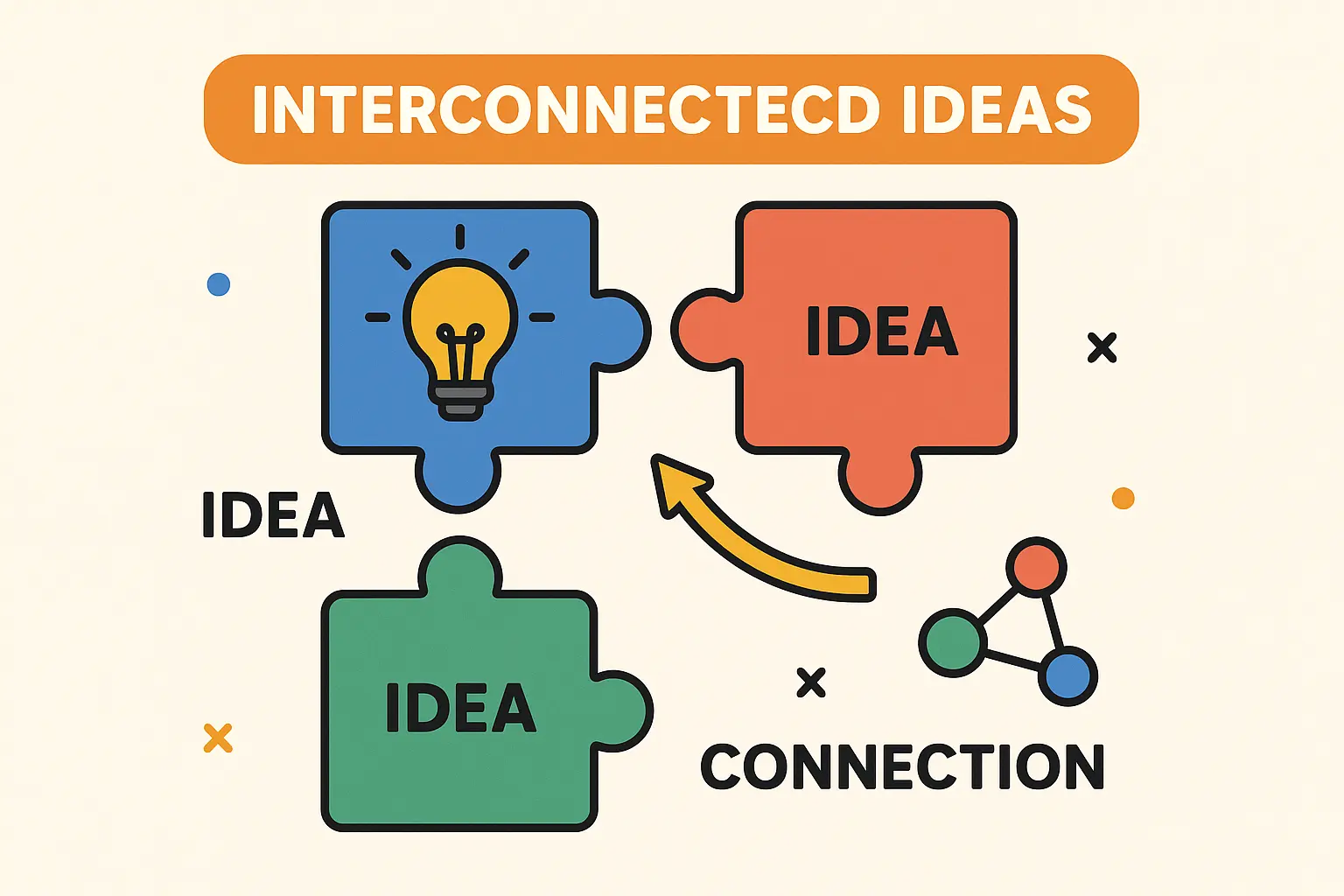
A text-heavy Case Study becomes:
- An infographic visualizing the results.
- A video testimonial featuring the client.
- A targeted email newsletter for prospects in a similar industry.
- Ad copy focusing on the impressive ROI numbers.
By executing this kind of omnichannel growth SEO, you ensure that no matter where a potential customer encounters the brand, they are met with a consistent and valuable message derived from a single, authoritative source.
The Agency Advantage: From Order-Taker to Strategic Partner
Adopting the Content Upcycling Framework does more than just solve a content headache. It fundamentally changes your relationship with your clients.
-
It Demonstrates Proactive Value: Instead of waiting for perfect assets, you create them. You become the engine of the marketing strategy, not just the executor of a task list.
-
It Boosts Efficiency and ROI: This process is incredibly cost-effective. Demand Metric notes that content marketing costs 62% less than traditional marketing and generates three times as many leads. By upcycling, you maximize the value of every asset the client has ever produced.
-
It Creates Stickier Relationships: By weaving together a cohesive, omnichannel narrative that drives real results, you become an indispensable part of your client’s growth.
The challenge, of course, is scale. Applying this framework for one client is manageable, but scaling it across ten, twenty, or fifty clients requires a powerful system, streamlined workflows, and a team that can execute flawlessly. For many agencies, this is the point where they consider bringing in a white-label SEO partner to handle the operational heavy lifting, freeing them up to focus on strategy and client relationships.

Frequently Asked Questions (FAQ)
Q1: What’s the difference between content upcycling and content repurposing?
While often used interchangeably, there’s a key distinction. Repurposing is primarily about changing the format (e.g., turning a blog post into a video). Upcycling includes a critical “enrichment” phase where you actively improve the original asset by adding new data, SEO alignment, and expert insights before reformatting it.
Q2: How do I convince a client to invest in upcycling their old content?
Frame it as maximizing their original investment. They’ve already spent time and money creating these assets. Instead of letting them collect dust, you have a plan to modernize them and generate a new wave of ROI. Show them a small-scale example—upcycle one blog post into a LinkedIn carousel and track the engagement. The results will speak for themselves.
Q3: What are the best types of assets to start upcycling?
Look for “pillar” content—assets that are comprehensive, data-rich, and address a core customer problem. Whitepapers, research reports, in-depth webinars, and long-form case studies are perfect candidates because they contain so many “golden nuggets” you can extract and reformat.
Q4: How does content upcycling directly impact SEO?
The impact on SEO is significant. First, the enrichment phase allows you to optimize a core asset for valuable keywords. Second, by creating multiple content formats (blog, video, infographic) around the same topic, you build topical authority, signaling to Google that your client is an expert in that area. Finally, it creates natural opportunities for internal linking between all the new assets, which strengthens your site architecture.
Your Next Move: Stop Asking for Content, Start Creating It
The shared drive of mismatched client assets is not a problem to be solved; it’s an opportunity to be seized. By implementing the Content Upcycling Framework, you shift from being a reactive service provider to a proactive growth partner. You stop waiting for the perfect content and start building it yourself, creating cohesive, high-performing campaigns that drive measurable results.
The first step is to look at your clients’ existing content not for what it is, but for what it could be. That change in perspective is the key to unlocking your next level of agency growth.